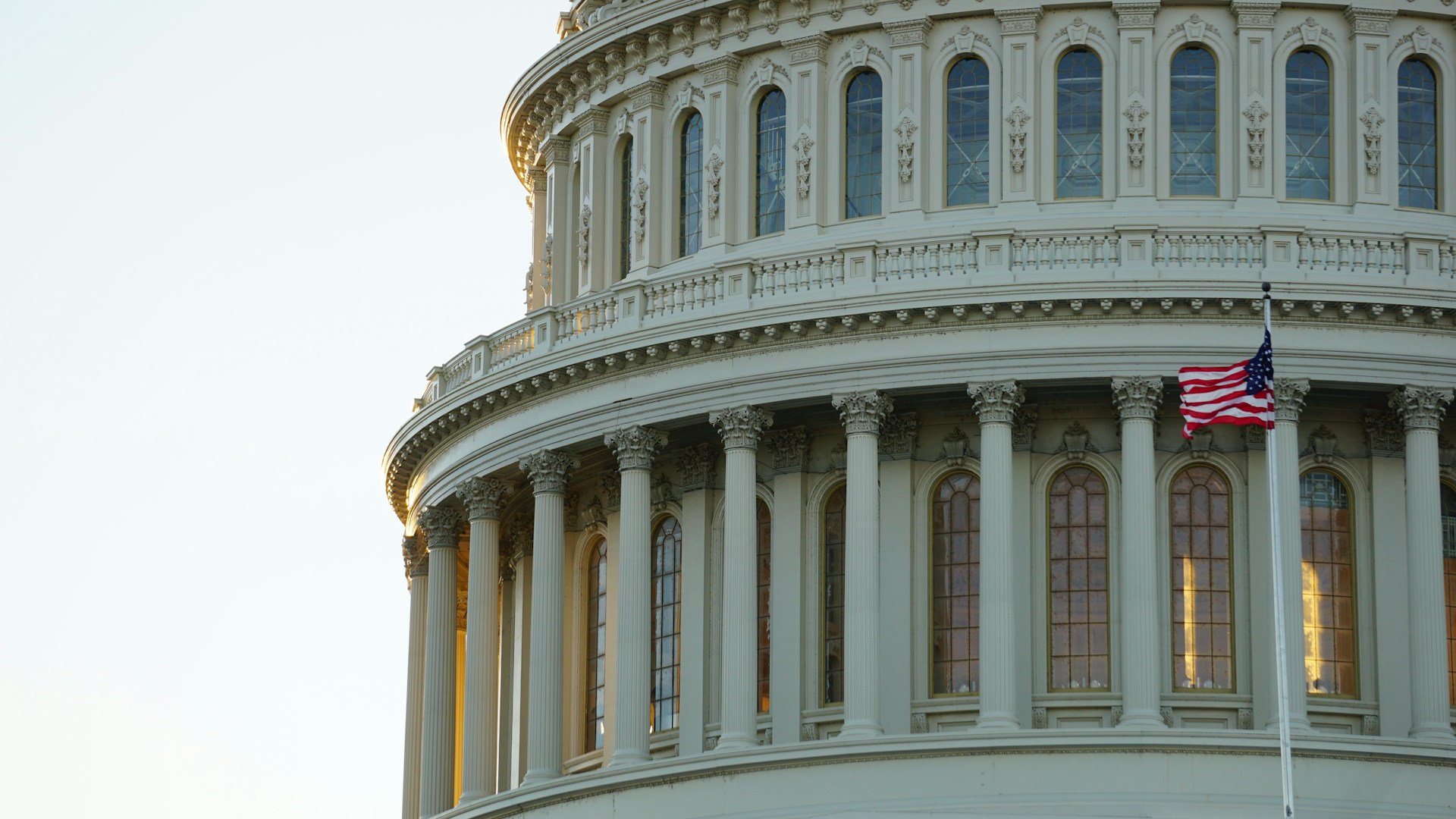
Here’s what one top Democrat said.
A top House Democrat is warning that President Donald Trump’s latest appointment could put America’s national security at risk, setting off a growing battle in Washington just days before a critical surveillance program is set to expire.
Connecticut Democrat Jim Himes, the top Democratic member of the House Intelligence Committee, took aim at President Trump’s decision to place FHFA Director Bill Pulte in the temporary role of director of national intelligence.
Himes called the move one of the most dangerous personnel decisions of Trump’s presidency and questioned whether Pulte has the experience needed to oversee the nation’s intelligence operations.
Speaking on CBS News’ “Face the Nation,” Himes argued that America’s intelligence agencies should be led by experienced national security professionals rather than political allies.
“The president needs to rethink this decision,” Himes said during the interview.
National Security Fight Intensifies
The controversy comes at a critical moment for U.S. intelligence operations.
Congress is currently debating whether to renew Section 702 of the Foreign Intelligence Surveillance Act (FISA), one of the federal government’s most important tools for tracking foreign threats, gathering intelligence, and helping prevent terrorist attacks.
The authority is scheduled to expire on June 12 unless lawmakers reach an agreement.
Himes warned that opposition to Pulte’s appointment is making it harder to build support for extending the surveillance program.
According to the Connecticut Democrat, many lawmakers who were already uneasy about government surveillance are now even more reluctant to support renewal efforts.
Critics have long argued that FISA raises privacy concerns and could be vulnerable to misuse. Supporters say it remains essential for protecting the United States from terrorism, cyber threats, foreign adversaries, and other national security dangers.
Bipartisan Concerns Emerge
The backlash is not limited to Democrats.
Several Republican senators joined Democrats in blocking a recent effort to begin Senate debate on extending the surveillance authorities.
The move highlighted growing concerns inside Congress about both the future of the intelligence program and the controversy surrounding Pulte’s appointment.
Himes claimed that support among House Democrats has dropped significantly in recent days as lawmakers weigh the implications of putting new leadership in charge of the intelligence community.
Trump Defends His Decision
President Trump has stood by the appointment and praised Pulte’s leadership abilities.
The president has repeatedly argued that federal agencies have become bloated and in need of reform. He has also suggested that portions of the intelligence bureaucracy should be reduced in size.
In an interview with The Wall Street Journal, Trump said he believes many positions within the intelligence community are unnecessary and that changes are needed to improve efficiency and accountability.
Trump has also emphasized that Pulte’s role is temporary rather than permanent.
What Power Would Pulte Have?
If confirmed to serve in the acting role, Pulte would oversee the Office of the Director of National Intelligence, which coordinates the activities of 18 separate U.S. intelligence agencies.
However, legal experts note that the acting director does not automatically have unlimited authority over organizations such as the CIA, NSA, FBI intelligence divisions, and other federal intelligence agencies.
Questions remain about what changes Pulte could realistically make during his tenure.
Federal law limits his service as acting director to 210 days.
Why This Matters
The fight over Pulte’s appointment is about more than one position.
It has become part of a larger debate over national security, government oversight, intelligence gathering, privacy rights, and the future direction of federal agencies under the Trump administration.
With the FISA deadline rapidly approaching, lawmakers face increasing pressure to reach a decision that could impact how the United States monitors foreign threats for years to come.
Whether Congress renews the surveillance authority or allows it to expire, the debate surrounding Trump’s appointment is likely to remain a major political and national security story in the weeks ahead.