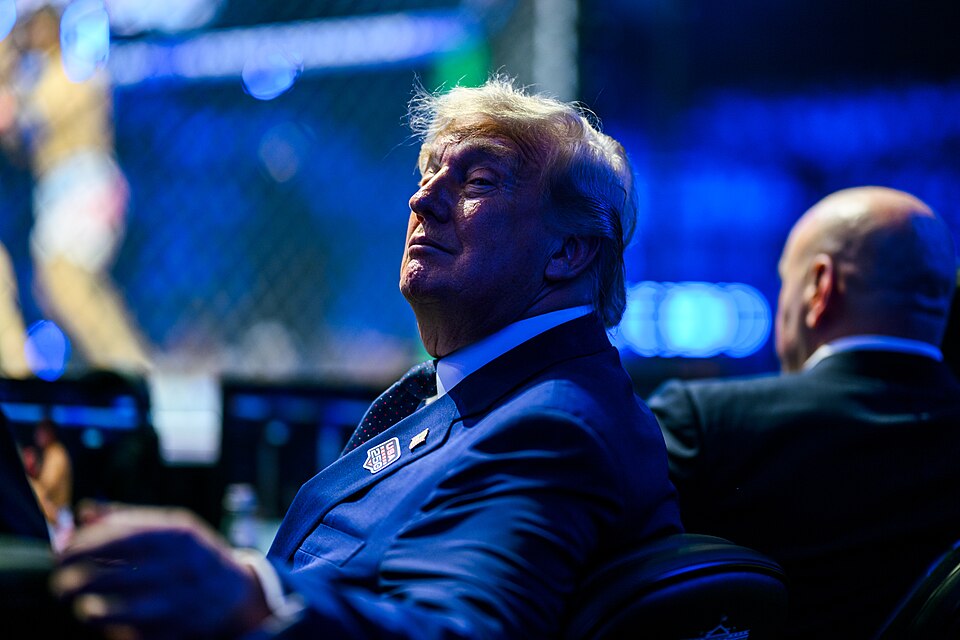
Trump has officially sounded the alarm.
Americans could be facing a serious energy crisis if one of the world’s most important oil shipping routes remains disrupted, according to President Donald Trump.
Speaking Wednesday during the G7 summit in France, Trump warned that global oil reserves could be depleted within weeks if the Strait of Hormuz remains closed and energy shipments continue to be interrupted.
His comments come as rising gas prices, inflation concerns, and growing instability in the Middle East continue to worry millions of Americans—especially retirees and families living on fixed incomes.
Trump Issues Stark Warning About Oil Reserves
During remarks discussing the newly announced agreement with Iran, Trump painted a troubling picture of what could happen if oil shipments are blocked for an extended period.
“We run out of reserves at about four weeks,” Trump said.
The president warned that the consequences could be severe if global energy supplies become unavailable.
“There’ll be a time when you wouldn’t be able to get it,” Trump added.
Trump described the potential outcome as “bedlam,” signaling his concern about what a prolonged disruption could mean for both the U.S. economy and consumers worldwide.
Why the Strait of Hormuz Is So Important
Many Americans may not realize how critical the Strait of Hormuz is to everyday life.
The narrow waterway sits between the Persian Gulf and the Gulf of Oman and serves as one of the most important oil transit routes on Earth.
Before the recent conflict, nearly 20% of all global oil consumption moved through the Strait of Hormuz.
That means any disruption can quickly impact:
- Gas prices
- Home heating costs
- Transportation expenses
- Manufacturing costs
- Inflation rates
- Retirement budgets
For seniors and middle-class families, those higher costs can add up quickly.
Trump Says Agreement Helps Prevent Economic Chaos
Trump defended the agreement with Iran by arguing that it keeps critical shipping lanes open.
“What this does is it allows the ships to go,” Trump said.
“If we keep bombing, those ships won’t be going.”
The White House later declined to clarify whether Trump was referring specifically to American oil reserves or global energy inventories.
Regardless, energy markets continue to closely monitor developments in the region.
Energy Experts Sound Similar Alarm
Trump is not the only one expressing concern.
The International Energy Agency (IEA) has repeatedly warned that emergency oil stockpiles are being depleted faster than many people realize.
Last month, IEA Executive Director Fatih Birol warned that reserve releases have helped stabilize markets but cannot continue forever.
“These reserves are not endless,” Birol said.
The agency has also warned that global oil demand may exceed available supply this year, creating additional pressure on prices.
America’s Emergency Oil Reserve Keeps Falling
The United States has already tapped heavily into its Strategic Petroleum Reserve.
The Trump administration previously announced plans to release 172 million barrels from the reserve as part of a broader effort to stabilize energy markets.
Combined with releases from allied nations, roughly 400 million barrels were added to global supplies.
At the time, America’s emergency reserve contained approximately 415 million barrels.
New government data released this week shows the reserve has now fallen to roughly 340 million barrels—the lowest level recorded since 1983.
That decline has raised questions about how prepared the United States would be if another major energy emergency occurs.
Gas Prices Could Rise Again
The closure of the Strait of Hormuz has already contributed to higher oil prices in recent months.
As crude oil prices climb, drivers often feel the effects almost immediately at the pump.
Higher fuel costs also ripple through the economy by increasing transportation expenses, shipping costs, food prices, and overall inflation.
For retirees, seniors, and Americans living on fixed incomes, those rising costs can be especially painful.
What Happens Next?
Energy markets remain focused on one key question: Will the Strait of Hormuz remain open?
If shipping traffic continues moving normally, global oil supplies may stabilize.
If disruptions worsen, however, analysts warn that Americans could face another wave of higher gas prices, increased inflation, and economic uncertainty.
Trump’s warning reflects growing concern that the world remains vulnerable to a major energy shock if tensions in the Middle East escalate further.