Here’s what was said.
The Trump administration is pushing back against claims that Immigration and Customs Enforcement agents are preparing to conduct widespread immigration raids at polling locations during the November midterm elections.
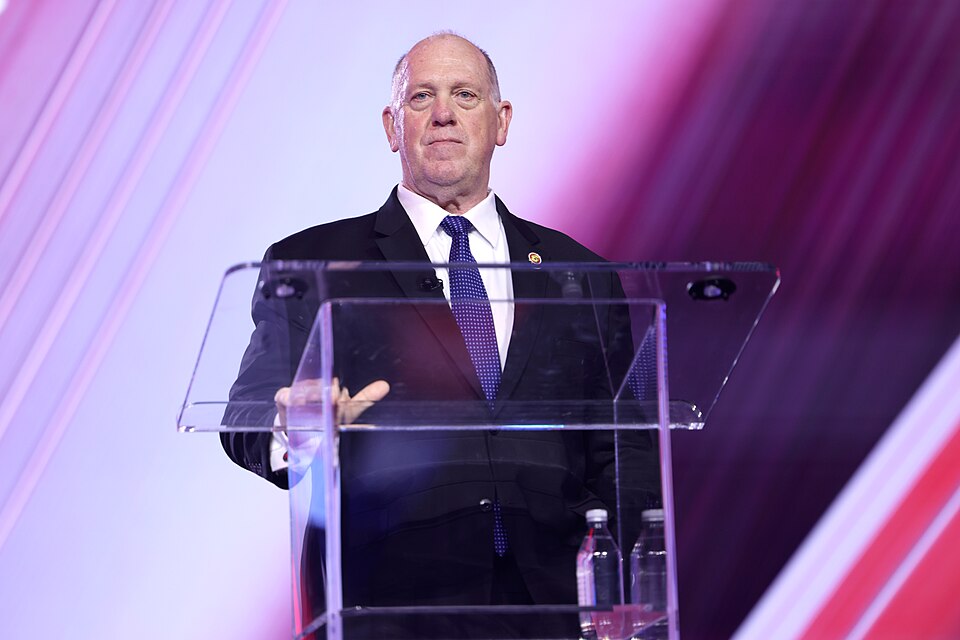
White House border czar Tom Homan says there is no plan for ICE agents to sweep polling places on Election Day, offering one of the administration’s clearest responses yet to concerns surrounding federal immigration enforcement and voting locations.
The issue has become increasingly contentious as the midterms approach, with voting-rights organizations and Democratic officials raising concerns about the possibility of armed immigration officers appearing near voters.
Administration officials, however, say those concerns do not accurately describe their plans.
Homan Reveals ICE Plans For Election Day
During an appearance Sunday on Fox News’ The Sunday Briefing, Homan was asked directly whether reports that ICE could raid polling locations were true.
Homan said he had not seen any operational plans or discussions involving immigration enforcement operations at polling places.
He characterized suggestions of widespread Election Day ICE raids as an effort to create fear and criticize both the agency and President Donald Trump’s administration.
According to Homan, ICE is not preparing to station agents at voting locations to conduct broad enforcement operations against people arriving to cast ballots.
That distinction is important as voters attempt to determine what federal authorities are actually planning for Election Day.
Could ICE Ever Appear At A Polling Location?
While Homan rejected the idea of widespread polling-place enforcement, administration officials have not said ICE agents would be prohibited from appearing at a voting location under every possible circumstance.
Homeland Security Secretary Markwayne Mullin previously said agents could become involved if authorities were responding to a specific threat or pursuing someone subject to a warrant.
That means there is an important difference between ICE conducting a planned immigration sweep at polling locations and federal officers responding to a particular law-enforcement situation.
The administration says the first scenario is not planned.
The possibility of targeted action under specific circumstances has not been completely ruled out.
Lawsuit Challenges Possible ICE Presence At Polls
The administration’s assurances have not ended the legal fight.
The city of Denver joined Latino civil-rights and voting-rights organizations in a lawsuit seeking to prevent ICE from conducting enforcement activity at polling locations.
Plaintiffs include the League of United Latin American Citizens, Common Cause and UnidosUS.
They argue that the possibility of armed federal immigration officers appearing at voting sites could make some eligible voters afraid to cast their ballots.
Their lawsuit points to federal laws restricting certain uses of armed federal personnel around polling locations. The plaintiffs contend those protections are important for ensuring voters can participate without intimidation.
The lawsuit represents one side of a broader national dispute over immigration enforcement, federal authority and election security.
Homan Pushes Back On Sensitive-Location Claims
Homan also addressed concerns about ICE operations at locations such as schools, hospitals and houses of worship.
He argued that people who present criminal or national-security concerns should not automatically be shielded from immigration enforcement simply because they enter a location traditionally considered sensitive.
At the same time, Homan maintained that ICE has not been routinely conducting enforcement operations at polling locations.
The broader debate over so-called sensitive locations has intensified as the Trump administration pursues its immigration enforcement agenda.
Supporters of stronger enforcement argue federal authorities need the ability to apprehend individuals who are legally subject to removal or wanted for criminal offenses.
Critics argue enforcement actions in sensitive locations can create fear among immigrants and their families, including people who are legally present in the United States.
DOJ Will Have Personnel At Some Voting Locations
Another important distinction involves the Department of Justice.
Federal election monitors are expected to be deployed to certain voting locations during the 2026 election cycle, but those personnel serve a fundamentally different purpose from ICE officers.
The Justice Department’s Civil Rights Division has historically monitored elections to evaluate compliance with federal voting-rights laws.
Election monitoring can involve Justice Department attorneys and other personnel observing voting procedures and responding to potential violations of federal law.
Their presence should therefore not be confused with immigration enforcement.
For voters hearing reports about “federal agents” or “federal personnel” at polling locations, understanding that distinction could be particularly important.
Immigration And Election Security Collide
The controversy comes as immigration and election security remain two major issues in Washington.
Trump and Republican lawmakers have continued advocating stricter election safeguards, including voter identification requirements and changes involving mail-in ballots.
Democrats and voting-rights organizations have challenged several Republican-backed proposals, arguing some could unnecessarily make voting more difficult for eligible Americans.
Republicans counter that stronger safeguards are necessary to protect confidence in election results and ensure election laws are properly enforced.
Those disagreements are now intersecting with the administration’s broader immigration crackdown.
What ICE Is Actually Planning For Election Day
Despite increasingly heated rhetoric surrounding the issue, Homan’s statement provides a relatively straightforward answer about the administration’s current position.
There is no announced plan for ICE to conduct widespread immigration raids or sweeps at polling locations during the November midterm elections.
Administration officials have nevertheless preserved the ability of federal law enforcement to respond to specific threats or warrants when circumstances require it.
That is substantially different from assigning ICE agents to patrol polling locations looking for immigration violations.
The distinction could become increasingly important as Election Day approaches and political arguments surrounding immigration and election security intensify.
For voters concerned about what they could encounter when they arrive to cast a ballot, the administration’s public position is clear: ICE is not currently planning broad enforcement operations at polling places.
Whether the ongoing lawsuit results in additional legal restrictions on federal immigration authorities remains another question—and one that courts could ultimately have to resolve before voters head to the polls in November.