What’s with all of these questions?
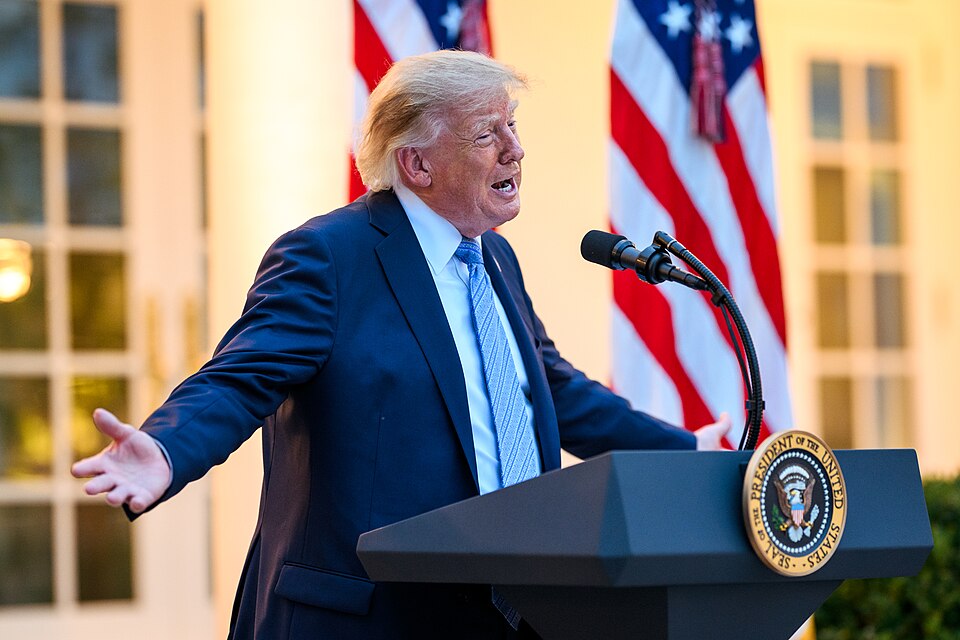
President Donald Trump sharply criticized TIME magazine during a lengthy White House interview after accusing its journalists of focusing almost entirely on negative subjects.
The exchange became heated when Trump complained that the reporters had not asked what he considered a single positive question about his administration.
“You haven’t asked me one f—ing positive question,” Trump said during the interview, expressing frustration over what he believed was an overwhelmingly critical line of questioning.
The confrontation was one of several notable moments from a wide-ranging discussion touching on presidential pardons, the 2026 midterm elections, foreign policy, immigration, the White House and Trump’s continuing disputes with major news organizations.
Trump Pushes Back During TIME Interview
The tense moment came as reporters questioned Trump about several political issues, including former President Joe Biden’s use of presidential pardons and whether Trump might issue pardons of his own.
Trump argued that Biden had granted protection to several prominent figures before leaving office and questioned why similar actions by his administration would receive intense scrutiny.
The conversation then shifted toward Republican Sen. Mitch McConnell of Kentucky, who had returned to the Senate after spending months away following a fall at his home.
But Trump appeared more interested in addressing the earlier discussion about pardons.
He questioned what he saw as a double standard before turning his attention directly toward the journalists interviewing him.
Trump complained that the conversation had repeatedly centered on controversies, criticism and difficult political questions.
“All negative,” Trump said while listing the kinds of questions he believed the reporters had emphasized.
Trump Says His Accomplishments Were Being Ignored
Trump then began pointing to subjects he believed deserved more favorable attention.
One of those subjects was the condition of the White House.
The president said parts of the historic building had suffered from leaks and maintenance problems before improvements were made during his administration.
Trump described water entering the building during rainstorms and said parts of the property had previously been deteriorating.
He argued that the White House is now in considerably better condition.
Trump said he believed he deserved credit for improving the presidential residence while simultaneously handling major international and domestic issues.
Venezuela Becomes Another Point Of Disagreement
Trump also cited developments involving Venezuela as an example of an issue he believed had not received enough attention.
He questioned why TIME had not asked him about the South American nation.
Reporters responded by pointing out that Venezuela had, in fact, come up earlier in the interview.
Trump had previously been questioned about his meeting with Venezuelan interim President Delcy Rodríguez during the United Nations General Assembly and whether elections were discussed.
Even after the reporters pushed back, Trump continued criticizing what he viewed as the negative tone of the interview.
He again referred to “fake news,” a phrase he has frequently used when attacking media coverage he considers inaccurate or unfair.
Trump nevertheless said he had respect for TIME’s ownership.
Trump’s Feud With Major Media Outlets Continues
The TIME confrontation comes amid a broader dispute between the Trump administration and several national news organizations.
Trump has repeatedly criticized CNN and other outlets over their coverage of his presidency.
His administration has also taken steps to restrict certain organizations from participating in White House press-pool coverage.
Trump has argued that some outlets publish inaccurate reports based on unnamed sources and has claimed that certain reporting involving international affairs could create national security concerns.
Attorney General Todd Blanche has also defended the administration’s position while acknowledging that news coverage of a president does not need to be favorable.
The dispute has produced criticism from journalists, lawmakers and free-speech organizations.
Some critics argue that restricting media access because of unfavorable reporting could raise serious questions about press freedom and the First Amendment.
Trump Says Negative Coverage Should Not Determine White House Access
Trump has publicly argued that news organizations publishing what he considers false or defamatory reporting should not automatically receive access to the White House.
In a Truth Social post connected to the dispute, Trump criticized outlets that he said consistently publish negative stories using unidentified sources.
The controversy has attracted attention beyond traditionally liberal media organizations.
Fox News figures and other press advocates have also expressed concerns about restrictions involving White House reporting access.
Former White House Correspondents’ Association president Weijia Jiang argued that restrictions targeting specific outlets could ultimately affect the broader press corps.
TIME Interview Covered The 2026 Midterms And More
Trump’s disagreement with the magazine was only one portion of an extensive interview.
The president discussed several major issues facing his administration and the country.
Among them were the approaching 2026 midterm elections, immigration enforcement, presidential powers, foreign affairs and the future of prominent Washington institutions.
Trump also declined to completely rule out invoking the Insurrection Act under certain circumstances surrounding the elections.
The Insurrection Act is a federal law allowing a president, under specific conditions, to deploy military forces domestically.
Its potential use has generated substantial political and legal debate.
Kennedy Center Also Enters The Conversation
Another major subject was the Kennedy Center.
Trump indicated that dramatic changes to the Washington performing arts institution remain possible as a legal fight continues over his association with the building.
The president has become increasingly involved with the Kennedy Center during his second administration.
His comments during the TIME interview showed that the institution remains part of a much broader political and cultural dispute.
Trump And The Media Remain Locked In A Long-Running Battle
Trump’s confrontational relationship with the national press is hardly new.
Throughout both of his presidential terms, he has accused major news organizations of concentrating on controversy while giving insufficient attention to his administration’s accomplishments.
Journalists have responded that tough questioning is an essential part of covering any presidential administration, regardless of party.
Those competing views were clearly visible during the TIME interview.
Trump believed the reporters were emphasizing negative stories while overlooking developments he considered significant.
The journalists, meanwhile, continued asking about some of the most controversial issues surrounding his administration.
Why The Exchange Matters
The confrontation offers another example of the increasingly tense relationship between the White House and major American news organizations.
Questions surrounding presidential power, press access and the role of journalists have become recurring issues during Trump’s second term.
The TIME exchange also illustrates the president’s broader argument that some of his administration’s achievements receive less attention than controversies surrounding his policies and political battles.
Critics of Trump dispute that characterization and argue that aggressive questioning is necessary when journalists cover the most powerful office in the country.
Either way, the interview made one thing clear: Trump’s battle with the national media remains very much alive.