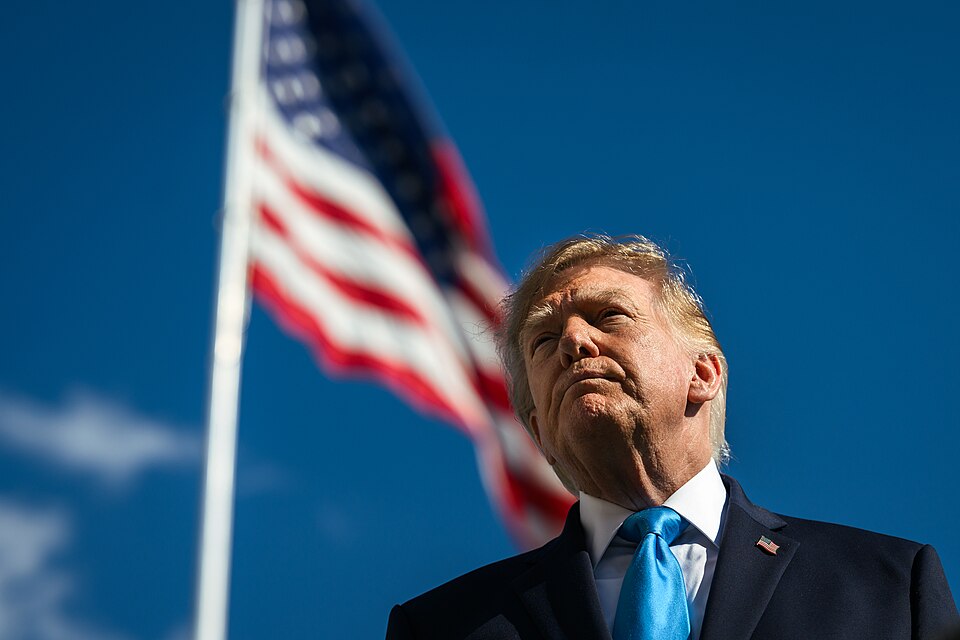
Top GOP Donor Breaks With Trump
One of President Donald Trump’s most influential financial supporters is publicly questioning a major decision by the administration, signaling a notable disagreement among prominent Republican allies.
Billionaire technology investor Peter Thiel, a longtime supporter of Republican candidates and a major financial backer of Vice President JD Vance, has criticized the Trump administration’s war with Iran.
According to reporting by POLITICO, Thiel expressed his concerns during a private lecture on October 12, arguing that the United States should not have entered the conflict.
“We should not have done it,” Thiel reportedly said.
The remarks are significant because Thiel has spent years supporting conservative political candidates and helping shape the direction of the Republican Party.
A Major Trump Ally Voices Opposition
Thiel is no ordinary Republican donor.
The billionaire investor, known for his involvement in PayPal, Palantir and other major technology ventures, has been an important figure in conservative politics for more than a decade.
He supported Trump’s first presidential campaign in 2016 and later contributed substantial sums to Republican candidates, including Vance during his successful 2022 Senate campaign.
However, Thiel has also maintained a longstanding skepticism toward American military intervention overseas.
His latest comments suggest that those concerns remain strong, even when they put him at odds with a president he has supported.
Importantly, Thiel has not announced that he is abandoning Trump or the Republican Party. His criticism is directed at the administration’s handling of the Iran conflict rather than representing a complete political separation.
Iran War Creates Tension Among Republicans
Thiel’s remarks come as the war with Iran continues to generate debate within Republican ranks.
Trump has defended the military campaign as necessary to protect American national security and prevent Iran from developing a nuclear weapon.
But some Republicans have questioned how long the conflict should continue, particularly as energy prices and other economic pressures affect American households.
Several GOP candidates in competitive congressional races have called for a faster conclusion to the fighting.
Republican Senate candidates in Michigan and Iowa, along with other party officials, have expressed concerns about the conflict and its impact on the economy.
The disagreements reflect a longstanding debate in conservative foreign policy: how the United States should confront overseas threats while avoiding prolonged military commitments.
Thiel Raises Concerns About America’s Role Overseas
During his reported remarks, Thiel also questioned the effectiveness of American military power and raised concerns involving international institutions.
He specifically discussed the International Criminal Court and potential legal challenges facing American political leaders.
Thiel also referenced a 2024 meeting with Israeli Prime Minister Benjamin Netanyahu, highlighting the complexity of military operations in the Middle East.
His position reflects concerns shared by some conservative foreign-policy thinkers who believe American leaders should be cautious about committing military resources to conflicts without clearly defined objectives.
Others within the Republican Party argue that decisive military action is sometimes necessary to confront hostile governments and protect American interests.
Timing Could Matter for the Midterm Elections
The political timing adds another dimension to Thiel’s criticism.
Americans are scheduled to vote in the November 3 midterm elections, when control of Congress will be at stake.
Republicans are working to protect their congressional majorities while Democrats seek to capitalize on concerns about the economy and the administration’s handling of the war.
Despite those challenges, Trump’s political organizations have launched an enormous campaign spending effort.
Federal campaign finance disclosures show that MAGA Inc., Trump’s principal super PAC, reported nearly $277 million in spending since early September, including transfers to affiliated groups supporting Republican candidates.
The financial advantage demonstrates that Trump continues to enjoy significant backing from wealthy Republican supporters.
Thiel’s criticism, however, underscores that even influential allies do not necessarily agree with every decision coming from the White House.
What This Means for Trump and the GOP
For Trump, the disagreement raises questions about how the Republican Party will approach foreign policy in the months ahead.
The president continues to command substantial influence within the GOP, and Thiel’s statements do not necessarily indicate a broader movement against his leadership.
Nevertheless, the remarks highlight divisions over military intervention, government priorities and the costs of prolonged overseas conflicts.
Those issues have become especially important as Americans weigh national security concerns against rising household expenses.
Whether Thiel’s criticism will influence other Republican donors or policymakers remains uncertain.
For now, one thing is clear: even some of Trump’s most prominent supporters are willing to challenge his administration on major policy decisions.
And with the midterm elections approaching, the debate over America’s involvement in Iran is unlikely to disappear anytime soon.