Trump has revealed some new details.
President Donald Trump has revealed new details about why Katie Zacharia’s brief tenure as White House press secretary came to an abrupt end, pointing to an uncomfortable confrontation with reporters that he believes overwhelmed his former spokeswoman.
Speaking Friday at a political rally in Fort Myers, Florida, Trump revisited Zacharia’s first appearance in the White House briefing room and described how quickly the situation deteriorated.
According to the president, the intense pressure from journalists was more than his newly appointed press secretary had anticipated.
His latest comments come just one week after Zacharia was removed from the high-profile position, bringing an unusually short chapter in White House history to a close.
But Trump’s explanation also raises questions about what really happened behind the scenes and why an appointment that began with presidential praise ended after only five days.
Trump Reveals What Happened Behind Closed Doors
During Friday’s rally, Trump turned his attention to the national news media, criticizing what he described as the increasingly hostile environment surrounding his administration.
The president recounted walking toward the White House helicopter earlier in the day and encountering a large gathering of journalists.
Trump said reporters repeatedly shouted questions at him, creating what he portrayed as an overwhelming and chaotic atmosphere.
He then connected that experience to what happened when Zacharia faced the White House press corps for the first time.
“No wonder that poor young woman,” Trump said, describing Zacharia as a “perfect, beautiful woman” before adding that she “freaked out” when reporters began questioning her.
The president suggested that the experience demonstrated just how demanding the press secretary’s position can be.
He also revealed that he had spoken directly with Zacharia about whether she should continue in the job.
Rather than encouraging her to endure the criticism, Trump said he told her there were easier ways to earn a living.
His remarks painted a picture of a president who believed his spokeswoman had been subjected to more pressure than she needed to tolerate.
Katie Zacharia’s White House Career Lasted Just Five Days
Zacharia’s short tenure attracted national attention almost immediately.
Trump announced her selection on October 9, choosing the conservative commentator and former Trump Media communications adviser to succeed Karoline Leavitt.
The appointment placed Zacharia in one of the most visible communications positions in the federal government.
She officially began her duties on October 12.
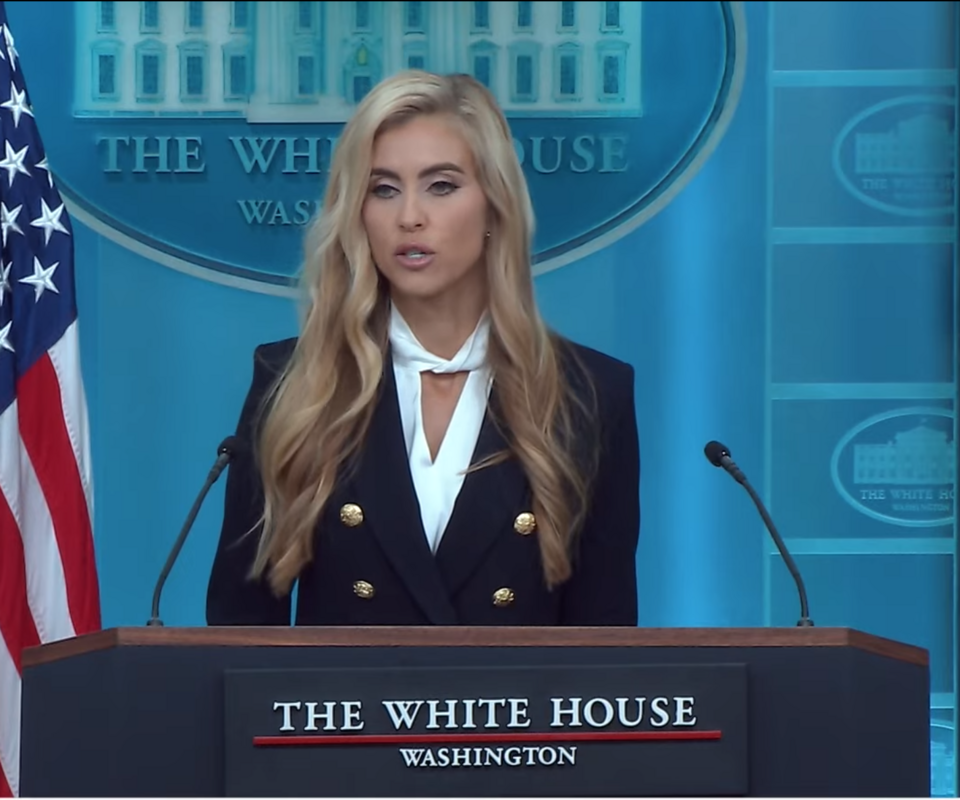
One day later, she stepped behind the White House briefing room podium for what would become her first and only formal briefing.
The October 13 appearance lasted approximately 14 minutes.
During that time, Zacharia delivered prepared remarks highlighting the administration’s accomplishments and answered questions from only three news organizations: Breitbart News, Fox News, and the Daily Mail.
Her performance quickly drew criticism.
Some political observers questioned her preparation, while others focused on the limited number of questions she answered.
By October 16, White House officials confirmed she was leaving the position.
What began as a major professional opportunity had ended in less than a week.
Trump Says the Media Went Too Far
The president’s latest explanation follows comments he made when Zacharia’s departure was first announced.
At the time, Trump said he believed she had been treated unfairly by reporters and suggested that she reconsider whether the position was worth the personal pressure.
He characterized the media coverage surrounding her as unusually harsh.
According to reporting from Axios, Trump said he had personally encouraged Zacharia to rethink the job rather than continue enduring the criticism.
That account closely matches his statements at Friday’s Florida rally.
Throughout his political career, Trump has frequently clashed with major news organizations over their coverage of his administration.
He has also made media criticism a recurring feature of his public appearances, arguing that journalists often focus on controversy rather than his administration’s achievements.
His comments about Zacharia fit that broader pattern.
But while Trump emphasized the pressure she faced from reporters, other concerns had also emerged during her brief tenure.
Questions About Zacharia’s Credentials Added to the Controversy
Beyond her first press briefing, Zacharia faced scrutiny over descriptions of her professional background.
Trump had previously referred to her as an attorney when announcing her appointment.
However, subsequent reporting raised questions about her legal credentials.
Zacharia earned a law degree from Pepperdine University but acknowledged that she had not passed the California bar examination and was not licensed to practice law in the United States.
The distinction became a major subject of news coverage shortly after her appointment.
Zacharia disputed suggestions that she had deliberately misrepresented her qualifications.
She also defended her initial White House briefing, explaining during an appearance with Fox News host Sean Hannity that she had received limited preparation time.
Nevertheless, questions about her professional experience and performance continued to dominate the conversation.
Axios reported that Trump had been unimpressed with her briefing and was surprised by the questions surrounding her attorney credentials, according to administration sources.
Those accounts suggest that her departure involved more than the hostile media environment Trump emphasized publicly.
The president has not provided a complete explanation establishing how much each issue influenced the final personnel decision.
White House Press Secretary Remains a Demanding Job
The controversy highlights the extraordinary responsibilities associated with representing the president before the national media.
The White House press secretary must respond to questions involving domestic policy, national security, immigration, economic conditions, foreign affairs, and the president’s daily decisions.
The position also requires considerable preparation and the ability to respond confidently under intense public scrutiny.
Unlike many government communications jobs, White House press briefings are frequently televised and examined by political commentators across the country.
A difficult exchange can quickly become national news.
For Zacharia, her first appearance became the defining moment of her short time in office.
Although Trump blamed aggressive questioning for much of her discomfort, critics argued that handling challenging questions is a fundamental requirement of the position.
The episode demonstrates how quickly the demands of a highly visible government role can overwhelm an appointment that initially appeared promising.
What Trump Said About Zacharia’s Future
Despite the abrupt departure, Trump has continued speaking favorably about Zacharia.
His public comments have focused more on her treatment and personal well-being than on criticizing her directly.
White House officials previously indicated that she could transition into another administration position.
However, Trump’s Friday remarks did not provide details about a confirmed new assignment.
Zacharia also expressed appreciation for the president after leaving the role.
In a public statement following her departure, she praised Trump’s leadership and said she considered it an honor to have worked for him.
Her remarks suggested that she remained supportive of the president despite the sudden end to her appointment.
Meanwhile, the administration faces the task of ensuring that its communications operation can effectively explain White House policies and respond to questions from the national press.
The selection of a press secretary remains an important decision because the position serves as a direct link between the president, journalists, and the American public.
Trump’s Explanation Brings New Attention to the Departure
Trump’s latest remarks provide his most vivid public description yet of what he believes went wrong during Zacharia’s first briefing.
He portrayed the former spokeswoman as someone who entered the briefing room with good intentions but was unprepared for the pressure she encountered.
At the same time, reports about her qualifications and the administration’s reaction to her performance indicate that several issues surrounded her removal.
The president has chosen to emphasize the media’s treatment of Zacharia rather than publicly criticize her abilities.
That distinction helps explain why he continues defending his former press secretary even after her unexpectedly short tenure.
For Trump, the central issue was the intense pressure surrounding Zacharia’s first encounter with reporters. But whether that pressure alone led to her dismissal remains unclear.
What is certain is that Zacharia’s five-day tenure became one of the shortest and most closely scrutinized appointments in the history of the White House press secretary’s office.
And with Trump now publicly revisiting the episode, questions about the demands of the position—and the administration’s next communications decisions—are likely to remain part of the national political conversation.