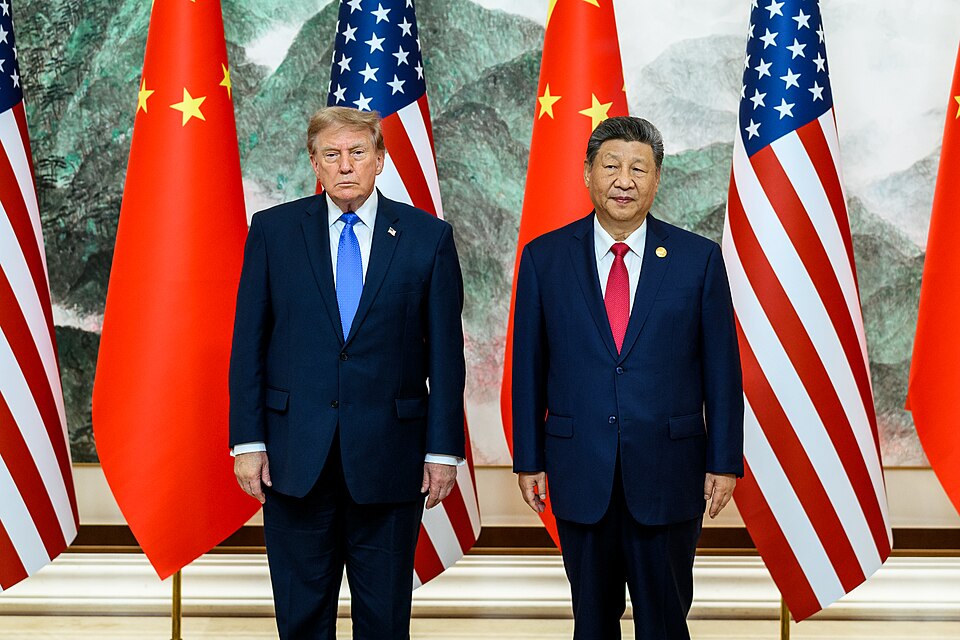
Trump’s Relationship With China’s Xi
President Donald Trump’s relationship with Chinese President Xi Jinping is drawing renewed attention as the two world leaders navigate growing tensions over international trade, national security, and America’s economic future.
Although Trump has frequently spoken positively about his personal interactions with Xi, questions remain about whether their diplomatic relationship will produce meaningful benefits for the United States.
China expert Gordon Chang has offered a cautious assessment of Beijing’s intentions, warning that friendly gestures from Chinese leadership should not be mistaken for a willingness to abandon the country’s strategic interests.
The renewed focus comes as Trump continues pursuing direct negotiations with foreign leaders while emphasizing his administration’s commitment to protecting American economic and security interests.
Trump’s Personal Diplomacy With Xi Raises Questions
Trump’s approach to China has often combined tough economic policies with an emphasis on maintaining personal communication with Xi.
The president has argued that establishing relationships with powerful international leaders can create opportunities for negotiations that might otherwise prove difficult.
However, critics of Beijing warn that diplomatic appearances do not necessarily reflect the underlying realities of international competition.
Chang, who has repeatedly raised concerns about the Chinese Communist Party’s ambitions, believes Washington must carefully evaluate Beijing’s actions rather than rely solely on promises or public displays of cooperation.
During Trump’s latest visit to China, Xi personally welcomed the American president upon his arrival, an unusual gesture that attracted significant attention.
Chang and other observers suggested the reception could reflect Beijing’s desire to establish a favorable atmosphere before important negotiations.
Whether that hospitality will translate into substantial agreements remains uncertain.
China Faces Pressure as Trump Pursues American Interests
Economic competition remains one of the most important issues shaping relations between Washington and Beijing.
The United States and China maintain extensive commercial ties, but disputes involving tariffs, manufacturing, technology, and market access continue to complicate negotiations.
Trump has long criticized trade arrangements that he believes have disadvantaged American businesses and workers.
His administration has also emphasized the importance of reducing dependence on foreign supply chains, particularly in industries considered essential to national security.
China’s growing technological ambitions have added another dimension to the relationship.
American officials have expressed concerns about Beijing’s efforts to expand its capabilities in artificial intelligence, advanced semiconductors, and other strategically important industries.
Chang has argued that the United States retains important technological advantages and should avoid surrendering its competitive position.
These concerns have become increasingly significant as both countries compete for influence over the global economy.
National Security Remains a Major Concern
Beyond economic disagreements, Trump’s relationship with Xi is shaped by serious national security challenges.
China’s military activities around Taiwan and its expanding presence in the Indo-Pacific region continue to raise concerns among American policymakers.
Beijing considers Taiwan part of its territory, while the self-governing island maintains its own democratic government.
The United States has longstanding security interests in the region, making developments surrounding Taiwan especially important to Washington.
Chang has previously warned that confrontations involving Chinese military forces could create dangerous situations even without a deliberate decision to launch a major war.
Such concerns underscore the complicated responsibilities facing Trump as he seeks to maintain diplomatic communication while protecting American interests and regional stability.
What Trump’s China Strategy Means for Americans
For American households, the consequences of U.S.-China relations extend well beyond diplomatic meetings.
Trade decisions can influence consumer prices, manufacturing employment, agricultural exports, and the availability of everyday products.
American farmers have a particular interest in developments involving China, which has historically been an important overseas market for agricultural commodities.
Manufacturers also face challenges involving international competition, production costs, and access to critical materials.
Meanwhile, decisions involving advanced technology and national security could influence American industries for years to come.
Supporters of Trump’s negotiating approach believe maintaining direct communication with Xi offers opportunities to secure better agreements while reducing the risk of unnecessary confrontation.
Others argue that the administration must remain vigilant because China’s long-term strategic objectives may conflict with American priorities.
These competing considerations highlight why the relationship between the two presidents continues to attract considerable scrutiny.
Trump Faces Important Decisions Going Forward
As President Trump continues discussions with Xi, the central question is whether diplomatic cooperation can produce measurable results without compromising American interests.
Chang’s warnings reflect a broader concern among China policy analysts that Beijing may use diplomatic goodwill to improve its negotiating position.
At the same time, maintaining communication between the world’s two largest economies can help manage disagreements and reduce the possibility of misunderstandings.
Trump must balance those considerations as his administration addresses trade disputes, military tensions, and competition over emerging technologies.
For Americans concerned about economic stability, domestic manufacturing, and national security, the outcome of these negotiations could carry lasting consequences.
Ultimately, Trump’s relationship with Xi will be judged less by public appearances and personal compliments than by the agreements reached and their effects on the United States.
Whether the two leaders can find common ground while defending their respective national interests remains one of the most consequential questions facing American foreign policy.