This cannot be happening.
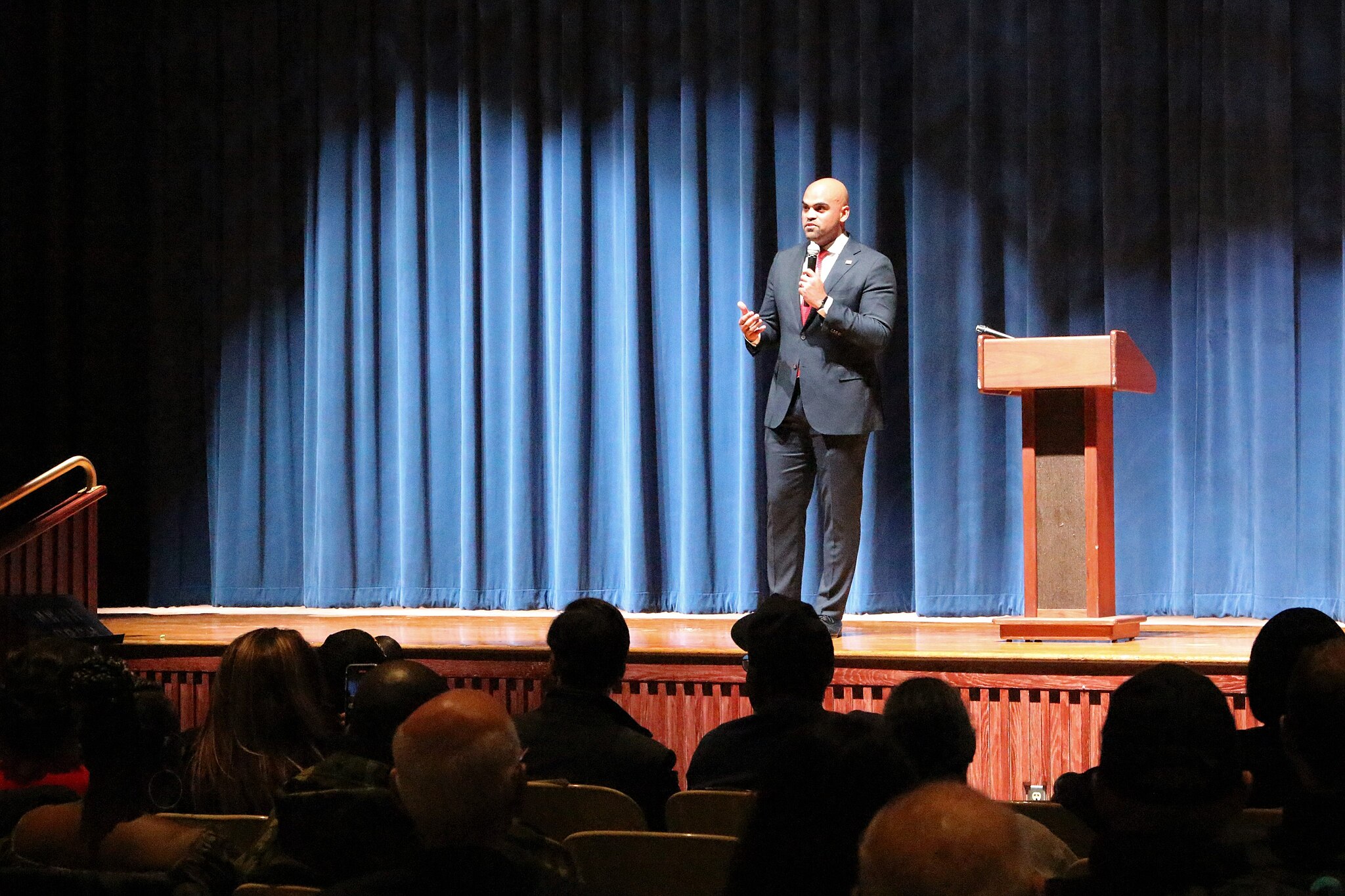
Rep. Colin Allred (D) is targeting suburban voters as he gears up for the final stretch of an increasingly competitive Senate race in Texas. With just a week remaining until Election Day, the race between Allred and incumbent Sen. Ted Cruz (R) is tightening, and some recent polls even indicate a statistical tie.
Despite being viewed as the underdog, Allred is making a strategic push to capture the moderate voters in Texas suburbs—areas crucial for his potential success. Recent polling from Emerson College/The Hill suggests Allred is trailing Cruz by only 1.5 percentage points, indicating a highly competitive environment. Republican strategist Matt Mackowiak has acknowledged that the situation is making many in the GOP uneasy, but he anticipates that Cruz’s support will strengthen alongside that of former President Trump as the election approaches.
Allred is focusing on urban suburbs, hoping to mobilize both sporadic Democratic supporters and some disenchanted Republicans. His strategy includes campaigning in areas like Williamson and Collin counties, where residents often have fiscally conservative leanings and concerns about taxes and the economy. Many of these voters are new arrivals from states like California and Massachusetts, making them a prime target for persuasion efforts.
While Cruz is ramping up efforts to energize his base through his “Keep Texas, Texas” tour, Allred’s campaign is aimed at winning over those undecided voters who may be more inclined to participate in the presidential election. Democratic strategist Matt Angle emphasizes that for Allred to succeed, he must achieve significant turnout in major urban counties like Travis and Harris.
Cruz has been vocal about the critical nature of this election, framing it as a decisive moment for Texas conservatism. He has taken a strong stance on issues like border security and has characterized Allred’s positions as extreme. However, as Allred leverages hot-button issues like healthcare and education, he aims to appeal to voters’ desire for pragmatic solutions over partisan politics.
With both parties recognizing the importance of turnout, the dynamics of this race could have far-reaching implications. Should Allred gain traction among suburban voters, it might signal a shift in Texas politics, potentially influencing future elections in this historically Republican stronghold. The stakes are high, and with the race drawing national attention, both candidates are aware that the outcome could redefine the political landscape in Texas for years to come.