This is a terrible idea.
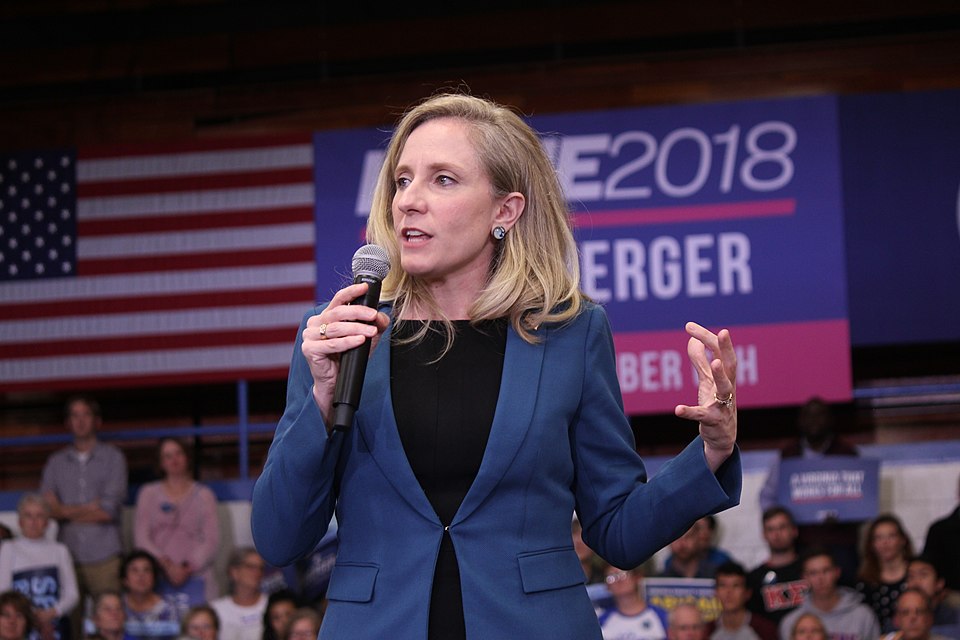
Virginia Governor Abigail Spanberger is drawing attention after suggesting that new taxes on everyday services—including gym memberships, streaming subscriptions, and pet care—could be considered as part of the state’s future revenue strategy.
Her comments are fueling fresh concerns about rising taxes, higher living costs, and government expansion, especially among retirees and middle-class families.
Could Everyday Services Be Taxed Next?
In a recent interview, Spanberger emphasized that changing economic trends may require new ways for states to generate revenue.
“Every idea that is reasonable should be discussed,” she said.
That statement has sparked debate over whether Virginia could expand taxes beyond traditional goods and into commonly used services such as:
- Streaming and digital subscriptions
- Gym memberships and wellness services
- Pet grooming and care
- Auto repairs and maintenance
- Dry cleaning and personal services
- Data storage and online services
For many Americans, these are not luxury expenses—they are part of everyday life. Expanding taxes into these areas could quietly increase the overall cost of living.
Past Tax Proposals Add Fuel to Concerns
Several proposals introduced in recent years—including during the administration of former Governor Glenn Youngkin—explored taxing a wide range of services.
Those proposals did not pass before the legislative session ended, but critics argue that reopening the conversation signals a broader push toward new tax revenue streams.
At the same time, Virginia has already approved a gradual minimum wage increase to $15 per hour by 2028, adding another layer to the state’s economic outlook.
President Trump Sounds the Alarm
President Donald Trump responded strongly, warning that increasing taxes could damage Virginia’s economic strength.
In a Truth Social post, Trump criticized what he described as a growing list of proposed taxes, including those on food, utilities, and digital services.
“People are leaving that would never have even thought of doing so,” Trump wrote, raising concerns about affordability and economic competitiveness.
Spanberger Responds to Criticism
Spanberger pushed back on those claims, saying they misrepresent her record. She noted that she has not enacted sweeping tax increases and that any future decisions would depend on the details of specific legislation.
“It depends entirely on what is in the bill,” she explained.
She also pointed to changes in consumer behavior—such as the shift from physical products to digital services—as a reason policymakers are rethinking how taxes are structured.
Why This Matters for Your Wallet
The bigger issue goes beyond Virginia. Across the country, lawmakers are debating how to tax a modern economy where more spending happens online or through services instead of physical goods.
For consumers—especially those on fixed incomes—this could mean:
- Higher monthly bills
- Increased service costs
- Less predictable expenses
- Greater financial pressure over time
Even small taxes on multiple services can add up quickly, making everyday living more expensive.
The Bottom Line
While no new sweeping taxes have been approved, the conversation itself is raising red flags for many Americans. Expanding taxes into everyday services could significantly impact household budgets—particularly for older Americans focused on stability and affordability.
As these discussions continue, voters will be watching closely to see whether “new revenue ideas” translate into real tax increases that hit close to home.