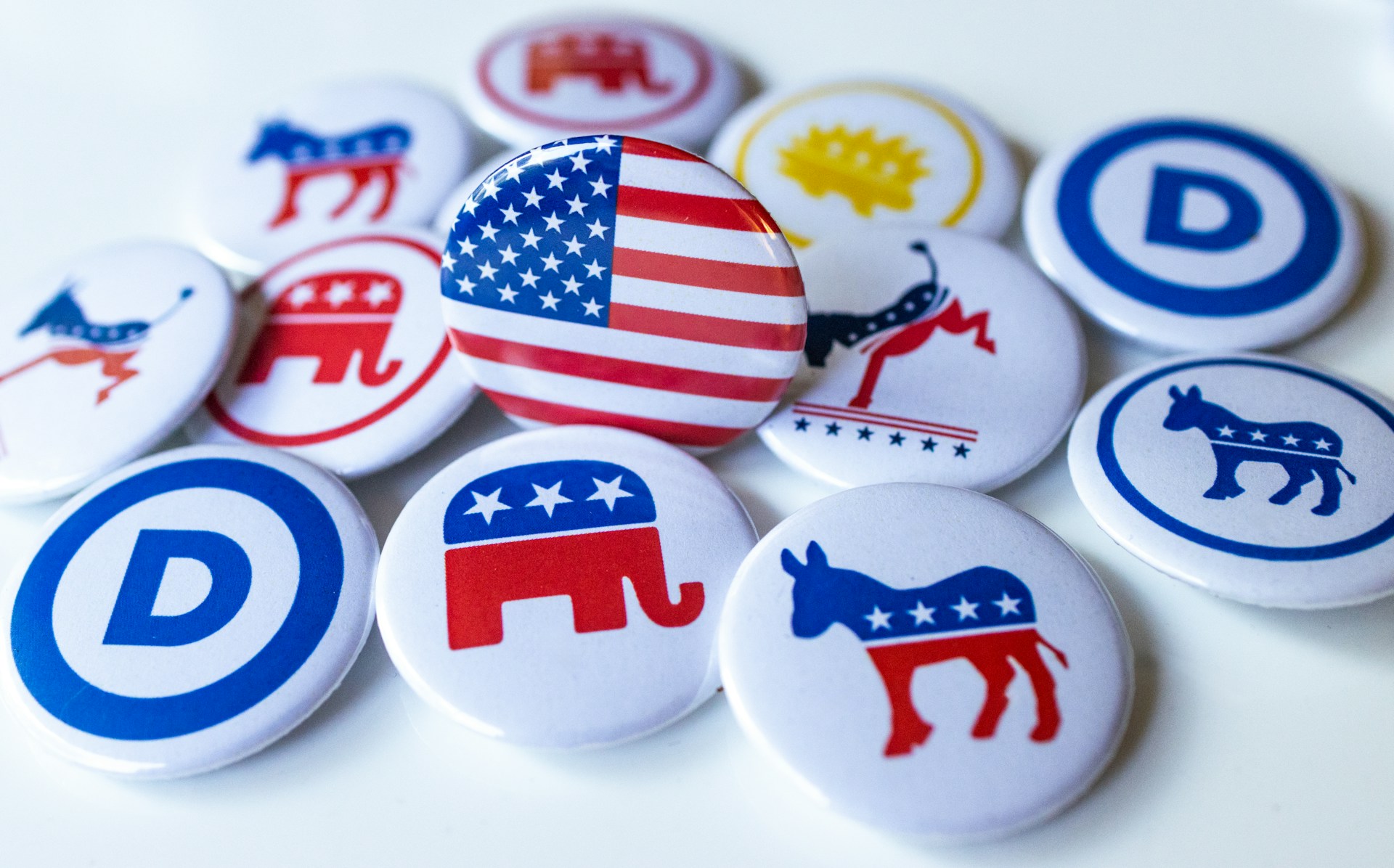
Both Democrats and Republicans are quietly losing ground with one critical group of voters: young Americans.
New national polling shows a growing number of younger voters are walking away from both parties and choosing to identify as political independents instead.
According to fresh data released by Gallup, millennials and Generation Z are far less loyal to either major party than older Americans. In fact, independents now outnumber Democrats and Republicans combined among younger voters—a shift that could reshape future elections.
Why This Matters Heading Into 2026
The trend arrives at a sensitive time as the country looks ahead to the November 2026 midterm elections. Republicans are attempting to hold slim majorities in Congress, while Democrats are hoping to reclaim control of the House and possibly make gains in the Senate.
History shows that the party controlling the White House often struggles in midterm elections. During President Donald Trump’s first term, Democrats gained dozens of House seats in 2018, dramatically changing the balance of power. A similar swing in 2026 could once again alter the legislative landscape.
Independents Now Dominate Younger Generations
Gallup surveyed more than 13,000 U.S. adults nationwide and found that 45 percent of Americans identified as independents in 2025, while just 27 percent identified as Democrats and another 27 percent as Republicans.
Among Generation Z voters, the numbers were even more striking. Fifty-six percent said they identify as independents, compared to 27 percent Democrats and 17 percent Republicans. Millennials showed nearly identical behavior, with 54 percent identifying as independents, outpacing both major parties by wide margins.
This growing independence suggests deep frustration with establishment politics, messaging, and leadership across the board.
Older Voters Remain More Loyal to Parties
By contrast, older generations continue to show stronger party loyalty. Members of the Silent Generation were the most consistent voters, with Republicans holding a slight edge over Democrats and far fewer identifying as independent.
Baby boomers were more evenly divided, but still showed far higher levels of party affiliation than younger voters—highlighting a clear generational divide in political identity.
A Warning Sign for Both Parties
The poll also revealed that independents overall continue to lean slightly toward Democrats rather than Republicans, and that gap has widened since 2024. With independents often deciding elections in swing states, this shift could have serious implications for future campaigns.
Gallup noted that younger Americans are maintaining high levels of political independence as they age, rather than settling into traditional party identities like previous generations.
The Bottom Line
As the 2026 midterms approach, both Democrats and Republicans face a growing challenge: a rising generation that no longer trusts either party. With control of Congress potentially hinging on independent voters, especially in battleground states, this trend may be one of the most important political developments of the next election cycle.