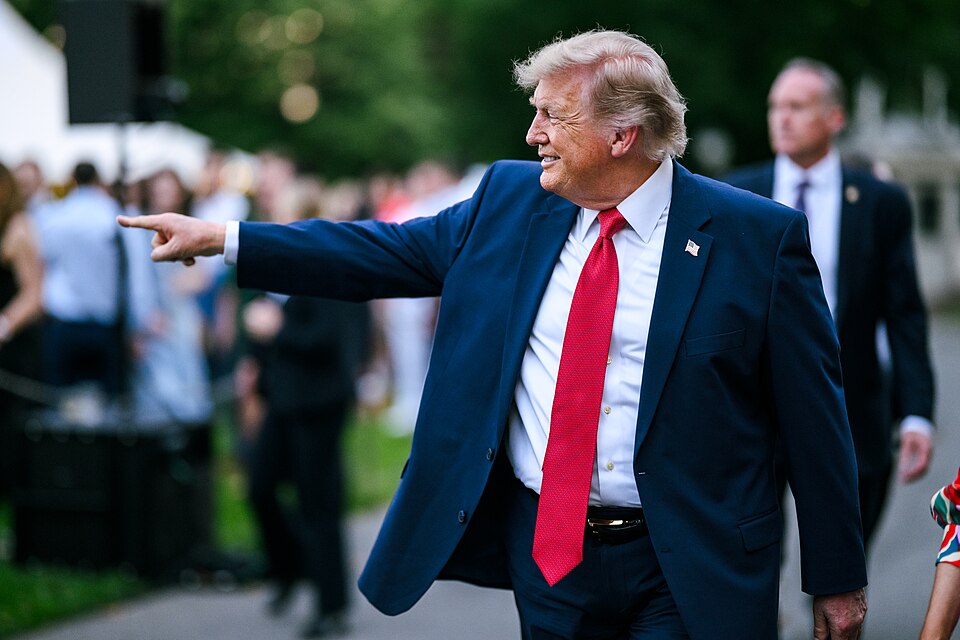
This shocked many conservative voters.
President Donald Trump remains the most influential figure in Republican politics, but a series of recent developments has sparked debate about the direction of the GOP as lawmakers and voters weigh key issues heading into the 2026 midterm elections.
While Trump continues to enjoy strong support from Republican voters nationwide, several recent events have highlighted areas where some conservatives are taking independent positions on major policy questions. From foreign policy disputes on Capitol Hill to an unexpected primary election result and disagreements over a controversial Justice Department proposal, Republicans are finding themselves engaged in important conversations about the future of the party.
Political analysts say these developments may offer an early glimpse into the challenges Republicans will face as they seek to maintain momentum heading into another crucial election cycle.
House Republicans Challenge White House on Iran Policy
One of the biggest points of disagreement emerged in Congress this week when a handful of Republican lawmakers joined Democrats in supporting a measure related to U.S. involvement in the conflict with Iran.
Representatives Thomas Massie of Kentucky, Brian Fitzpatrick of Pennsylvania, Tom Barrett of Michigan, and Warren Davidson of Ohio voted in favor of legislation that would require congressional authorization for continued military action.
The measure narrowly passed the House by a vote of 215-208.
Supporters argued that Congress should play a larger role when military action is involved, pointing to constitutional responsibilities regarding declarations of war. Critics, however, warned that limiting presidential flexibility during a period of international uncertainty could weaken America’s strategic position.
The White House quickly pushed back against the proposal, arguing that it carries limited legal authority and does not change the administration’s ability to protect U.S. interests abroad.
Even so, the vote revealed that some Republicans remain concerned about how military engagements are managed and whether Congress should have a greater voice in major foreign policy decisions.
Surprise Iowa Primary Result Raises Questions
Another headline-grabbing development came in Iowa, where Republican voters delivered an unexpected outcome in a closely watched gubernatorial primary.
Businessman and farmer Zach Lahn narrowly defeated Representative Randy Feenstra, who had received President Trump’s endorsement.
Many political observers expected Trump’s support to provide a significant advantage, particularly in a conservative state where the president remains highly popular. Instead, Lahn was able to build a strong grassroots coalition that helped propel him to victory.
The race attracted national attention because it was viewed as a test of voter sentiment heading into the midterms. While Trump continues to maintain an impressive record of endorsement victories, the Iowa result demonstrated that local issues and grassroots enthusiasm can still play a decisive role in Republican primaries.
Following the election, Feenstra congratulated his opponent and encouraged Republicans to unite behind conservative principles moving forward.
For many strategists, the outcome serves as a reminder that voters ultimately make the final decision, regardless of endorsements or outside political influence.
DOJ Proposal Draws Republican Criticism
At the same time, disagreements emerged over a proposed Justice Department initiative that would have established a large compensation fund for individuals claiming they were affected by government misconduct.
The proposal quickly generated questions from lawmakers who wanted more details about how the program would operate, who would qualify, and how taxpayer dollars would be spent.
Legal challenges added additional complications, and a federal judge temporarily halted the effort.
Soon afterward, the Justice Department announced it would comply with the court ruling, effectively stopping the program for now.
Several Republican lawmakers had expressed concerns that the proposal could become a distraction from other priorities, including border security, economic growth, and government accountability.
The debate also highlighted the ongoing balancing act facing Republican leaders as they attempt to advance a broad legislative agenda while maintaining unity across the party.
What These Developments Mean for Republicans
Despite these disagreements, there is little indication that President Trump’s position as the dominant leader of the Republican Party is under serious threat.
His approval among Republican voters remains strong, and his influence continues to shape policy debates, election strategies, and campaign messaging across the country.
However, recent events show that Republicans are not always in lockstep on every issue.
Questions involving foreign policy, executive authority, government spending, and the role of Congress continue to generate discussion among conservatives. Those debates are likely to intensify as lawmakers prepare for the 2026 elections and work to address the concerns of voters focused on the economy, national security, inflation, and border enforcement.
For Republican leaders, the challenge will be maintaining party unity while allowing room for healthy debate on important policy matters.
Looking Ahead to 2026
As the midterm campaign season begins to take shape, Republicans remain focused on expanding their electoral success and advancing conservative priorities.
The recent disagreements may create headlines, but they also reflect a party actively debating the best path forward. Whether the issues involve national security, government accountability, or the future direction of the conservative movement, GOP voters will continue to play the decisive role in shaping what comes next.
With President Trump still serving as the central figure in Republican politics, all eyes will remain on how the party navigates these internal debates while preparing for another high-stakes election year.