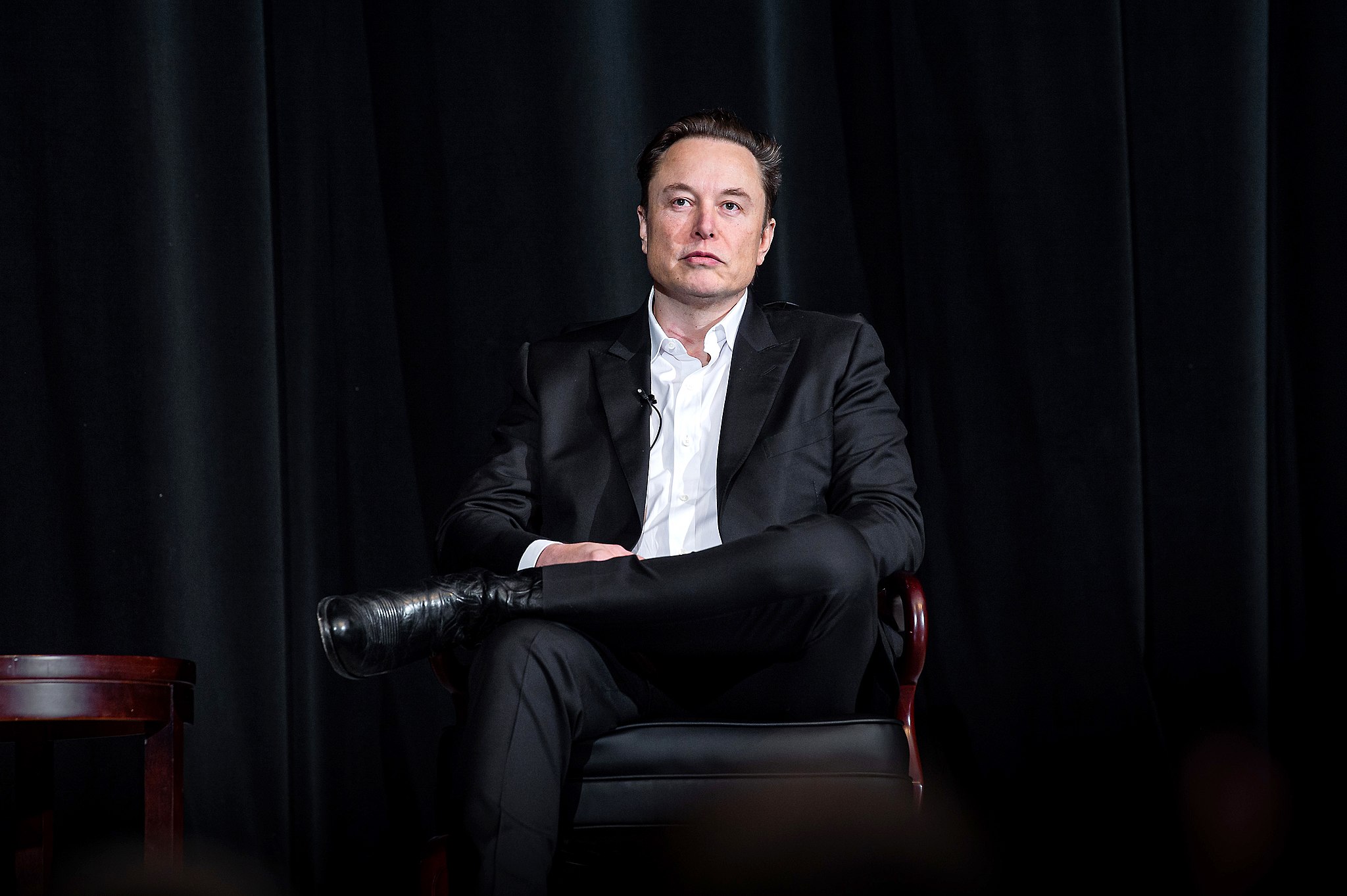
Government Transparency Takes a Major Step Forward Under President Trump
In a major legal breakthrough for President Trump’s mission to restore integrity and efficiency in Washington, a federal judge has conditionally authorized Elon Musk’s Department of Government Efficiency (DOGE) to access critical U.S. Treasury Department systems.
This ruling lifts earlier restrictions and marks a pivotal moment in the fight to drain the swamp.
Democrat-Led Legal Challenge Falls Short
The decision follows an aggressive lawsuit by 19 Democrat state attorneys general, led by New York’s Letitia James. They argued that allowing DOGE to access federal payment systems could compromise privacy and defy Congress.
But critics say the lawsuit was nothing more than a political stunt to protect entrenched bureaucracy and obstruct real reform.
Conditional Access with Built-In Safeguards
Judge Jeannette Vargas ruled that once designated DOGE personnel complete federal cybersecurity training and submit financial disclosures, they will be granted access to Treasury systems that include payment records and personal data.
This conditional access applies to senior DOGE officials including:
- Tom Krause, DOGE Team Leader
- Linda Whitridge, Financial Oversight Specialist
- Samuel Corcos, Data Efficiency Analyst
- Todd Newnam, Systems Modernization Lead
One member, Ryan Wunderly, was already cleared in April—demonstrating a phased, secure rollout of responsibilities.
A Win for Taxpayers and a Blow to Wasteful Spending
DOGE was established by President Trump in January to eliminate waste, cut redundant spending, and modernize outdated federal systems across agencies like the Treasury, Labor, and HHS.
By allowing targeted access to critical data, this ruling enables DOGE to:
- Identify misused taxpayer funds
- Streamline government operations
- Increase accountability and transparency
It’s a direct challenge to decades of bloated bureaucracy—and a huge win for American taxpayers.
Democrats Sound Alarm—But Offer No Solutions
In a heated statement, Letitia James claimed:
“President Trump cannot just hand over Americans’ personal data.”
Connecticut Attorney General William Tong echoed the panic, calling DOGE a “band of renegade tech bros” and warning of a “data breach”—despite no evidence of misuse.
Yet many see this resistance as ideologically driven fearmongering, aimed at blocking Trump’s efforts to enforce fiscal discipline and restore trust in government.
Why This Matters Now More Than Ever
As inflation remains a concern and federal debt continues to soar, Americans over 50—those who have paid into the system for decades—are demanding smarter, leaner government.
This court victory represents real movement toward that goal.
“This is about protecting your Social Security, safeguarding your data, and making sure every tax dollar is accounted for,” said a senior White House official.
Looking Ahead: Privacy vs. Efficiency in the Digital Age
This case could set a powerful precedent for how the federal government handles digital oversight, personal privacy, and executive authority in an age of rapid technological change.
With Musk’s tech-savvy leadership and Trump’s no-nonsense governance, DOGE is poised to challenge how Washington operates—and that has the establishment rattled.