Another case of Trump Derangement Syndrome.
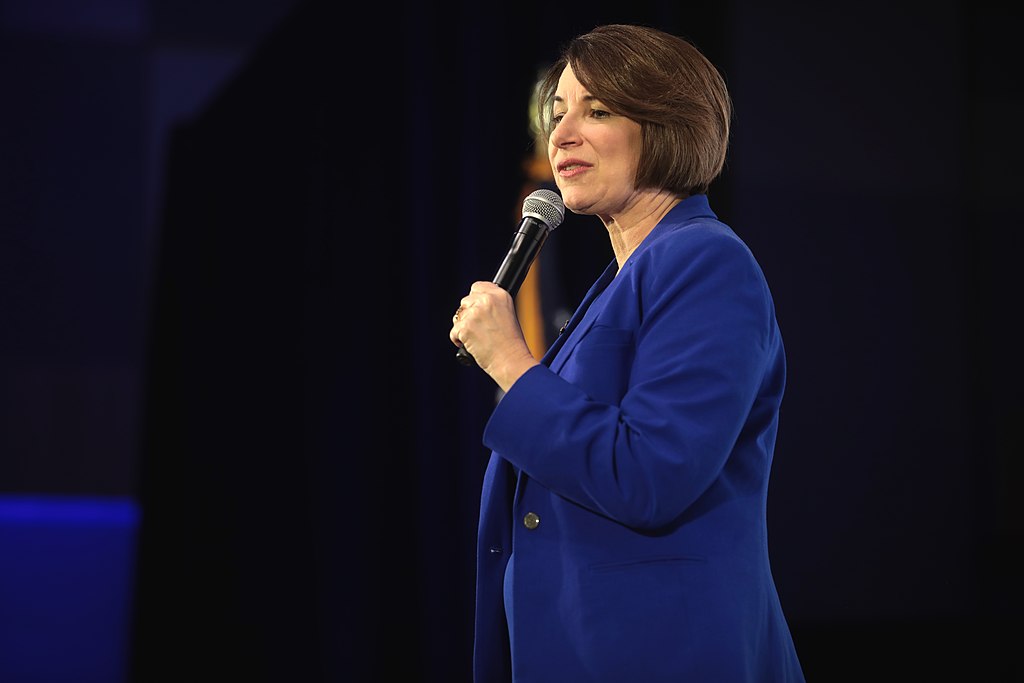
Sen. Amy Klobuchar, a Democrat from Minnesota, is drawing renewed criticism from conservatives over what many see as a sharp reversal on Venezuela—one that appears driven less by policy and more by opposition to President Donald Trump.
During the 2019 Democratic presidential primary, Klobuchar publicly supported aggressive U.S. pressure against Venezuelan strongman Nicolás Maduro, including the possibility of military involvement. At the time, she argued that removing Maduro was necessary to restore democracy and stabilize the region.
Klobuchar said then that while coordination with allies was important, military force should never be taken off the table, a position shared by many Democrats during the height of Venezuela’s political and economic collapse.
That same year, she again backed U.S. efforts to recognize an alternative Venezuelan government and openly discussed delegitimizing Maduro’s regime—language that aligned with bipartisan frustration over socialism’s failure in one of the world’s most resource-rich nations.
However, critics say Klobuchar’s tone shifted dramatically once President Trump began taking decisive action. Rather than applauding the outcome she once demanded, Klobuchar condemned the Trump administration, accusing it of attempting to “run” another country.
Republicans argue this reversal reflects a broader pattern inside today’s Democratic Party.
Rep. Andy Ogles, R-Tenn., accused Democrats of demanding Maduro’s removal for years—only to oppose the results once Trump delivered. He described the reaction as a late-stage case of what conservatives commonly call Trump Derangement Syndrome.
Political commentator John Ashbrook echoed that sentiment, arguing that Washington Democrats often strike one tone with friendly media outlets, then abandon their stated positions once political pressure mounts.
Veteran Republican strategist Colin Reed said the episode highlights how partisan politics increasingly override national interest. He noted that Venezuela’s socialist regime devastated its economy, impoverished its citizens, and allowed hostile foreign powers—including China, Iran, and Russia—to expand influence in the Western Hemisphere.
According to Reed, Trump’s actions strengthened America’s global position while giving Venezuelans renewed hope—an outcome Democrats once openly supported.
The White House has also pointed to similar reversals from other senior Democrats. Senate Minority Leader Chuck Schumer previously criticized Trump for failing to remove Maduro, only to later label decisive action reckless. Sens. Dick Durbin and Chris Van Hollen have likewise faced scrutiny for shifting from calls for pressure to warnings against intervention.
For many older conservative voters, the controversy reinforces a familiar concern: when President Trump achieves outcomes Democrats once demanded, partisan opposition often replaces policy consistency—no matter the results.