This was shocking to hear.
America may be closer to a turning point in the Middle East than many voters realize.
Following a classified Senate briefing on Iran, a single question asked on national television sparked serious concern: Is the United States heading toward war?
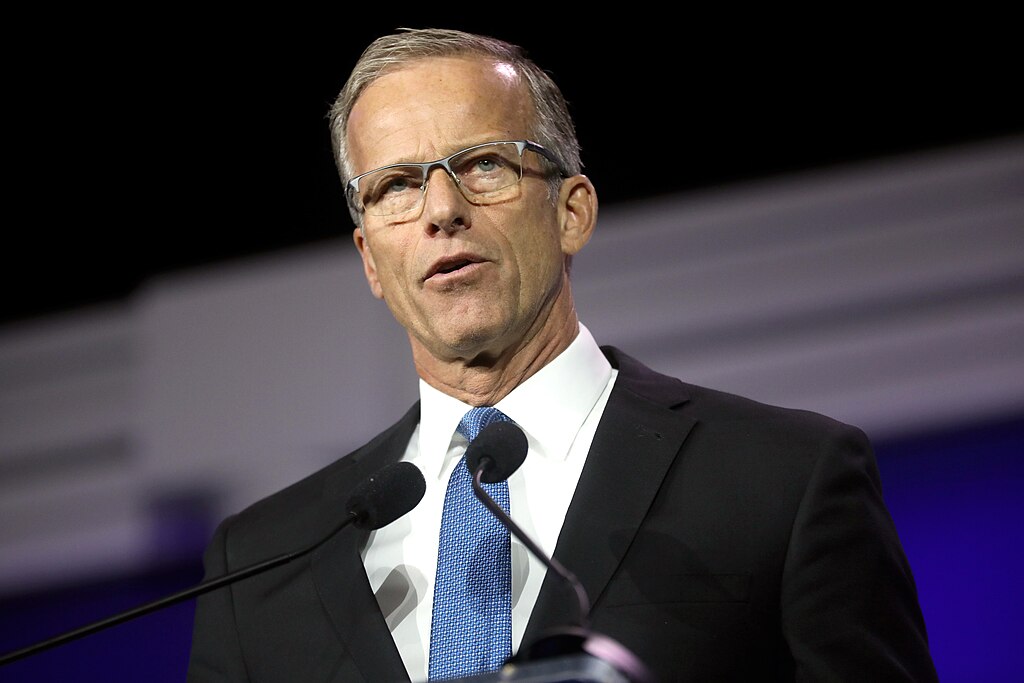
During an interview on Fox News Channel, White House correspondent Aishah Hasnie pressed John Thune, the Senate Majority Leader, about what lawmakers learned regarding Iran’s nuclear ambitions and President Trump’s next move.
His response was measured — but it left many Americans unsettled.
Democrats Raise Alarms After Iran Briefing
After the closed-door intelligence session, Mark Warner told reporters the president must clearly define America’s goals in the region.
Warner argued that Americans deserve to understand:
- What U.S. objectives are
- How American interests will be protected
- What strategy will guide future action
For voters who lived through Iraq, Afghanistan, and decades of Middle East instability, that kind of rhetoric triggers understandable concern.
“Are We Going to War?”
Hasnie put the question bluntly to Thune:
After hearing classified intelligence, is America moving toward military action?
Thune did not offer a definitive yes or no.
Instead, he emphasized President Trump’s commitment to protecting “vital national security interests” — both abroad and here at home.
But one thing was crystal clear:
The United States will not tolerate a nuclear-armed Iran.
That line mirrors President Trump’s longstanding foreign policy doctrine — preventing hostile regimes from gaining nuclear capability that could threaten U.S. allies or the American homeland.
WATCH:
🚨 JUST NOW.
— ⁿᵉʷˢ Barron Trump 🇺🇸 (@BarronTNews_) February 25, 2026
A reporter asked if we’re going to war with Iran.
John Thune responded: “I don’t know the answer to that. I think the president is preparing us to defend America’s vital national security interest. We cannot tolerate a nuclear Iran.”
That’s a serious statement.… pic.twitter.com/KdTsRes00U
Trump’s Strategy: Peace Through Strength
According to Thune, the administration is following the same principle that guided Trump’s first term: peace through strength.
That means:
- Positioning American military assets strategically
- Maintaining strong deterrence in the region
- Leaving the door open for diplomacy
Thune suggested Iran is being given an opportunity — perhaps a final one — to negotiate before more serious decisions are made.
“If I’m the Iranians, I view it that way,” Thune said, implying Tehran should take the negotiations seriously.
Why Iran’s Nuclear Program Matters to Americans
This issue is not new.
U.S.–Iran tensions date back to the 1979 Islamic Revolution. For nearly five decades, American presidents from both parties have grappled with how to prevent Iran from becoming a nuclear power.
Here’s why it matters:
- Iran has the capability to strike U.S. allies in the Middle East
- A nuclear Iran could trigger a regional arms race
- American troops and assets in the region could face heightened risk
- The U.S. homeland could eventually be threatened
For Americans over 50 who remember the Cold War and nuclear brinkmanship, the stakes feel especially serious.
A Defining Moment for U.S. Foreign Policy
The upcoming talks between U.S. officials and Iran may determine whether diplomacy succeeds — or whether the situation escalates.
Thune also pointed out that change inside Iran may ultimately be necessary, noting that many Iranian citizens have long expressed a desire for greater freedom and reform.
The administration’s position appears to be this:
- Diplomacy is possible.
- Strength is necessary.
- Nuclear weapons in Iran are unacceptable.
That combination has defined much of President Trump’s foreign policy approach.
What Happens Next?
At this stage, no formal declaration has been made. No military action has been announced.
But after that one simple question — “Are we going to war?” — Americans are watching closely.
The next few days could prove pivotal for:
- U.S. national security
- Middle East stability
- Global energy markets
- America’s allies
For now, the message from Senate leadership is clear:
Iran has a choice to make — and the United States is prepared either way.
Final Takeaway
The briefing may have been classified, but the implications are not.
Preventing a nuclear Iran remains a top priority for President Trump and Republican leadership in the Senate. Whether this moment leads to a negotiated settlement or increased confrontation will shape America’s security landscape for years to come.
And Americans — especially those who have witnessed decades of foreign policy battles — know that decisions like these carry lasting consequences.