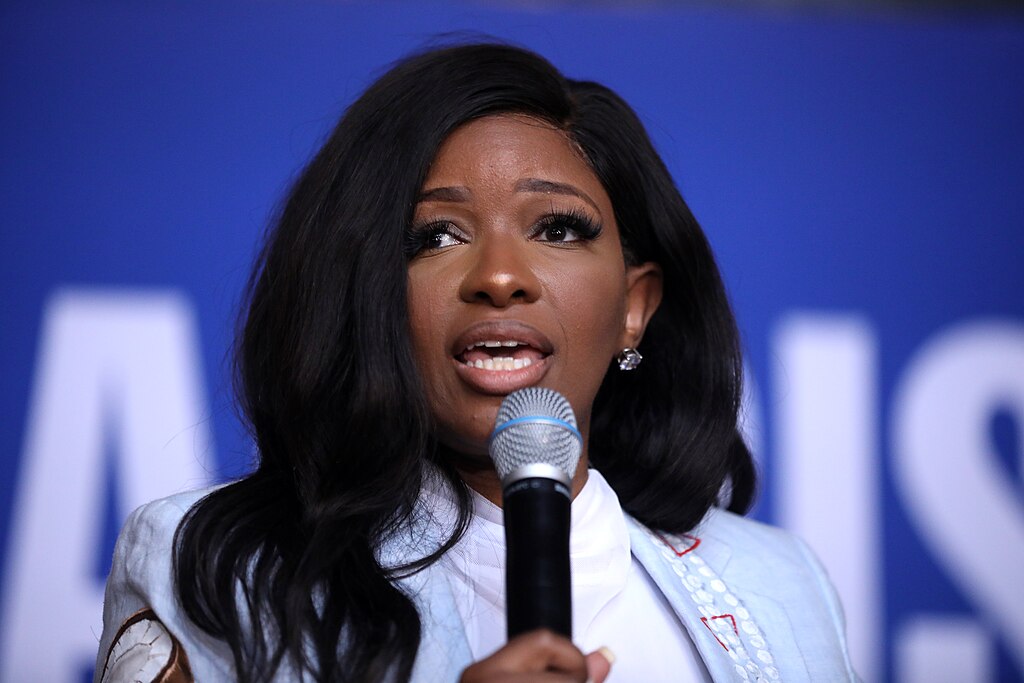
The GOP would love to watch Crockett lose.
Texas Democrats are entering a high-stakes internal showdown as Rep. Jasmine Crockett and state Rep. James Talarico prepare for their first Senate primary debate this weekend. The contest is drawing national attention as Democrats attempt—once again—to gain traction in a state that has remained firmly Republican for decades.
Recent polling shows Talarico with a narrow single-digit lead, placing Crockett on the defensive just weeks after her late entry into the race. Her sudden decision to run reshaped Democratic strategy in Texas and raised new questions about whether her confrontational political style helps or hurts the party’s chances statewide.
The debate comes ahead of the March primary, where Democrats hope to nominate a challenger to Republican Sen. John Cornyn, who faces his own competitive primary on the GOP side. While Democrats acknowledge the steep odds, party insiders say they see an opportunity if Republican voters are divided.
Political analysts say the debate will serve as an early test of which candidate can convince voters they are capable of competing beyond Democratic strongholds. Observers note that Democratic messaging increasingly centers on opposing President Donald Trump and the broader MAGA movement—a strategy that energizes the base but carries risks in Texas.
Historically, Democrats have struggled to win statewide office. The last Democratic U.S. senator from Texas left office in the early 1990s, and election analysts currently rate the race as “Likely Republican.” Still, party leaders point to close losses in recent cycles as proof that margins may be narrowing.
Behind the scenes, Democratic strategists remain divided. Some argue Texas voters want a calmer, more disciplined nominee focused on kitchen-table issues. Others believe a more aggressive approach is necessary to drive turnout and media attention.
Talarico, a former schoolteacher and seminary student, gained prominence after participating in a walkout to protest GOP-led redistricting efforts. His campaign has leaned heavily on social media outreach and grassroots fundraising, helping him raise more than $13 million since launching his bid. Advertising data shows groups backing Talarico have significantly outspent Crockett’s campaign so far.
Public polling suggests many Democratic voters remain undecided, and several operatives caution that early surveys may not reflect final turnout. Many voters say they are still weighing which candidate is better positioned to compete in November.
Crockett, a former public defender, is well known in Washington for her sharp exchanges with Republicans and outspoken opposition to President Trump. Supporters say that visibility could translate into national fundraising and media attention. Critics argue her style may alienate moderate and independent voters in a state Trump carried comfortably in 2024.
The race could become even more complicated depending on the Republican nominee. Texas Attorney General Ken Paxton, a close Trump ally, is locked in a tight primary with Cornyn. Recent polling suggests neither candidate has secured a commanding lead, raising the possibility of a runoff election that could extend the GOP contest into late spring.
Early voting for the Democratic primary begins February 17, giving both candidates limited time to make their case while avoiding internal damage that could linger into the general election. Political observers say the coming weeks will reveal whether Democrats are coalescing around a unifying message—or repeating the internal divisions that have plagued them for years.
For now, the outcome remains uncertain. What is clear is that Texas Democrats face long odds, and whether voters prefer Crockett’s confrontational approach or Talarico’s more measured style could determine not only the primary—but the party’s future strategy in the state.