Many lawmakers have raised big questions about this.
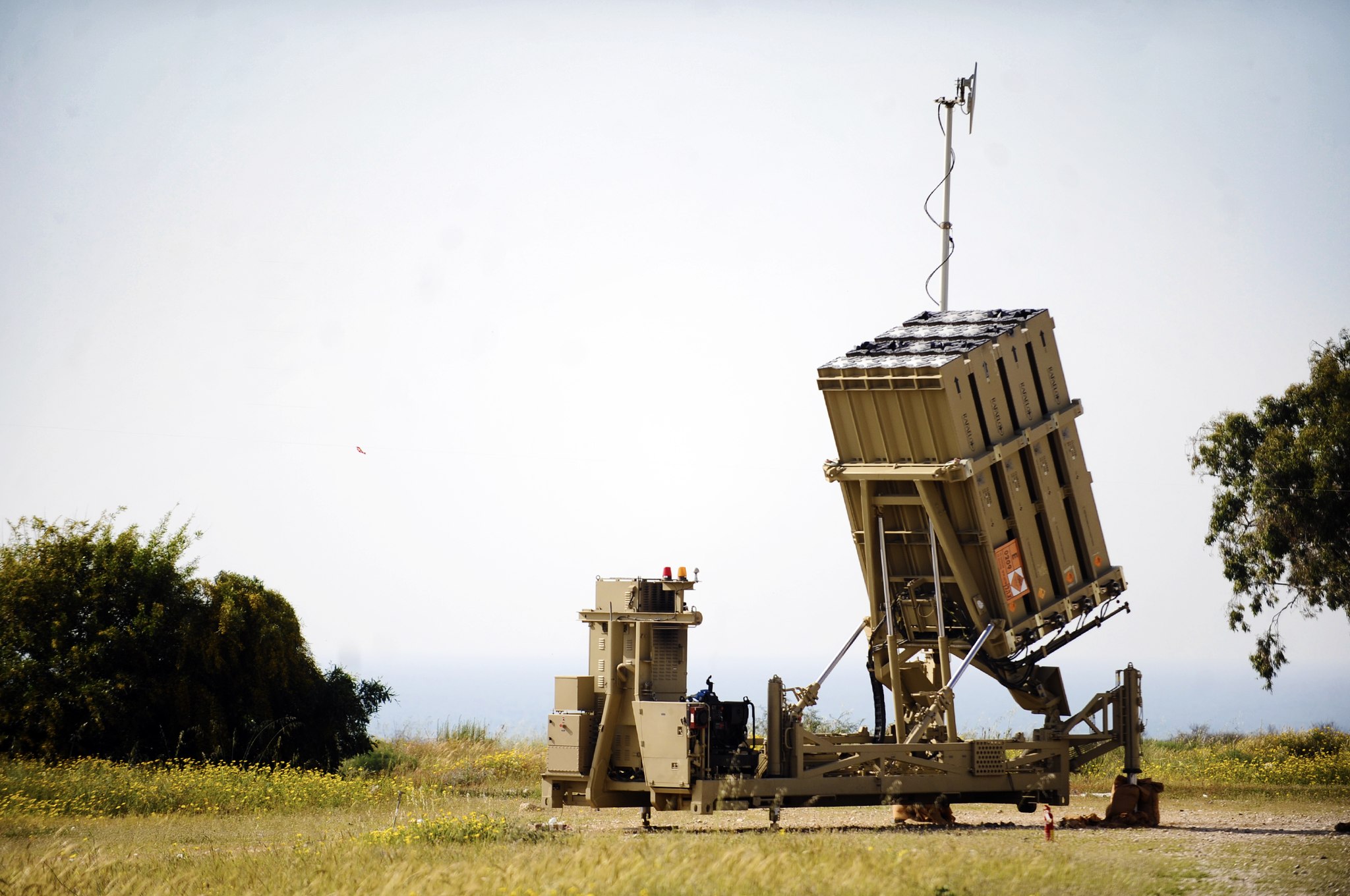
Defense Secretary Pete Hegseth made headlines recently with a bold announcement: the United States will pursue an Iron Dome-style missile defense system, delivering on a key campaign promise made by President Donald Trump. This strategic move underscores the administration’s commitment to ensuring the U.S. military remains the most formidable force in the world.
On his first day leading the Pentagon, Hegseth laid out a clear agenda that included a series of executive orders to protect the interests of American citizens and military personnel. Among these was a proposal to develop a missile defense system modeled after Israel’s Iron Dome, which has proven incredibly effective at intercepting incoming missiles with a remarkable success rate of about 90%.
Hegseth, in a statement to reporters, explained, “We are moving forward rapidly on multiple fronts—eliminating woke politics within the Pentagon, reinstating troops fired over COVID mandates, and yes, introducing Iron Dome for America.” This plan resonates with the priorities laid out in the Republican Party’s 2024 platform, which emphasizes the need to modernize the military, protect U.S. sovereignty, and support the troops who keep America safe.
While Israel’s Iron Dome is widely regarded as a technological marvel—helping the Jewish state fend off missile threats from Iran, Hezbollah, Hamas, and other enemies—the challenges of adapting such a system for the United States are clear. Israel’s smaller size and proximity to its adversaries have made the system highly effective in that region. However, the United States faces different threats, including long-range missiles from countries like China and Russia, which complicate direct comparisons.
Despite these challenges, American defense contractors are already working on solutions. Raytheon, for example, has developed the SkyHunter system, a similar missile defense technology that could be adapted for U.S. use. Meanwhile, Israel’s Rafael Advanced Defense Systems, the manufacturer of the Iron Dome, believes the technology could be scaled up to meet the needs of a larger nation like the U.S., potentially integrating new innovations such as directed energy weapons, like the Iron Beam.
Mike Huckabee, former Governor of Arkansas and President Trump’s nominee for Ambassador to Israel, echoed these sentiments. He believes that, with American resources and the right strategy, the U.S. could effectively deploy a missile defense system capable of protecting its vast territory. Huckabee noted that lessons learned from Israel’s success in defending its people could be adapted to American soil, ensuring that the U.S. military remains ahead of evolving threats.
This move is part of a broader vision for the U.S. to bolster its defenses, not just through advanced weaponry, but also by prioritizing the interests of its soldiers and putting an end to politicized influence in the Pentagon. For Republicans, this represents a commitment to national security and the preservation of American strength in an increasingly volatile world.