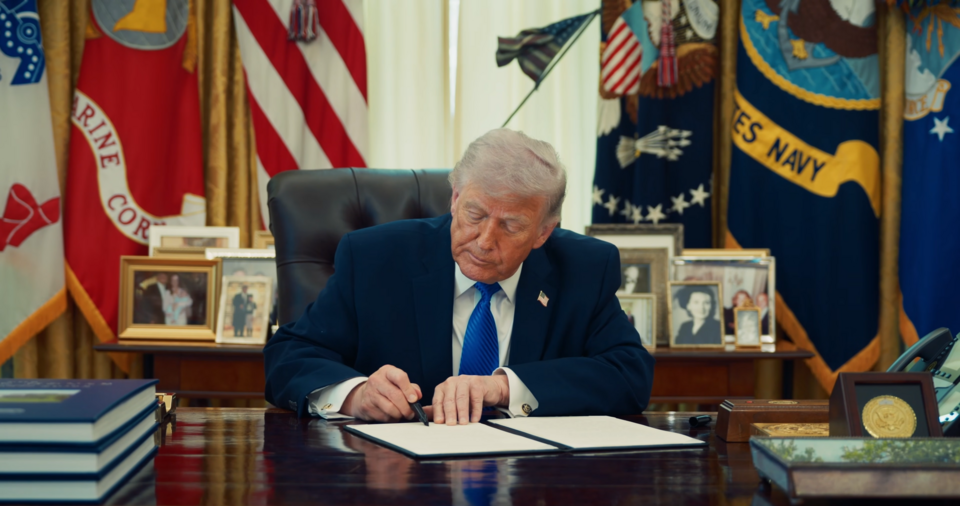
Here’s what Trump said.
President Donald Trump is sending a serious message to Republicans as the 2026 midterm elections draw closer, warning that the GOP must do a better job communicating its accomplishments if it hopes to maintain control of Congress.
With the November elections approaching, Trump has expressed frustration over what he believes is the Republican Party’s inability to effectively promote its record to the American people.
The president has argued that Republicans have significant achievements worth discussing, particularly regarding employment, economic development, and immigration enforcement. However, he believes those accomplishments are not receiving enough attention.
His concerns come as Democrats gain momentum in national polling and Republican candidates face increasingly competitive congressional races.
For Trump, the situation represents a major political challenge that could affect the remainder of his presidency.
Trump Says Republicans Have a Major Messaging Problem
During recent remarks to reporters, Trump acknowledged that his party is struggling to communicate its message to voters.
The president described the situation as a public relations problem, suggesting that Republican accomplishments are being overshadowed by negative media coverage and political controversies.
Trump has pointed to employment figures and his administration’s economic record as examples of issues he believes deserve greater attention.
He has also criticized the news media, arguing that coverage of his administration often fails to highlight developments he considers positive.
However, the political challenge extends beyond media coverage.
Republican candidates must also persuade voters who remain concerned about household expenses, economic uncertainty, and the direction of the country.
While Trump continues to express confidence in his administration’s policies, national surveys indicate that a substantial portion of the electorate remains dissatisfied.
That disconnect presents a difficult problem for Republican candidates trying to defend their seats in Congress.
New Polling Raises Concerns for Republicans
Recent polling illustrates why the White House and Republican strategists are paying close attention to the November elections.
According to the Decision Desk HQ and The Hill congressional polling average on October 13, Democrats held approximately 49 percent support compared with 41.3 percent for Republicans in the generic congressional ballot.
The figures suggest that Democrats currently have an advantage in nationwide voter preferences, although individual congressional races can differ significantly from national polling averages.
Trump’s presidential approval ratings also present challenges for Republican candidates.
The same polling organization’s October 12 presidential approval average showed approximately 38.5 percent approving of Trump’s job performance, compared with 59.4 percent who disapproved.
These numbers do not guarantee an election outcome, but they help explain growing concerns about Republican prospects.
For GOP candidates, the challenge is maintaining support among conservative voters while remaining competitive with independents and moderate voters.
Trump Pushes Republicans to Defend Their Record
Despite the polling difficulties, Trump remains convinced that Republicans have a strong political message.
He has emphasized border security, immigration enforcement, domestic investment, and economic initiatives as subjects Republican candidates should discuss with voters.
The president has also promised to campaign for GOP candidates in important congressional contests.
During a September gathering with Republican lawmakers, Trump argued that the party could overcome the traditional difficulties presidents face during midterm elections.
Historically, the party occupying the White House often loses congressional seats during the president’s second year in office.
Trump believes Republicans have an opportunity to challenge that pattern, although doing so could require stronger voter enthusiasm and a more effective campaign strategy.
Meanwhile, some Republican candidates have chosen to emphasize local economic concerns and issues affecting their individual states and districts.
This has created an important strategic question for the party: How prominently should candidates feature Trump in their campaigns?
Republicans Face a Difficult Balancing Act
A Reuters review published October 7 found that numerous Republican candidates in competitive congressional races have distinguished themselves from Trump on selected policy issues.
Of the 62 closely contested races examined, candidates in 41 had taken positions that differed from the president on at least one issue.
The disagreements involved subjects including foreign policy, economic development, and local concerns.
However, distancing themselves from particular administration policies does not necessarily mean those candidates are rejecting Trump’s broader political agenda.
Instead, the findings demonstrate how Republican candidates are adapting to different political environments.
In strongly Republican areas, Trump’s endorsement and political influence can remain important advantages.
In competitive districts, candidates may believe that focusing on independent voters and local priorities gives them a better chance of winning.
The result is a party attempting to maintain its national identity while accommodating different electoral realities.
Control of Congress Could Change Everything
The outcome of the November 3 midterm elections will determine whether Republicans retain control of the House and Senate.
If the GOP maintains its congressional majorities, Trump would have greater opportunities to advance his legislative priorities.
But if Democrats gain control of either chamber, the president could encounter additional obstacles in pursuing his agenda.
A Democratic majority could also expand congressional investigations and oversight of the Trump administration.
For Americans concerned about taxes, retirement programs, healthcare, federal spending, and border security, the direction of Congress could have important consequences.
These issues are likely to remain part of the political debate as candidates make their final appeals before Election Day.
Trump’s Warning Comes at a Critical Moment
Trump’s message to fellow Republicans highlights the stakes facing the party during the final weeks of the midterm campaign.
The president believes his administration has achievements that deserve greater recognition, but polling suggests Republicans have more work to do in convincing voters.
At the same time, candidates must respond to public concerns about affordability and other issues affecting American families.
Whether Trump’s campaign appearances and renewed emphasis on Republican accomplishments will improve the party’s election prospects remains uncertain.
One thing is clear: The 2026 midterms could dramatically reshape the balance of power in Washington and determine how much congressional support Trump has during the final two years of his presidency.
With Election Day approaching, the president’s warning underscores a political reality Republicans can no longer afford to overlook: Their message must resonate beyond their most dependable supporters if they hope to hold Congress.