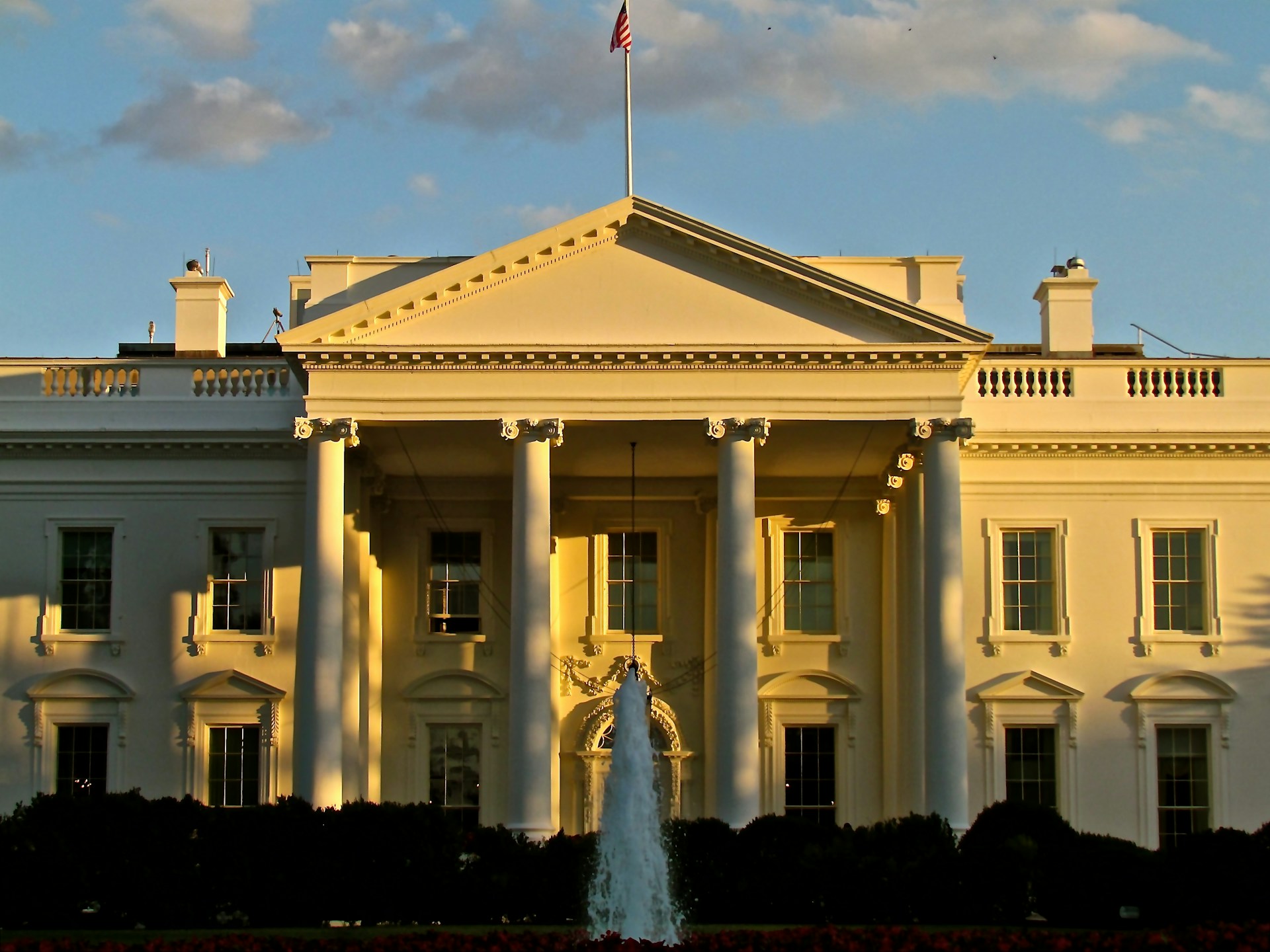
A bold new addition to the White House grounds is turning heads—and reigniting a national debate over history, heritage, and identity.
On Sunday, a newly reconstructed statue of Christopher Columbus was unveiled near the Eisenhower Executive Office Building as part of America’s upcoming 250th anniversary celebration. But this is no ordinary monument—it was rebuilt using fragments from a statue destroyed during the chaos of 2020.
From Destruction to Restoration
The original Columbus statue once stood in Baltimore before being torn down by activists and dumped into the harbor at the height of nationwide protests.
Now, in a dramatic turn of events, artists have recovered pieces of that wreckage and transformed them into a towering 13-foot, one-ton statue—now standing just steps from the White House.
The project was spearheaded by the Conference of Presidents of Major Italian American Organizations after Baltimore officials declined to reinstall a monument honoring Columbus.
Supporters say this is about more than art—it’s about restoring history that many believe was unfairly erased.
Why This Statue Matters to Millions of Americans
For over a century, Christopher Columbus has been a symbol of pride for more than 18 million Italian Americans.
Basil M. Russo, president of the organization behind the statue, explained that Columbus became a powerful figure of unity during a time when Italian immigrants faced intense discrimination in the United States.
He pointed to the origins of Columbus Day, which gained national importance following the 1891 lynching of 11 Italian immigrants in New Orleans—an event that shocked the nation and led to a push for greater acceptance of Italian Americans.
For many families, these monuments are not just historical—they are deeply personal.
The 2020 Controversy That Sparked It All
The Baltimore statue’s destruction in 2020 became part of a larger wave of monument removals across the country.
Activists argued that Columbus represented oppression and the mistreatment of indigenous populations, while others saw the removal as an attack on American history and cultural heritage.
At the time, city officials acknowledged the growing divide, saying the statue represented “different things to different people.”
That divide still exists today—but this new installation shows the conversation is far from settled.
Trump Sends a Clear Message
President Donald Trump has consistently defended Columbus and what he represents in American history.
In a proclamation last year, Trump praised Columbus as a key figure in the nation’s story and reaffirmed support for Columbus Day.
“Columbus Day—we’re back,” Trump said. “We love the Italians.”
With this new statue now standing at the White House, many see it as a clear signal that efforts to remove traditional American symbols are being pushed back.
America’s 250th Anniversary—and a Cultural Turning Point
As the United States prepares to celebrate 250 years of independence, debates over history, identity, and national pride are intensifying.
Supporters of the statue say it represents resilience, heritage, and the importance of remembering the full American story—not just parts of it.
Critics, however, are likely to continue raising concerns.
But one thing is undeniable: this new monument ensures the conversation isn’t going away anytime soon.