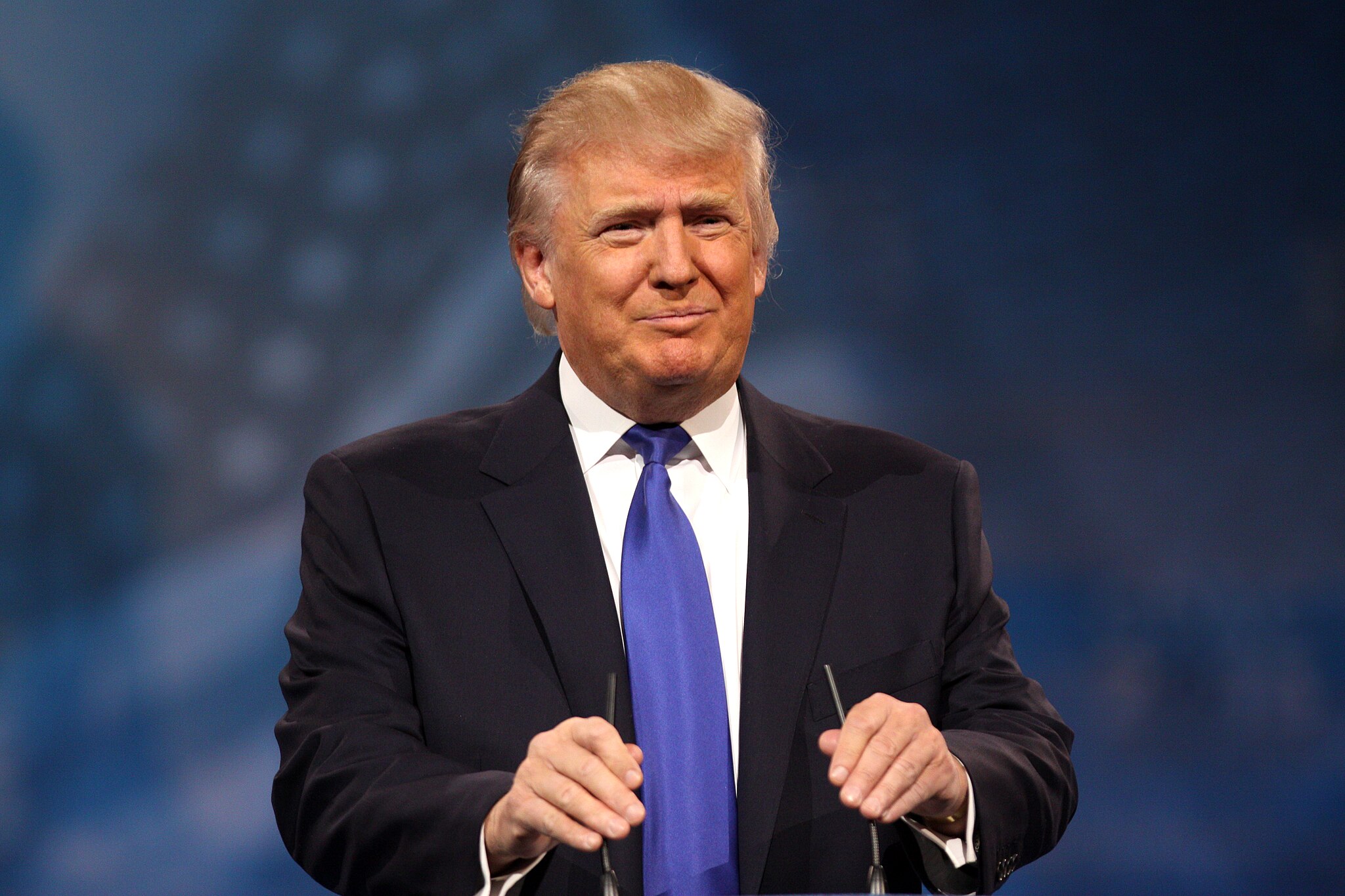
A leaked shift in policy direction has revealed President Donald Trump’s true plans for FEMA — and it’s not what the media expected.
After months of calling the agency “bloated and broken,” Trump now intends to transform FEMA from the ground up, not eliminate it. His goal: cut federal waste, eliminate red tape, and empower states to lead disaster response efforts with faster, more efficient results.
According to Homeland Security Secretary Kristi Noem, Trump’s new approach would remake FEMA into a lean, responsive backup force — not the bloated bureaucracy Americans have come to expect. “FEMA shouldn’t call the shots,” Noem said. “It should support the states, not control them.”
The move is part of a broader plan to streamline government and restore constitutional balance between Washington and state leadership. Trump has created the FEMA Review Council, a handpicked team of top experts, to advise on structural reforms.
“President Trump believes disaster response starts with local leaders — not D.C. bureaucrats,” said White House spokeswoman Abigail Jackson. “FEMA’s role should be supplemental, not dominant.”
From Bloated to Bold
Trump has long criticized FEMA, especially during the Biden years, for being slow, expensive, and poorly managed. Earlier this year, he wrote on Truth Social:
“BIDEN-RUN FEMA HAS BEEN A TOTAL DISASTER. STATES SHOULD HANDLE STORMS. BIG SAVINGS, FAR MORE EFFICIENT!!!”
At one point, Trump considered abolishing FEMA entirely, but now his administration sees an opportunity to turn it into a modern, high-impact emergency support agency.
His new strategy was put to the test after catastrophic flooding struck Kerr County, Texas, killing over 120 people. Trump immediately toured the damage, met with local leaders, and approved a rapid expansion of aid — without waiting on FEMA bureaucracy.
Noem praised the response: “We deployed DHS resources, Coast Guard, Border Patrol, even FEMA — all working under a state-led model. That’s what success looks like.”
The States Lead, Washington Follows
The reforms aren’t just about cost-cutting. They’re about restoring the proper role of government. As former FEMA Administrator Deanne Criswell admitted, “FEMA exists to support, not take over.”
Secretary Noem doubled down: “President Trump wants to empower governors, sheriffs, and local officials — not tie them up with forms and delays.”
This philosophy has already shaped policy decisions. In April, the Trump administration denied federal disaster aid to Washington State and North Carolina, citing mismanagement and overreliance on federal funds. Critics howled — but many conservatives applauded the accountability.
A First-of-Its-Kind Strategy
Noem revealed that this was the first time in U.S. history that federal resources were deployed under a “state-first” emergency model. “Money moved faster, supplies arrived sooner, and lives were saved,” she said.
DHS assets — including helicopters, rescue swimmers, and canine recovery teams — were on the ground within hours, alongside state responders.
White House Press Secretary Karoline Leavitt reinforced the message: “President Trump is focused on results, not red tape. Whether support comes from Washington or from the states, what matters is speed, efficiency, and saving lives.”
Final Word: A Smarter FEMA
This isn’t about dismantling FEMA — it’s about making it work the way it was meant to. President Trump’s vision is bold, constitutional, and overdue. In a time of growing natural disasters and national strain, the federal government must act as a partner, not a master.
Trump’s FEMA plan doesn’t just fix a broken agency — it restores trust, saves taxpayer dollars, and puts Americans first.