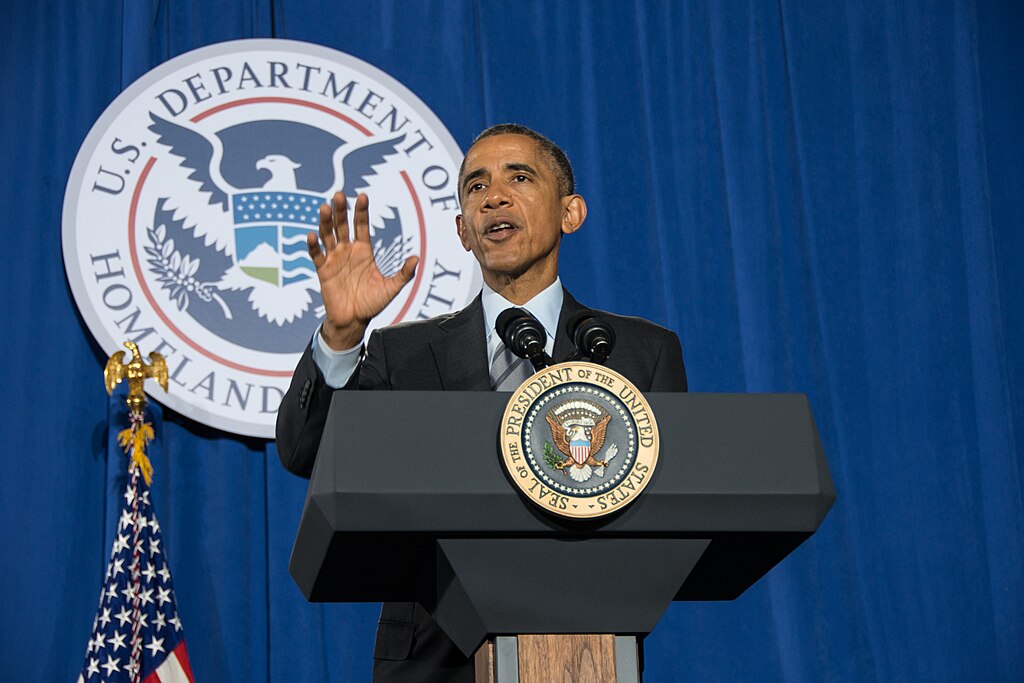
It looks like Trump could get the last laugh on Obama.
House Republicans are moving forward with a major health care bill that could reshape the future of ObamaCare — and potentially cement President Donald Trump’s long-running effort to dismantle one of Barack Obama’s most controversial policies.
GOP leaders confirmed Friday that the legislation will be brought to the House floor next week. While the bill includes several Republican-backed reforms aimed at lowering costs and increasing transparency, it does not extend the enhanced ObamaCare subsidies that are scheduled to expire at the end of the year.
That decision has ignited sharp divisions within the Republican Party — and renewed debate over the future of government-backed health care.
What the Republican Health Care Bill Does
The proposal, officially titled the “Lower Health Care Premiums for All Americans Act,” combines several policies that have already passed through key House committees.
According to Republican aides, the bill focuses on reducing premiums, increasing competition, and limiting behind-the-scenes industry practices that critics say drive up costs for seniors and working families.
Key provisions include:
- Funding cost-sharing reductions within ObamaCare plans, a technical change that lowers premiums for some enrollees while reducing the overall subsidy burden.
- Expanded transparency requirements for pharmacy benefit managers (PBMs), an industry long criticized for inflating prescription drug prices.
- Expansion of association health plans, allowing small businesses and trade groups to band together for more affordable coverage.
- New protections for employer-funded insurance plans, helping businesses avoid bankruptcy from catastrophic medical claims.
Republicans say the bill reflects a shift away from heavy government control and toward market-driven health care solutions.
Why ObamaCare Subsidies Were Left Out
The most controversial element of the bill is what it does not include: an extension of enhanced ObamaCare subsidies created under Democratic leadership.
Those subsidies are set to expire at the end of the year, a change that could result in higher premiums for millions of Americans if Congress takes no action.
Conservatives argue the subsidies are costly, distort the insurance market, and artificially prop up a system they believe is fundamentally broken. Moderates, especially those representing competitive districts, warn that allowing them to expire could carry political risks.
To address internal disagreements, House Republican leaders have agreed to allow a floor amendment vote on extending the subsidies — though the exact language of that amendment has not been finalized.
“The process will allow for that amendment,” a GOP leadership aide said, signaling an effort to give members a chance to go on record without committing the party to the policy.
A Vote That May Be More Symbolic Than Substantive
Even if an amendment to extend subsidies is introduced, it faces long odds.
Democrats are not expected to support it, and conservative Republicans have warned that including such a provision could derail the entire bill. Party leaders have acknowledged that any subsidy amendment would likely serve as political cover for moderates rather than a realistic path to becoming law.
Republican leadership ultimately chose to exclude the subsidy extension from the main bill, citing strong opposition within the party and concerns it would weaken broader reform efforts.
Democrats Sound the Alarm
Democrats have already begun attacking the proposal.
House Minority Leader Hakeem Jeffries warned that the Republican plan could reduce coverage and increase costs, arguing that it fails to address what Democrats describe as a looming health care crisis.
Republicans counter that Democrats are defending a bloated system that has driven premiums higher for years and left taxpayers on the hook for ever-growing subsidies.
What Happens Next
The bill is expected to face a high-profile House vote next week, setting up another major showdown over the future of American health care under President Donald Trump.
Supporters say the legislation represents a serious step toward ending ObamaCare’s dominance and restoring consumer choice, transparency, and fiscal discipline to the system.
While the debate over subsidies is far from settled, one thing is clear: Republicans are signaling that the Obama-era approach to health care may be nearing its end — and President Trump’s push to erase his predecessor’s legacy is far from over.