Here’s what happened.
President Donald Trump traveled to Fort Bragg on Friday to personally recognize U.S. Special Forces members and their families following January’s high-risk mission that led to the capture of Venezuelan leader Nicolás Maduro and his wife, Cilia Flores.
The visit underscores what the administration describes as a renewed focus on military readiness, energy security, and American strength abroad.
Honoring America’s Special Operators
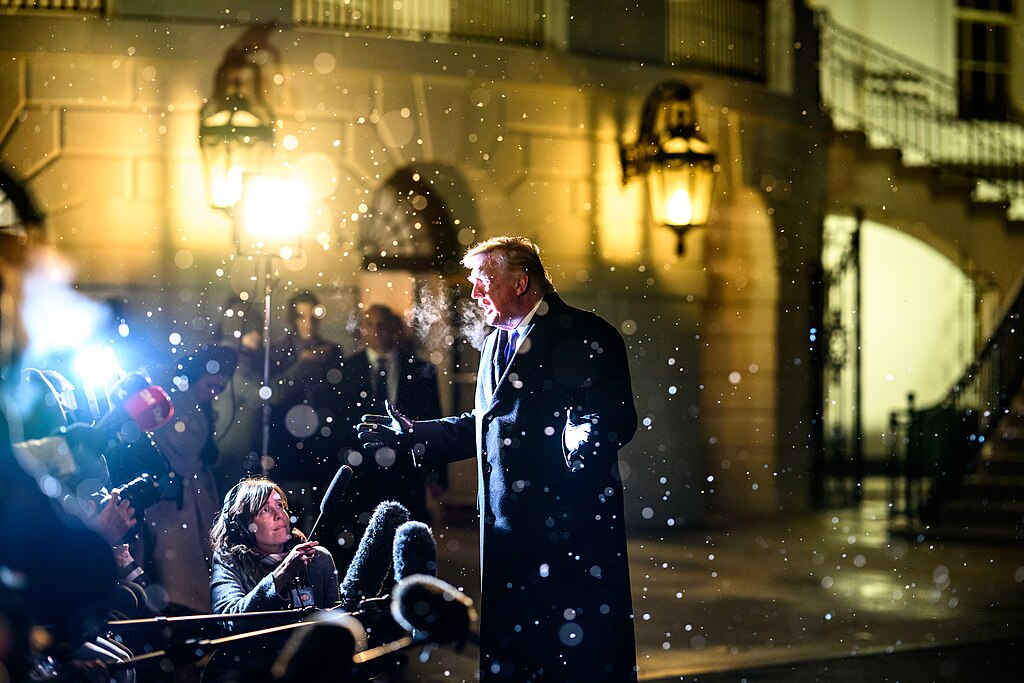
Speaking before troops and their families at one of the nation’s most important special operations bases, President Trump expressed gratitude and pride in the soldiers who carried out what he has called a “spectacular” mission.
“There is no greater honor than serving as your commander in chief,” Trump said, thanking the operators and their families for their sacrifices.
Fort Bragg remains one of the largest home stations for U.S. Army Special Operations Forces, including elite units responsible for complex overseas missions.
Nearly 200 U.S. service members participated in the January operation, officially known as Operation Absolute Resolve. Seven American troops were reported injured during the mission.
Venezuela’s defense ministry claimed 83 fatalities on its side, including security personnel and Cuban advisers.
The Pentagon has declined to release detailed operational information.
Political Stakes Ahead of the Midterm Elections
During his remarks, President Trump also discussed the importance of military funding and leadership in Washington.
He referenced the base’s temporary renaming during the Biden administration and warned that future political shifts could once again alter military priorities. The base had briefly been renamed Fort Liberty before reverting back.
The president emphasized that continued investment in national defense would remain a priority if voters maintain current leadership in Congress.
Venezuela’s Leadership Transition and Energy Deal
Following Maduro’s capture, Vice President Delcy Rodríguez assumed control of Venezuela’s interim government.
Rodríguez has publicly defended Maduro and Flores, maintaining their innocence. However, U.S. officials have stated they intend to maintain influence during Venezuela’s political transition.
In late January, Washington signed a major energy agreement with the interim Venezuelan government. The deal allows the United States to market Venezuelan crude oil, with proceeds directed into U.S.-controlled accounts pending future distribution.
For many Americans concerned about energy independence and foreign policy stability, the agreement represents a significant development in Western Hemisphere diplomacy.
Growing Global Tensions and U.S. Military Posture
Fort Bragg houses units capable of rapid deployment to global hotspots, including the Middle East.
The visit comes as the United States has increased its military presence in the region, including deployment of the aircraft carrier USS Gerald R. Ford.
President Trump has said he prefers diplomatic solutions but has warned adversaries that the United States will defend its interests if necessary.
“Our military is stronger and better equipped than ever,” Trump said. “Recruitment numbers are extremely strong.”
Advanced Technology and the “Discombobulator”
In a recent interview with NBC News, Trump hinted at advanced technology used during the Venezuela operation, referring to it as a “discombobulator.”
While declining to provide details, he suggested the system disrupted enemy communications and equipment during the mission.
“None of their equipment worked,” Trump said. “Everything was completely disoriented.”
Defense officials have not publicly confirmed specific technologies used.
A Message to Military Families
First Lady Melania Trump joined the president and spent time meeting with military families on base.
For many Americans — particularly veterans and families with military ties — the visit served as a reminder of the human cost behind complex international operations.
As the midterm elections approach, issues such as military funding, energy security, and American global leadership are likely to remain central topics in national debate.