Here’s what Americans should know.
Air travelers across the United States are running into long security lines, flight delays, and growing frustration as the spring break travel season ramps up.
With millions of Americans heading to airports over the next several weeks, industry leaders warn that the ongoing partial government shutdown could make an already busy travel season even more difficult for passengers.
Airports are now preparing for what could become one of the heaviest travel surges in U.S. history.
Record Spring Break Travel Expected
According to a forecast from Airlines for America (A4A), roughly 171 million passengers are expected to fly during March and April, marking a 4 percent increase over last year’s record travel levels.
Airlines have already attempted to prepare for the surge by expanding capacity.
Industry data shows airlines added roughly 2 percent more flights and available seats this season to accommodate rising demand.
However, increased passenger volume combined with federal staffing challenges is creating serious pressure on airport operations.
TSA Struggling With Staffing Issues
The Transportation Security Administration (TSA) is currently facing mounting strain as the Department of Homeland Security (DHS) remains without full funding for a fourth consecutive week.
TSA officers are still required to work during the shutdown, but many are doing so without pay, leading to growing staffing shortages at airports nationwide.
Cameron Cochems, a lead TSA officer based in Boise, Idaho, warned that the situation may worsen as spring break travel continues.
“It’s not sustainable,” Cochems said. “As the travel season ramps up, the lines are likely going to continue getting longer.”
He also noted that TSA workers often bear the brunt of passenger frustration.
“Passengers become frustrated with the long waits,” he explained. “Unfortunately, that frustration sometimes gets directed at the officers standing right in front of them.”
Long Security Lines Already Appearing
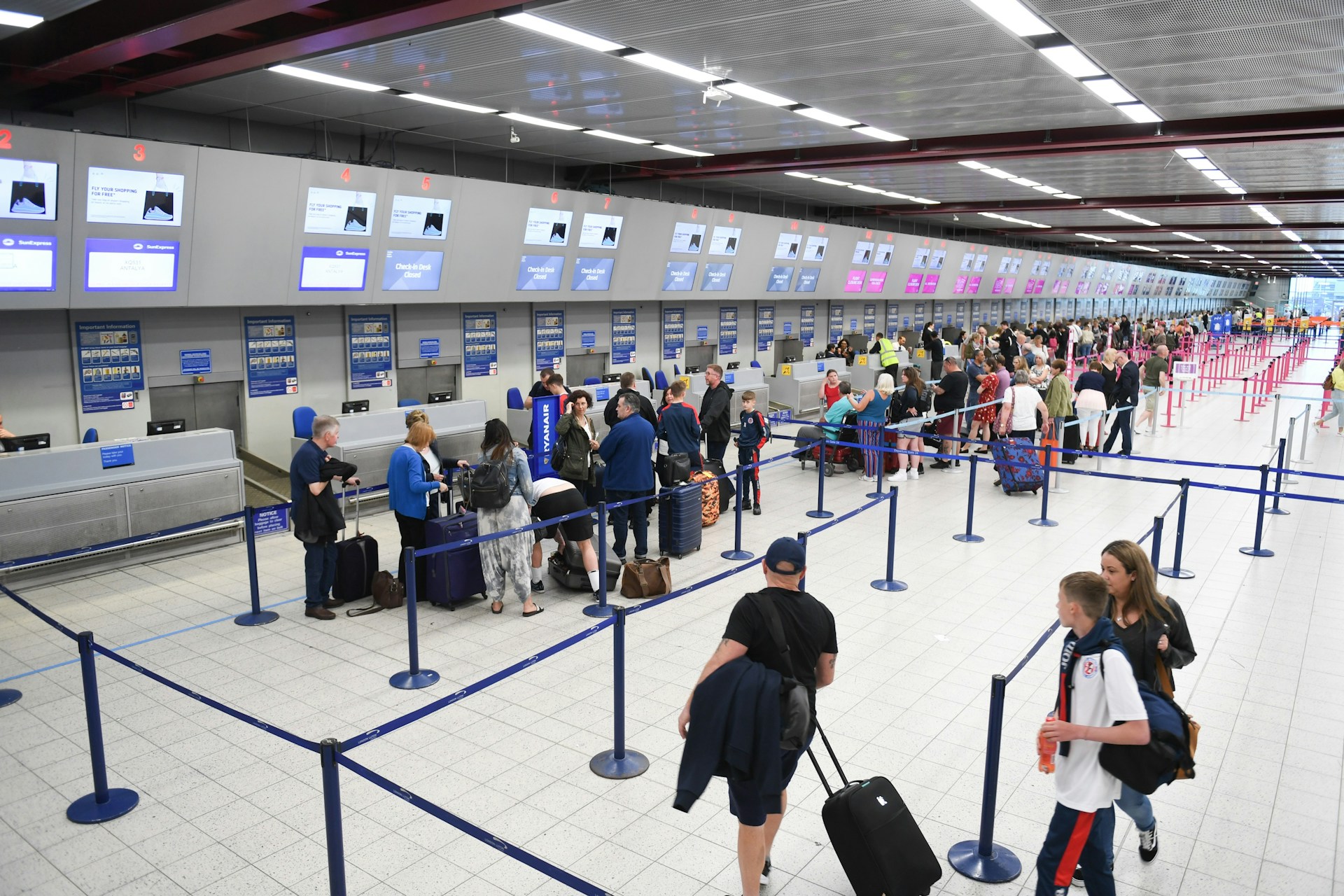
Several major airports have already reported hours-long security lines during the first wave of spring break travel.
At Houston’s Hobby Airport, passengers were advised to arrive four to five hours before their flights due to security delays that stretched two to three hours.
Airport officials in New Orleans recommended travelers arrive at least three hours early, while similar warnings were issued at Atlanta’s Hartsfield-Jackson International Airport, the busiest airport in the world.
To help manage the surge, TSA has deployed its National Deployment Force (NDF) — a team of security officers who can be temporarily reassigned to airports experiencing heavy passenger traffic.
Todd Hauptli, president and CEO of the American Association of Airport Executives, compared the deployment team to a rapid-response unit.
“They can move quickly to different airports that need additional staffing support,” Hauptli said. “It allows TSA to shift resources where they’re needed most.”
TSA Workforce Shrinking During Shutdown
Despite the emergency deployments, TSA officials are facing another problem: a growing number of officers leaving the agency.
According to internal data, more than 300 TSA officers have left their positions since the shutdown began on February 14, while call-out rates have more than doubled.
Normally, TSA experiences an attrition rate of about 2 to 3 percent, but that number has reportedly jumped to roughly 7 percent during the shutdown period.
Industry leaders warn the numbers could climb further if the situation continues.
“If this goes on much longer, we could see that attrition number rise significantly,” Hauptli said.
Travel Industry Warns of Economic Impact
Beyond airport frustration, travel experts warn the situation could also affect the broader economy.
Erik Hansen, head of government relations for the U.S. Travel Association, said some Americans may simply cancel their spring break plans if travel becomes too stressful.
“We’re right in the middle of the spring break travel season,” Hansen said. “If travelers decide the hassle isn’t worth it and stay home, that could have economic consequences.”
Reduced travel could impact airlines, hotels, restaurants, and tourism businesses across the country.
“When people cancel trips, real money is lost for travel companies and local economies,” Hansen added.
Financial Stress Growing for TSA Officers
Meanwhile, many TSA employees say the shutdown has created serious financial strain.
Some officers have reportedly taken second jobs or even donated plasma in order to cover basic expenses like gas, groceries, and child care.
Cochems also raised concerns that financial stress could make the job even more difficult.
“When officers are worried about paying bills or covering their mortgage, that can weigh on their minds while they’re working,” he said.
Despite the challenges, many travelers have shown appreciation for TSA staff during the difficult period.
Some passengers have brought pizza, gift cards, and small donations to airports as gestures of support.
Hansen encouraged travelers to continue showing appreciation when possible.
“It may not solve the larger problem,” he said, “but it reminds these workers that people value the job they’re doing.”
Travelers May Need to Plan Ahead
With spring break travel just getting underway in many regions of the country, industry experts expect airport congestion to continue in the weeks ahead.
Travelers planning flights may want to arrive earlier than usual, allow extra time for security screening, and prepare for potential delays.
As passenger numbers climb and staffing shortages remain unresolved, airports across the country are likely to remain under heavy pressure during one of the busiest travel seasons of the year.