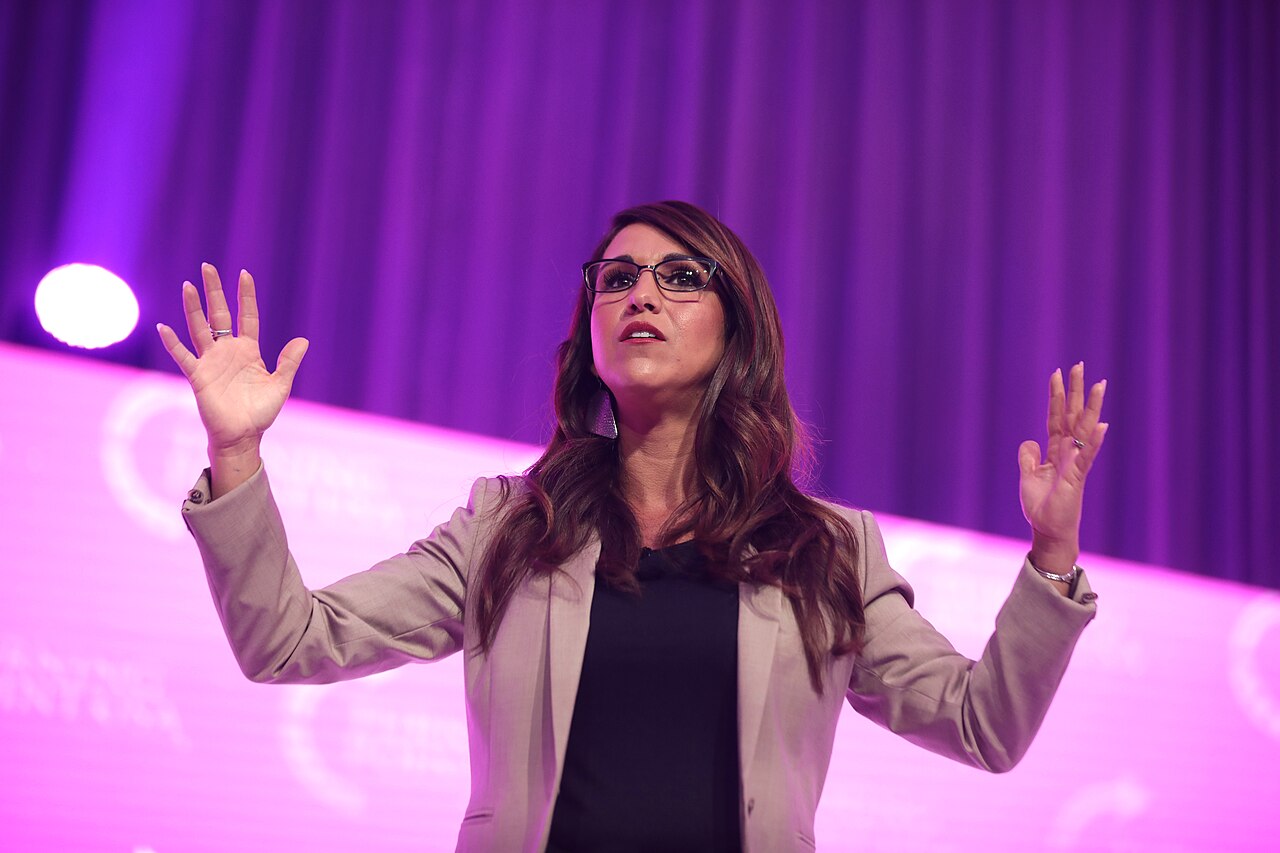
A surprising shift inside the Republican Party is raising new questions about unity, spending, and the direction of U.S. foreign policy under President Donald Trump.
Rep. Lauren Boebert (R-Colo.), widely seen as one of Trump’s strongest allies in Congress, is now publicly opposing a massive new funding proposal tied to the ongoing Iran conflict — a move that’s turning heads across Washington.
Boebert Draws a Hard Line on War Spending
In a direct and unmistakable statement, Boebert confirmed she will not support any additional funding tied to the conflict.
“I will not vote for any war supplemental funding. I’ve made that clear to leadership — I’m a no,” she said during an interview.
Her stance puts her at odds with some Republicans pushing to approve as much as $200 billion in additional military funding, a number that has sparked concern among fiscal conservatives.
“America First” Message Takes Center Stage
Boebert’s position reflects a growing sentiment among many conservative voters — that Washington should refocus on problems at home before committing more resources overseas.
She pointed to rising costs of living and economic strain facing everyday Americans.
“Families are struggling right now,” she said. “We should be putting Americans first instead of sending billions abroad.”
Her remarks echo long-standing concerns about excessive government spending and what critics often describe as the expansion of the military-industrial system.
Cracks Begin to Show Inside Trump’s Political Base
While President Trump continues to hold strong support among Republican voters, disagreements are beginning to emerge within his broader coalition.
In recent weeks, several influential voices — including popular commentators and podcast hosts — have questioned whether ongoing military involvement aligns with Trump’s earlier promises to reduce foreign conflicts.
That debate is now spilling into Congress, making it harder for GOP leaders to unify around major spending decisions.
Midterm Elections Add Pressure
With the next election cycle approaching, Boebert warned that continued foreign spending could hurt Republicans politically.
She emphasized that voters are increasingly focused on domestic priorities such as:
- Border security
- Election integrity
- Surveillance reform
- Economic stability
“We need to get back to the issues that matter most to the American people,” she said. “If we don’t, keeping our majority could become much more difficult.”
Final Call Still Belongs to President Trump
Despite her opposition, Boebert stopped short of directly challenging President Trump’s authority on foreign policy decisions.
When asked whether the U.S. should pull back from Iran, she responded simply that the decision ultimately rests with the president.
What This Means Moving Forward
This development highlights a growing balancing act inside the Republican Party — between maintaining strong national defense and responding to voter concerns about spending and priorities at home.
As debates continue, one thing is clear: the conversation around “America First” is far from over.