Nobody expected to see this.
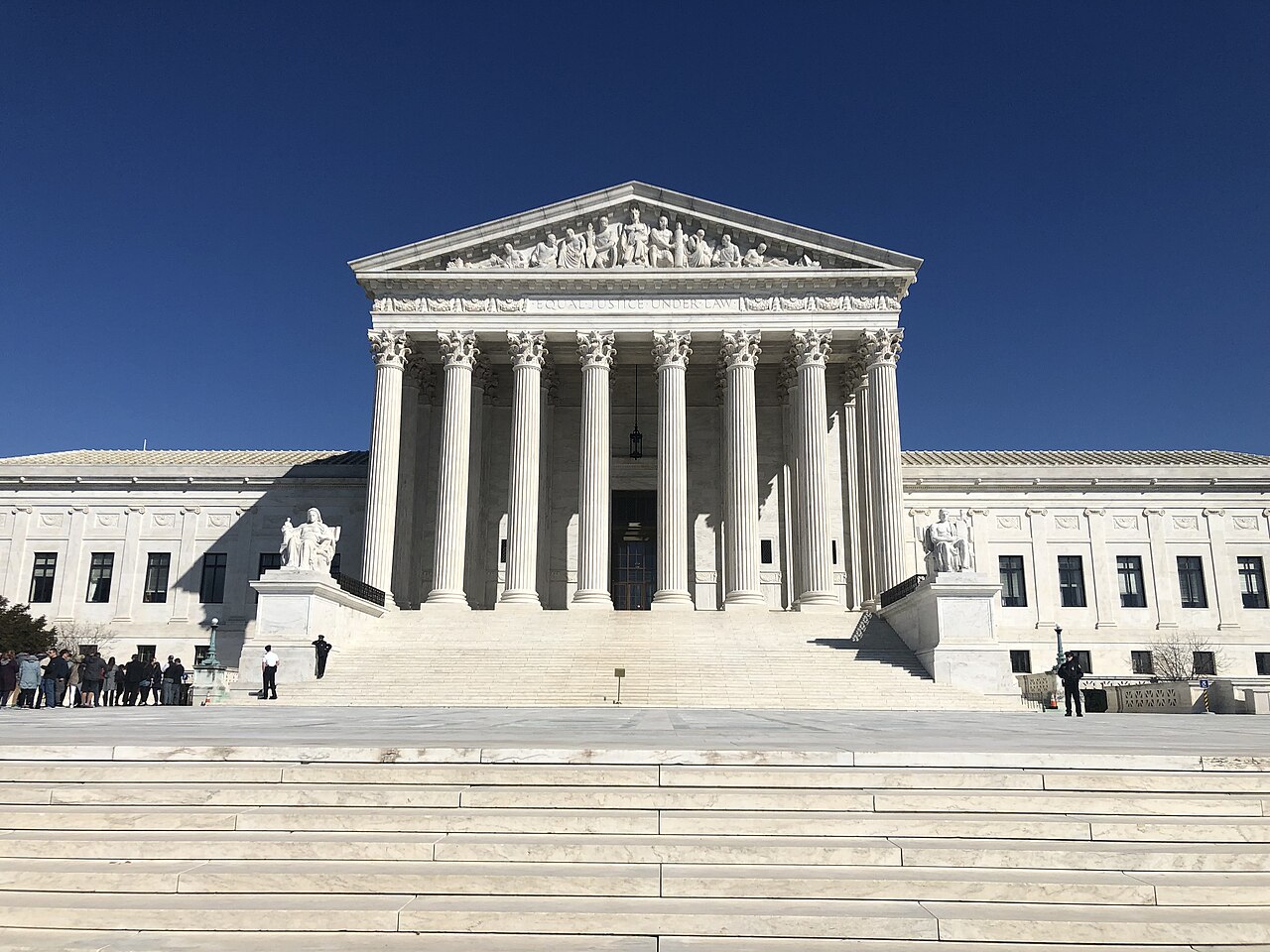
The U.S. Supreme Court delivered intense scrutiny Wednesday as justices questioned the legality of President Donald Trump’s executive order aimed at ending automatic birthright citizenship.
The case—already blocked by lower federal courts—could reshape immigration law, constitutional interpretation, and federal authority for generations.
Supreme Court Presses Trump Administration on Constitutional Limits
During oral arguments, justices from across the ideological spectrum challenged the Trump administration’s legal reasoning, signaling that the outcome remains uncertain.
Chief Justice John Roberts raised early concerns about how the administration interprets the 14th Amendment, particularly the phrase “subject to the jurisdiction thereof.”
Roberts questioned whether narrow historical exceptions—such as children of diplomats or foreign enemies—can justify a broader restriction affecting children born to illegal immigrants.
“It’s a new world,” the administration argued.
“It’s the same Constitution,” Roberts responded.
That exchange underscores the central legal tension: Can modern immigration realities justify reinterpreting long-established constitutional protections?
Trump Makes Historic Supreme Court Appearance
In a historic first, President Trump attended the oral arguments in person, becoming the first sitting U.S. president to observe proceedings at the Supreme Court.
He was joined by Attorney General Pam Bondi, highlighting the administration’s commitment to defending the executive order.
Trump departed before arguments concluded, but his presence alone signaled the political and legal importance of the case.
Conservative Justices Signal Divided Views
Despite expectations of strong support, several conservative justices expressed hesitation.
- Justice Brett Kavanaugh suggested the Court could avoid a constitutional ruling altogether by focusing on federal statutory law.
- Justice Neil Gorsuch questioned whether immigration status should influence citizenship rights under existing precedent.
- Justice Amy Coney Barrett warned that overturning decades of interpretation could lead to widespread legal complications.
Only Justices Clarence Thomas and Samuel Alito appeared more consistently aligned with the administration’s position.
Liberal Justices Push Back on Policy Change
The Court’s liberal wing strongly challenged the executive order, emphasizing longstanding precedent and warning against redefining constitutional guarantees.
Their questions suggested deep skepticism toward limiting birthright citizenship under current law.
Key Legal Issue: The 14th Amendment and Citizenship Rights
At the center of the dispute is the 14th Amendment, which states that all persons born in the United States—and subject to its jurisdiction—are citizens.
The Trump administration argues that individuals in the country illegally are not fully subject to U.S. jurisdiction, and therefore their children should not automatically receive citizenship.
However, past Supreme Court rulings—especially the landmark 1898 case—have broadly upheld birthright citizenship regardless of parental status.
Immigration Policy, Birth Tourism, and National Impact
The administration has emphasized concerns over:
- Illegal immigration incentives
- Birth tourism practices
- Strain on public resources and social systems
Supporters argue that reform is necessary to protect national sovereignty and restore the original intent of the Constitution.
Critics warn that changing the policy could create legal uncertainty and affect millions of families.
What Happens Next: A Landmark Decision Ahead
The Supreme Court is expected to issue its ruling by the end of June.
Legal experts say the decision could:
- Redefine citizenship law in the United States
- Set new limits on executive power
- Influence future immigration enforcement policies
Bottom Line
This case is more than a legal debate—it’s a defining moment for how America interprets its Constitution in a rapidly changing world.
With both sides presenting strong arguments, the final ruling could leave a lasting mark on the nation’s legal and political landscape.