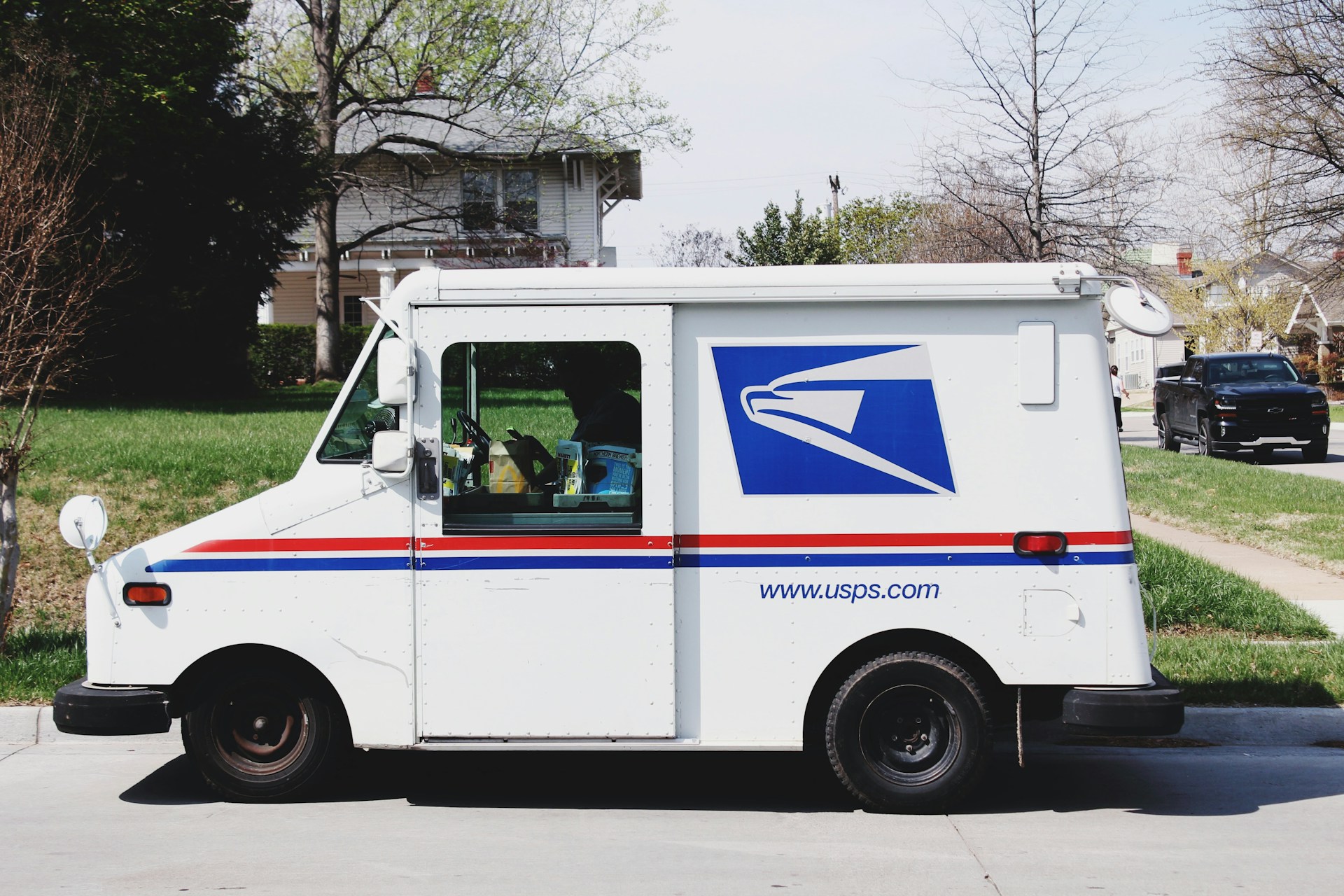
The U.S. Postal Service (USPS) is rolling out major changes that could directly impact your wallet, your mail delivery, and the future of this historic American institution.
With financial pressure mounting, the agency is making bold moves to stay afloat—and many Americans are asking the same question: What happens next?
USPS Takes Emergency Action to Stay Afloat
In a dramatic step, USPS announced it will temporarily pause employer contributions to the Federal Employees Retirement System (FERS).
This move is designed to free up cash immediately, allowing the Postal Service to:
- Continue paying workers
- Keep trucks moving
- Maintain nationwide mail delivery
Officials say the decision comes as USPS faces a deepening financial crisis that cannot be ignored.
According to internal warnings, the agency could run out of money by early 2027 if major reforms are not made.
Stamp Prices Set to Rise Again
Americans should also prepare for higher postage costs.
USPS has formally proposed raising the price of a First-Class Forever stamp from 78 cents to 82 cents—a move that now awaits approval from regulators.
If approved, the increase would impact:
- Everyday mail
- Postcards
- International letters
While USPS claims rates remain “affordable,” many Americans—especially retirees on fixed incomes—are already feeling the squeeze.
Temporary Relief—But Bigger Problems Ahead
To buy time, the Postal Regulatory Commission has granted USPS a temporary financial waiver.
This allows the agency to redirect billions of dollars that were previously set aside for retiree benefits—giving USPS what officials call “breathing room.”
But make no mistake:
👉 This is a short-term fix, not a long-term solution.
Trump-Era Leadership Pushes for Major Reform
Postmaster General David Steiner is now calling for sweeping changes to stabilize the Postal Service long-term.
Key proposals include:
- Increasing the USPS borrowing limit from $15 billion to $34.5 billion
- Giving USPS more control over postage pricing
- Reforming outdated pension funding rules
- Allowing smarter investment of retirement funds
Supporters argue these changes are long overdue and reflect the kind of common-sense reforms President Donald Trump has long championed—cutting red tape and modernizing outdated government systems.
Mail Volume Collapse Is Driving the Crisis
The core problem is simple: Americans are sending less mail than ever before.
Since 2006:
- Mail volume has dropped from 220 billion pieces to just 110 billion
- Digital communication has replaced traditional letters
- USPS revenue struggles to keep up with rising costs
Even with growth in package delivery, the numbers remain grim:
- $9 billion loss in 2025
- $9.5 billion loss in 2024
What This Means for Everyday Americans
For now, here’s what you can expect:
✔️ Likely higher stamp prices
✔️ No immediate impact on retirement benefits
✔️ Continued six-day mail delivery (for now)
But without action from Congress, more serious changes could be coming.
The Bigger Picture
For millions of Americans—especially older citizens who depend on reliable mail service—this situation raises serious concerns.
It also highlights a larger issue:
What happens when a government-run system can’t keep up with modern reality?
Many conservatives argue this is exactly why efficiency, accountability, and reform are more important than ever.
Bottom Line
The USPS is taking emergency steps to survive—but the clock is ticking.
Without real reform from Washington, the future of one of America’s oldest institutions could hang in the balance.
And for everyday Americans, that could mean higher costs, slower service, and more uncertainty ahead.