Republican senators are preparing to challenge two of President Trump’s top priorities, setting the stage for a major showdown inside the GOP.
President Donald Trump is heading into what could be one of the most difficult meetings of his second term as Senate Republicans prepare to push back against two of his biggest priorities: the SAVE America Act and a controversial agreement involving Iran.
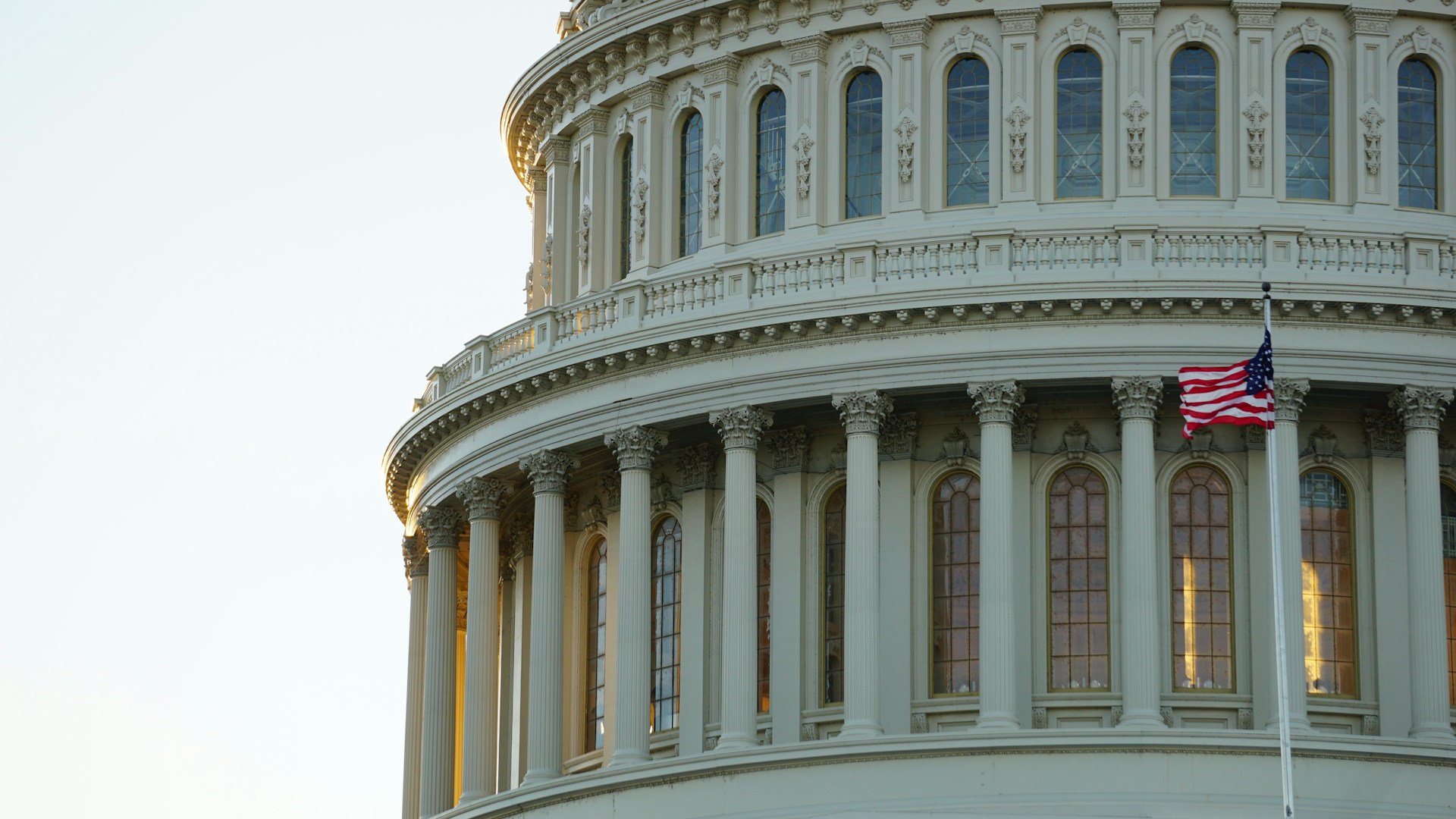
The high-stakes meeting on Capitol Hill is expected to expose growing tensions between the White House and key Republican senators, many of whom believe Trump’s goals face serious obstacles in the Senate.
While Republicans remain united on many major issues, disagreements over election reform and foreign policy have created some of the deepest divisions seen within the party this year.
Trump Faces Resistance From Senate Republicans
Republican senators are reportedly bracing for a candid discussion when Trump meets with lawmakers behind closed doors on Wednesday.
The meeting comes after weeks of growing frustration between the White House and Senate Republicans, particularly over legislative strategy and the limits of what can realistically pass through Congress.
Several GOP lawmakers are expected to tell the president directly that they do not have the votes needed to advance one of his most important legislative priorities.
That message could create an uncomfortable moment for a president known for aggressively pushing his agenda and demanding results.
One Republican strategist described the upcoming meeting as highly unpredictable, noting that Trump has a history of challenging lawmakers who stand in the way of his objectives.
SAVE America Act Hits Major Roadblock
At the center of the dispute is the SAVE America Act, an election reform proposal that Trump has repeatedly described as one of his administration’s top priorities.
The legislation has faced multiple setbacks in the Senate despite strong support from conservative activists and many House Republicans.
Trump has urged Senate Republicans to find a way to move the bill forward, even suggesting significant changes to long-standing Senate procedures.
However, Senate Majority Leader John Thune has repeatedly argued that Republicans simply do not have enough support within their own conference to make those changes happen.
According to several senators, the math is straightforward: there are not enough votes to advance the legislation under current Senate rules.
That reality has created growing frustration among supporters of the bill and intensified pressure on Republican leadership.
Filibuster Fight Divides Republicans
One of the biggest disagreements involves the Senate filibuster.
Trump has pushed Republicans to consider major procedural changes that could help advance the SAVE America Act despite Democratic opposition.
But many Senate Republicans have firmly rejected those proposals.
Thune has consistently argued that eliminating or weakening the filibuster would be a mistake and lacks sufficient support among Republican senators.
Several lawmakers have also defended the Senate parliamentarian after Trump criticized rulings that blocked parts of the legislation from moving forward through the budget reconciliation process.
Republican leaders warn that overturning decades of Senate precedent could create long-term consequences that would eventually hurt conservatives as well.
GOP Senators Push Back
Some Republican senators are becoming increasingly vocal about the political reality facing the legislation.
Texas Sen. John Cornyn recently acknowledged that Senate leaders have already explained to Trump that the votes simply are not there.
Cornyn also criticized Republicans who continue suggesting there is an easy path to victory, warning that unrealistic expectations are fueling unnecessary conflict within the party.
Meanwhile, Utah Sen. Mike Lee has remained one of the legislation’s strongest supporters and continues urging Republican leaders to keep fighting for its passage.
The debate has exposed a growing divide between Republicans focused on procedural realities and conservatives determined to continue pressing the issue.
Iran Agreement Sparks New Tensions
Election reform is not the only issue creating friction.
Another major source of disagreement involves the Trump administration’s memorandum of understanding with Iran regarding the reopening of the Strait of Hormuz.
The strategic waterway is one of the most important energy shipping routes in the world, making any agreement involving the region a matter of significant national security concern.
Several Republican senators have expressed frustration over what they view as a lack of transparency surrounding the agreement.
Lawmakers reportedly requested additional briefings and details but were dissatisfied with the information they received.
As a result, skepticism about the agreement has continued to grow among Senate Republicans.
Many lawmakers want stronger guarantees that any easing of pressure on Iran would be tied to meaningful changes in the regime’s behavior.
More Conflict Ahead
The meeting could also include discussion about judicial nominations and Senate traditions that Trump believes are slowing down his agenda.
The president has recently criticized Senate practices that allow lawmakers to block certain federal nominees within their home states.
Some Republicans agree reforms should be considered, but others argue that long-standing Senate rules should remain in place.
North Carolina Sen. Thom Tillis recently described efforts to eliminate both the filibuster and other Senate traditions as non-starters, signaling that resistance remains strong.
What Happens Next?
Wednesday’s meeting may provide the clearest picture yet of where Trump’s relationship with Senate Republicans stands heading into the 2026 midterm election cycle.
While the president continues to command strong support from Republican voters, many senators appear increasingly willing to challenge him on issues where they believe success is unlikely.
The outcome could have major implications for election reform, foreign policy, judicial nominations, and the broader direction of the Republican Party.
For now, one thing is clear: two of Trump’s biggest priorities are facing serious resistance from within his own party, setting up a critical test of influence inside the GOP at a pivotal moment.