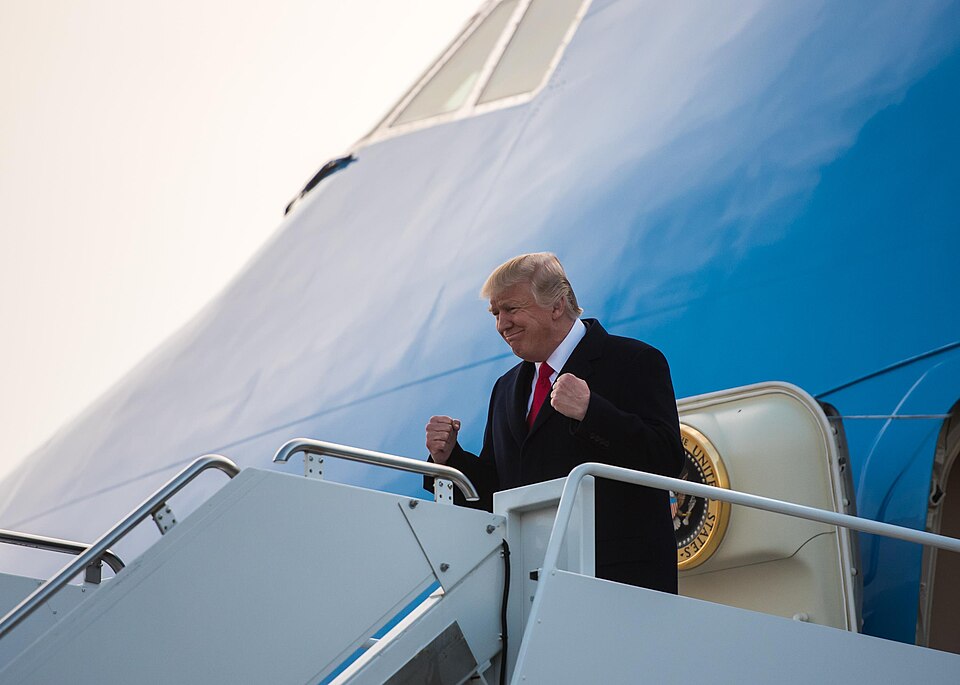
Trump Extends His New H-1B Requirement
President Donald Trump has extended a controversial $100,000 payment requirement for certain H-1B visa petitions for another year, keeping one of his administration’s most closely watched immigration and employment policies in place while federal court challenges continue.
The H-1B visa program allows U.S. employers to temporarily hire foreign workers in specialty occupations, including many jobs in technology, engineering, science and other highly skilled fields.
For years, the program has been caught in a broader debate over American jobs.
Supporters say H-1B visas help U.S. companies fill positions requiring specialized skills when qualified domestic workers are difficult to find. Critics argue that some employers have used the program to reduce labor costs or hire foreign workers for positions that could otherwise go to Americans.
Trump’s latest action places that dispute back in the spotlight.
What Trump’s H-1B Extension Does
The policy requires a separate $100,000 payment for certain new H-1B petitions involving workers who are outside the United States and need permission to enter the country before beginning employment.
The requirement does not apply in exactly the same way to every H-1B visa holder or every petition.
Trump first imposed the policy in September 2025. It had been scheduled to expire in September 2026 before the administration extended it for another year.
The White House has argued that tighter H-1B rules are necessary to protect American workers and discourage employers from relying on lower-cost foreign labor.
At the same time, employers that depend heavily on skilled foreign workers say sharply higher costs could make it harder to recruit certain specialists.
Why H-1B Visas Matter to American Workers
The central dispute surrounding the program is whether H-1B visas primarily fill genuine skill shortages or create additional competition for U.S. workers.
That question has been debated for decades.
Some labor advocates and immigration restriction groups say companies can sometimes use visa programs to hold down wages or replace American employees.
Business organizations counter that many companies face shortages in specialized fields and need access to workers from around the world to remain competitive.
For Americans concerned about job security, the issue has become especially significant as technology, artificial intelligence, outsourcing and global hiring reshape the labor market.
That makes changes to the H-1B system more than an immigration issue. They can also affect wages, hiring practices, business investment and where companies choose to expand.
Technology Companies Are Major H-1B Users
Technology companies have historically been among the biggest users of H-1B visas.
Workers from India and China account for a significant share of visa recipients, particularly in technology and engineering fields.
Major employers have argued that access to international talent is important because competition for highly trained workers is global.
However, critics of the existing system say companies should make greater efforts to recruit and train Americans before turning to overseas workers.
The disagreement has created an unusual political divide in which some business groups favor greater access to visas while immigration restriction advocates push for tougher rules.
$100,000 Requirement Faces Legal Challenges
Trump’s H-1B policy is also being fought in federal court.
A federal judge ruled in June that the $100,000 requirement was unlawful and blocked the government from collecting the payment.
That ruling is now being reviewed by the 1st U.S. Circuit Court of Appeals.
A separate case is being considered by the U.S. Court of Appeals for the District of Columbia Circuit.
That dispute involves a challenge brought by the U.S. Chamber of Commerce, one of the nation’s largest business organizations.
Because those cases remain unresolved, the long-term future of the policy could depend on how the appeals courts interpret the president’s authority over immigration and visa entry requirements.
Business Groups Warn About Higher Hiring Costs
Companies that rely on H-1B workers say the $100,000 payment could dramatically increase the cost of hiring certain foreign employees.
Business organizations have also warned that tougher U.S. visa policies could encourage companies to move more jobs or operations overseas.
Some major technology companies have already expanded their presence in countries such as India, where large pools of skilled workers are available.
That creates a complicated policy question.
Restrictions intended to encourage companies to hire more Americans could potentially increase domestic hiring in some circumstances. On the other hand, companies may decide that moving certain operations overseas is less expensive than paying significantly higher U.S. visa costs.
The ultimate effect will likely depend on the industry, the type of job and how companies respond to the new costs.
Trump Administration Focuses on Protecting U.S. Jobs
Trump has made immigration enforcement and the protection of American workers major priorities of his administration.
His approach to H-1B visas reflects that broader agenda.
Supporters of tighter restrictions argue that immigration policy should put American workers first and that businesses should not receive incentives to bypass qualified U.S. applicants.
Business groups take a different view, arguing that restricting access to global talent could make American companies less competitive.
Neither argument resolves every concern surrounding the program.
The H-1B debate involves several competing priorities, including wages, worker protections, immigration enforcement, technological innovation and the ability of American companies to compete internationally.
What Happens Next
The immediate future of the $100,000 H-1B requirement will depend heavily on the courts.
If federal appeals courts uphold the policy, employers seeking certain foreign workers could continue facing substantially higher costs.
If the courts ultimately rule that the administration exceeded its legal authority, the requirement could be blocked or modified.
Congress could also become involved because lawmakers created the H-1B visa program in 1990 and have authority to change the underlying immigration laws.
For now, employers, foreign workers and American job seekers will be watching closely.
The Bigger Question for American Workers
The H-1B controversy highlights a larger debate that has existed for years: how should the United States balance legal immigration with the interests of American workers?
Supporters of tighter visa rules say companies should hire and train Americans whenever possible before looking overseas.
Employers argue that specialized foreign workers can help American companies grow, innovate and create additional jobs.
Trump’s decision to extend the $100,000 requirement guarantees that this debate will continue.
With legal challenges still underway and businesses adjusting their hiring strategies, H-1B policy is likely to remain an important issue for employers and workers alike.
For Americans watching the labor market, the key question remains straightforward: Should U.S. companies face tougher requirements before hiring skilled foreign workers, or could those restrictions ultimately push more jobs and investment overseas?