This was a surprising discovery.
President Donald Trump’s latest political endorsement has sparked unexpected backlash from one of his most recognizable MAGA allies, exposing a disagreement over foreign aid, national security, and America’s relationship with Israel.
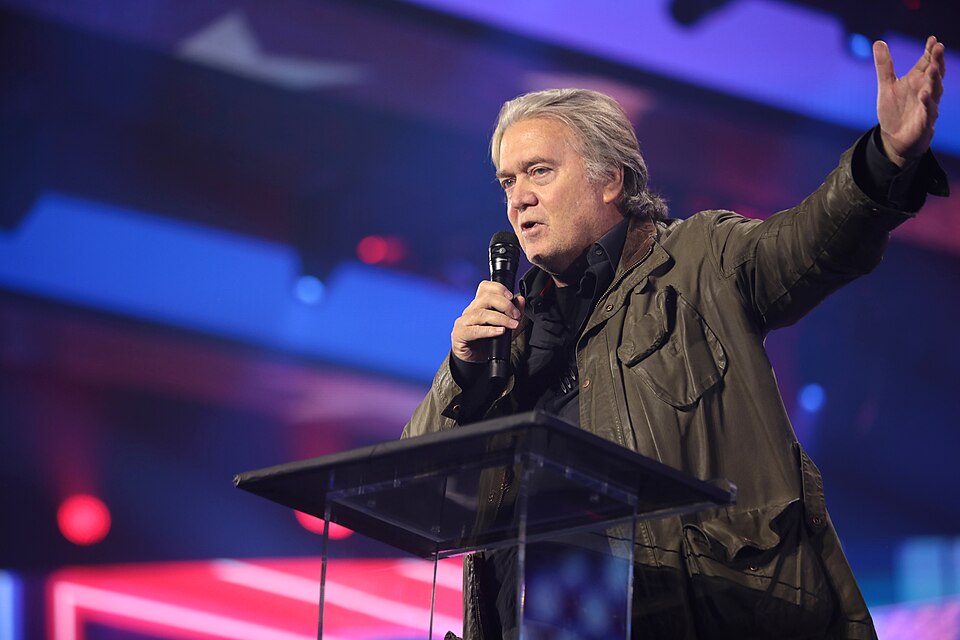
Former White House adviser Steve Bannon is openly criticizing Trump’s decision to endorse Israeli Prime Minister Benjamin Netanyahu for reelection, questioning whether the United States should continue providing substantial assistance without greater accountability.
The disagreement comes just days before Israel’s October 27 election and highlights growing differences among prominent conservatives over American involvement in foreign conflicts.
While Trump is standing firmly behind Netanyahu, Bannon is raising questions he believes deserve answers before Washington commits additional resources.
Bannon Challenges Trump’s Netanyahu Endorsement
Trump announced his support for Netanyahu on October 18, praising the Israeli leader’s handling of national security threats and his partnership with the United States.
But Bannon quickly made clear he was uncomfortable with the decision.
Speaking during his War Room program on October 19, Bannon said he was “not wild about” Trump’s endorsement.
According to reporting from The Hill and Mediaite, Bannon challenged Netanyahu’s record and questioned why Israel had not conducted the comprehensive investigation into the October 7, 2023, Hamas attacks that he believes is necessary.
Bannon argued that the American government should demand greater accountability from its allies, particularly when U.S. military assistance and taxpayer resources are involved.
His criticism is notable because Bannon has remained one of the most outspoken defenders of Trump’s America First political movement.
Yet his latest remarks demonstrate that disagreements over foreign policy remain significant even among some of the president’s closest ideological supporters.
Trump Makes His Position Clear
Trump’s endorsement left little doubt about which Israeli political leader he wants to see remain in power.
In his October 18 Truth Social announcement, the president described Netanyahu as a strong partner in confronting Iran.
Trump called him a “Great Warrior Prime Minister” and praised his leadership during a period of extraordinary instability in the Middle East.
The president also suggested that Netanyahu’s defeat could create additional challenges for the United States in dealing with Iran.
His comments represented a major show of support for the Israeli leader, particularly because their relationship has experienced disagreements over military strategy and regional security.
Netanyahu is seeking another term as prime minister while facing domestic criticism over security failures, military operations, and the direction of his government.
Trump’s endorsement could provide an important political boost, although the ultimate decision belongs to Israeli voters.
Bannon Raises Serious Questions About American Tax Dollars
Beyond Netanyahu’s reelection campaign, Bannon focused on a concern that has become increasingly important in American foreign policy debates: how much financial and military assistance Washington should provide overseas.
The former Trump adviser questioned continued American weapons deliveries and financial support for Israel.
He argued that Israel possesses significant military and economic capabilities and should face stronger expectations regarding transparency and accountability.
Bannon also called attention to the October 7 attacks, demanding an investigation into how Hamas militants were able to carry out the devastating assault.
His remarks centered on whether Israeli authorities have adequately addressed the intelligence and security failures that preceded the attack.
The issue also raises broader questions about the conditions Washington should attach to foreign assistance.
Supporters of continued U.S. aid argue that Israel remains an important strategic partner in a dangerous region and that cooperation between the two countries strengthens American national security.
Critics of extensive overseas commitments question whether Washington should place additional conditions on assistance, particularly when federal spending and domestic economic concerns remain pressing issues.
Bannon’s position reflects the latter concern, emphasizing fiscal accountability and closer examination of America’s international obligations.
JD Vance Takes A Different Approach
Bannon is not the only influential conservative who has declined to embrace Trump’s endorsement.
Vice President JD Vance has also chosen not to endorse Netanyahu’s reelection campaign.
According to the Associated Press, Vance said he preferred to concentrate on American candidates ahead of the November midterm elections rather than become involved in Israel’s domestic political contest.
Unlike Bannon, the vice president did not directly criticize Netanyahu or urge Trump to reconsider his endorsement.
Instead, Vance emphasized that his political priorities remain focused on elections in the United States.
The difference is important.
Trump has openly endorsed Netanyahu. Bannon has criticized that decision. Vance has declined to take a position in the Israeli election.
Together, their responses reveal different approaches to the role American political leaders should play in the elections of foreign countries.
A Bigger Debate Over America First Policies
The public disagreement comes amid continuing debate over what an America First foreign policy should mean in practice.
Trump has consistently emphasized his commitment to strengthening American national security while working with international partners he considers important to U.S. interests.
His support for Netanyahu reflects their cooperation on Iran and other Middle Eastern security challenges.
Bannon, however, has repeatedly stressed the importance of limiting expensive overseas commitments and demanding accountability from governments receiving American support.
Those approaches can overlap, but they can also produce disagreements when foreign governments request additional assistance or when military operations create new risks for the United States.
The debate has particular significance as the country approaches the November 3 midterm elections.
Republicans are preparing to defend their congressional positions while American voters continue weighing concerns about government spending, economic conditions, national security, and foreign policy.
Bannon’s objections illustrate how the debate over international commitments extends beyond the usual disagreements between Republicans and Democrats.
Will Trump Change His Mind?
Despite Bannon’s criticism, Trump has given no public indication that he intends to withdraw his endorsement of Netanyahu.
The president’s support remains in place as Israel approaches its October 27 parliamentary election.
For Netanyahu, Trump’s backing offers a public demonstration of support from Washington during a difficult political contest.
For Bannon, however, the endorsement raises unresolved questions about accountability, taxpayer assistance, and American involvement in overseas affairs.
The controversy also illustrates an important reality about Trump’s political coalition: even prominent allies do not necessarily agree with every decision made by the president.
Whether the criticism influences Trump’s position remains uncertain.
For now, Trump is standing behind Netanyahu, while Bannon continues challenging the wisdom of that decision—leaving the America First movement with another debate over how America should balance loyalty to its allies with its own national priorities.