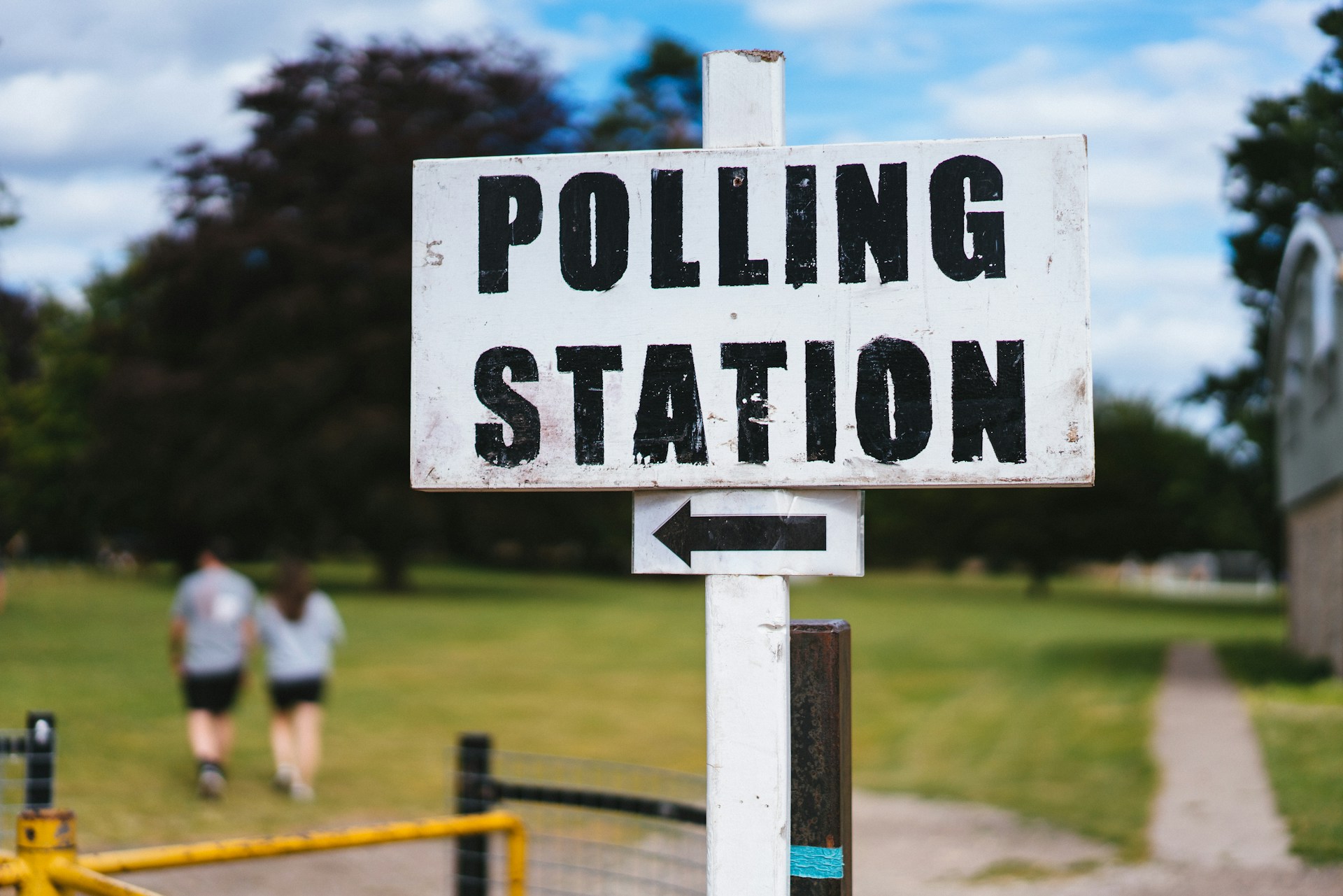
Democrats are celebrating their sweeping victories in the 2026 midterm elections, but a prominent labor union leader is already warning that their success could be short-lived.
United Auto Workers (UAW) President Shawn Fain delivered a blunt message following the Republican Party’s significant election losses, making it clear that working-class Americans are not automatically committed to supporting Democrats in the next presidential election.
His warning comes as Democrats prepare to take control of Congress following a major political setback for President Donald Trump and his Republican allies.
With the 2028 presidential election approaching, Fain believes both parties must pay closer attention to the economic struggles facing American families.
Union Leader Issues Major Warning to Democrats
During an interview with Fox News Digital at the Michigan Democratic Party’s election-night gathering in Detroit, Fain discussed the changing political loyalties of American workers.
Although Democrats enjoyed considerable success on Election Day, Fain cautioned against assuming that working-class voters would remain loyal to the party.
He explained that workers are increasingly focused on which candidates will address their economic concerns rather than traditional party labels.
According to Fain, voters want political leaders who will fight for better wages, affordable healthcare, and greater financial security.
His warning was particularly significant because organized labor has historically maintained close ties with the Democratic Party.
However, recent presidential elections have demonstrated that many union members and blue-collar workers are willing to support Republican candidates.
That political independence could create serious challenges for Democrats heading into the 2028 election.
Trump’s Working-Class Support Remains an Important Factor
President Trump’s political success has been closely connected to his ability to attract voters who previously supported Democratic candidates.
His campaign messages emphasizing American manufacturing, domestic energy production, trade policy, and job opportunities helped strengthen Republican support among working-class Americans.
That shift became especially noticeable in industrial states such as Michigan, Wisconsin, and Ohio.
During the 2024 presidential election, Trump carried Michigan voters without college degrees by approximately 10 percentage points, according to exit polling cited by Fox News.
The results demonstrated how much the political landscape had changed.
For decades, Democrats counted on organized labor and industrial communities as essential parts of their electoral coalition.
However, many voters in these communities became increasingly receptive to Republican economic arguments.
The changing relationship between unions and political parties was also highlighted during the 2024 election, when the International Brotherhood of Teamsters declined to endorse Democratic presidential nominee Kamala Harris.
The decision attracted national attention and raised questions about whether Democrats could continue relying on traditional labor support.
Now, the Democratic victories in 2026 have introduced another political shift.
But Fain believes neither party should consider working-class voters permanently secured.
Rising Living Costs Remain a Major Concern
Fain’s warning centered heavily on the financial challenges facing American households.
He expressed frustration with the enormous profits generated by major corporations while many employees continue struggling to afford everyday necessities.
The union leader specifically criticized multibillion-dollar corporate stock buybacks, arguing that businesses should pay greater attention to the workers responsible for their financial success.
His comments reflected broader concerns about wages, housing expenses, healthcare costs, and financial stability.
For many Americans, economic security remains one of the most important considerations when choosing political candidates.
That includes workers approaching retirement who are concerned about whether their savings will be sufficient to cover future expenses.
Even households with relatively stable incomes can face difficulties when groceries, insurance, utilities, and medical bills consume a growing share of their budgets.
Fain suggested that these financial pressures contributed to the Democratic Party’s strong performance in the midterm elections.
However, winning an election does not automatically resolve the economic problems that influenced voters in the first place.
Democrats will now face increased expectations to demonstrate that their policy proposals can produce meaningful improvements.
Social Security and Retirement Security Enter the Discussion
Another important element of Fain’s message involved the financial well-being of workers nearing retirement.
The union leader identified retirement assistance and healthcare affordability among the issues political leaders must address.
These concerns extend well beyond organized labor.
Millions of Americans depend on Social Security benefits, retirement savings, pensions, and Medicare to maintain financial stability after leaving the workforce.
For older Americans, uncertainty about healthcare expenses and the long-term purchasing power of retirement income can make economic policy especially important.
Although Fain did not propose specific changes to Social Security or Medicare, his remarks highlighted how retirement-related concerns continue to influence the national political debate.
Both parties face pressure to explain how they intend to address the financial needs of retirees and workers preparing to leave the labor force.
These questions will likely remain important as the 2028 presidential election approaches.
Michigan Results Show How Quickly Political Support Can Change
Michigan provided one of the clearest examples of the changing political environment during the 2026 midterms.
Democrat Abdul El-Sayed won the state’s Senate election, marking a notable victory in a state where Trump had demonstrated considerable working-class support just two years earlier.
Other industrial states also experienced significant Republican setbacks.
Democrats achieved important victories in Michigan, Wisconsin, and Ohio, demonstrating their renewed competitiveness among voters who had increasingly supported Republicans.
Fain viewed the results as evidence that economic concerns played a significant role in determining voter preferences.
However, he also suggested that the same voters could support Republicans again if they believed GOP candidates offered better solutions.
This presents an important challenge for Democratic leaders.
Their recent victories may reflect dissatisfaction with current economic conditions rather than a permanent transformation in political loyalties.
Republicans, meanwhile, have an opportunity to study the election results and determine how to regain support among voters who previously backed Trump.
Democrats Face a Major Test Before 2028
The political environment could change considerably before Americans return to the polls for the next presidential election.
By 2028, voters will have had additional time to evaluate the performance of Democratic lawmakers and the economic direction of the country.
Democrats will need to demonstrate that their electoral success can translate into effective policies addressing the cost of living.
Republicans will face a different challenge: rebuilding confidence among voters who rejected the party during the midterm elections.
Neither side can afford to ignore the economic issues affecting working families.
Healthcare affordability, job security, wages, retirement planning, and the overall cost of living could all influence the next presidential contest.
Fain’s comments also suggest that traditional political alliances may continue evolving.
The American electorate has become increasingly willing to reconsider party preferences when candidates fail to meet expectations.
That uncertainty could make the 2028 election particularly competitive.
What Happens Next for Democrats and Republicans?
Following the Democratic Party’s sweeping midterm victories, attention is already shifting toward the next presidential campaign.
Democratic leaders will seek to maintain the momentum created by their recent success.
Republicans, meanwhile, must evaluate the reasons behind their losses and determine how to strengthen their political coalition.
Fain’s message provides a reminder that economic concerns can influence political loyalties across traditional party lines.
The UAW president believes candidates who demonstrate a meaningful commitment to workers’ financial well-being will have an advantage in future elections.
That includes addressing the concerns of employees who feel their wages have failed to keep pace with everyday expenses.
It also means responding to questions about healthcare accessibility and retirement security.
For both parties, the challenge is turning political promises into results that voters can recognize.
A Wake-Up Call Following Trump’s Midterm Defeat
Democrats emerged from the 2026 midterm elections with major victories, dealing a significant blow to President Trump and the Republican Party.
However, Shawn Fain’s warning suggests that the political battle for working-class voters is far from settled.
The UAW leader made clear that economic concerns, not permanent party loyalties, will continue shaping how many Americans cast their ballots.
Democrats now have an opportunity to demonstrate that their policies can address those concerns.
Republicans have an opportunity to regain support by presenting competing proposals.
The central message is that neither party can take American workers for granted.
With another presidential election on the horizon, the economic decisions made over the next two years could play a major role in determining which party ultimately wins the White House in 2028.