Will Trump do it?
A group of progressive Democrats is pushing for a sweeping change to federal labor laws, proposing a $25 nationwide minimum wage that could significantly affect American businesses, workers, and consumers.
The proposal would more than triple the existing federal minimum wage of $7.25 an hour. Supporters argue that the increase is necessary to help families struggling with rising living expenses, while critics warn that it could lead to higher consumer prices and fewer job opportunities.
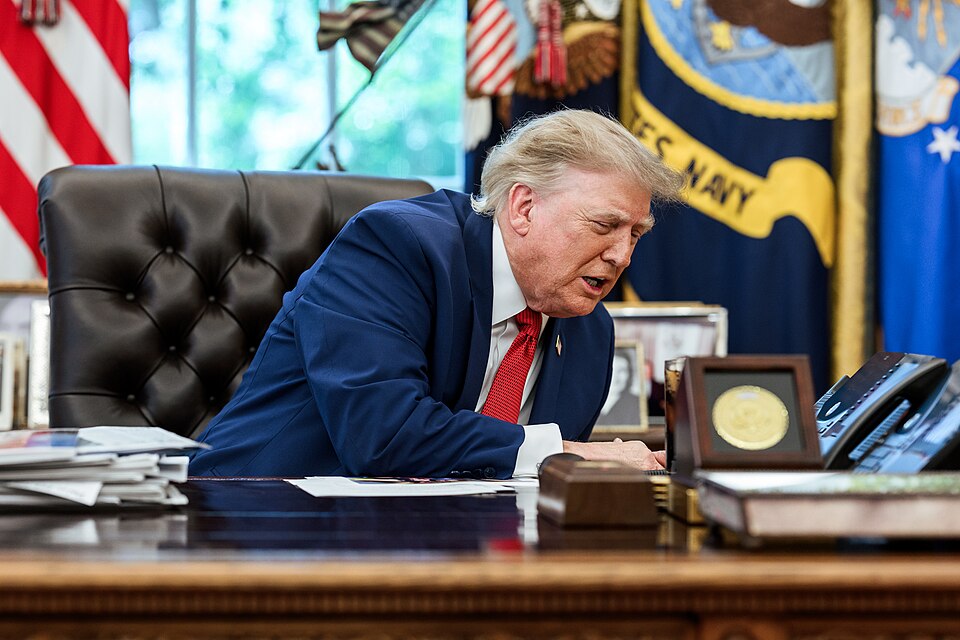
The controversial plan could eventually land on President Donald Trump’s desk, creating another major economic debate in Washington.
With Americans continuing to face financial pressure from grocery bills, housing expenses, and other everyday costs, the proposal raises an important question: Would a massive minimum wage increase help working families, or could it make affordability problems even worse?
Democrats Push For A Dramatic Minimum Wage Increase
Progressive lawmakers are calling for a federal minimum wage of $25 an hour as part of a broader effort to address the nation’s affordability challenges.
The Congressional Progressive Caucus is backing the initiative, arguing that Americans working full-time should earn enough to support themselves and their families.
Rep. Everton Blair Jr., a Georgia Democrat, has emerged as a supporter of the proposal.
Blair believes the federal government should establish $25 as the minimum hourly wage, with future adjustments to account for inflation.
He has also suggested that areas with particularly high living expenses may require even higher wages.
Rep. Delia Ramirez, an Illinois Democrat, has expressed similar support, arguing that businesses should provide compensation that allows workers to afford essential necessities.
However, the proposed increase has already generated significant concerns about the consequences for employers and the broader economy.
Economists Warn Of Higher Prices And Fewer Jobs
The proposal has drawn criticism from conservative economists who believe such a substantial wage increase could create serious challenges for American businesses.
E.J. Antoni, chief economist at the Heritage Foundation, has warned that imposing wage requirements above what certain businesses can sustainably afford could contribute to unemployment.
The concern is that employers facing dramatically higher labor expenses might respond by reducing staff, limiting employee hours, postponing hiring, or increasing prices.
Those consequences could be particularly difficult for smaller businesses.
Unlike major corporations, family-owned restaurants, independent retailers, and local service providers often operate with limited financial flexibility.
A substantial increase in payroll expenses could force some employers to make difficult decisions about staffing and operating costs.
Other businesses might explore automation to reduce their dependence on hourly employees.
Although the full economic impact would depend on how the legislation is implemented, the possibility of job losses and higher prices has become a central argument against the proposal.
What Would A $25 Minimum Wage Mean For American Workers?
The financial difference between the existing federal minimum wage and the proposed rate would be substantial.
Someone earning $7.25 an hour and working 40 hours per week would make approximately $15,080 annually before taxes.
At $25 an hour, that same employee would earn approximately $52,000 per year.
That represents an increase of $36,920 in annual gross wages.
For workers currently earning relatively low wages, such an increase could provide additional money for housing, groceries, transportation, and savings.
However, the proposal would not guarantee that every employee receives the same financial benefit.
Workers who experience reduced hours or layoffs could see their earnings fall instead of rise.
Additionally, employees already earning more than the existing federal minimum wage might experience different effects depending on their industry and local labor market.
The debate ultimately centers on whether the potential benefits to workers would outweigh the additional costs imposed on employers.
Could The Proposal Make Inflation Worse?
One of the most significant concerns involves the possible effects on inflation and consumer prices.
American households have spent years dealing with rising living expenses, including higher costs for food, housing, insurance, and transportation.
Critics worry that requiring businesses to pay significantly higher wages could result in additional price increases.
Restaurants, grocery stores, and service providers facing higher operating expenses might pass some of those costs directly to consumers.
That could create additional financial pressure for households already struggling to manage their monthly budgets.
Supporters disagree, arguing that higher wages would increase purchasing power and help families keep up with the cost of living.
Economists have debated the relationship between minimum wage increases, consumer prices, and employment for decades. The effects can differ depending on local economic conditions and the size of the wage increase.
A nationwide increase to $25 would be particularly significant because of the considerable differences between regional economies.
Retirees And Americans On Fixed Incomes Have Reason To Watch
The proposed wage increase could also have implications for Americans who are no longer working.
Millions of retirees rely on Social Security, pensions, and personal savings to cover their monthly expenses.
Unlike employees earning hourly wages, retirees would not automatically receive a comparable income increase if Congress approved a higher minimum wage.
Social Security benefits receive annual cost-of-living adjustments based on inflation measurements, but those adjustments do not necessarily eliminate every financial challenge retirees experience.
If businesses respond to higher labor expenses by raising consumer prices, Americans on fixed incomes could face additional pressure.
Higher costs for groceries, dining, transportation, and household services could affect retirement budgets.
At the same time, any broader effects on inflation would depend on how employers, consumers, and the economy respond to the policy.
That uncertainty makes the proposal relevant not only to working Americans but also to older households concerned about protecting their purchasing power.
Small Businesses Could Face A Difficult Adjustment
Another major concern involves how a nationwide wage increase would affect different parts of the country.
Businesses in major metropolitan areas frequently face higher operating expenses and may already pay wages considerably above the federal minimum.
However, employers in rural communities and smaller towns often operate under very different economic conditions.
A $25 hourly wage requirement could be a substantial adjustment for businesses in areas where typical wages and living expenses are lower.
For example, a small business employing 10 full-time workers at $15 an hour would spend approximately $312,000 annually on their base wages.
Increasing those employees’ wages to $25 an hour would raise that amount to approximately $520,000, assuming unchanged staffing and working hours.
That represents an additional $208,000 in annual base payroll expenses before accounting for associated employment costs.
While the example does not represent every business, it illustrates why employers and economists are closely examining the proposal.
Businesses would need to determine how to absorb those expenses while remaining competitive and maintaining employment opportunities.
Democrats Hope Trump Will Consider Their Proposal
Despite concerns surrounding the legislation, progressive Democrats believe their proposal could attract support beyond their party.
Blair has argued that many Democratic lawmakers share the belief that full-time employment should provide enough income to meet basic living expenses.
Ramirez has also suggested that President Trump could potentially be willing to negotiate on the issue.
Her optimism reflects the possibility that lawmakers from opposing parties may find common ground on economic concerns affecting American households.
The Living Wage for All coalition, which supports the initiative, has cited polling that it says shows 63% of Republicans support a $25 federal minimum wage.
However, that figure comes from the coalition’s characterization of its polling and should not be treated as established nationwide Republican support without further examination of the survey methodology.
Whether the proposal can secure sufficient support in Congress remains uncertain.
As of November 22, 2026, the White House had not publicly committed to supporting the proposal, and Fox News reported that neither the administration nor House Democratic leader Hakeem Jeffries had responded to its requests for comment.
Trump Faces Another Major Economic Debate
The proposal is likely to become part of a broader debate over economic affordability, employment, and the federal government’s role in determining wages.
Progressive Democrats believe substantially increasing the minimum wage could help struggling workers achieve greater financial security.
Conservative economists and other critics argue that lawmakers must also consider the potential consequences for inflation, hiring, and small businesses.
For President Trump, the issue presents another opportunity to weigh competing approaches to improving the financial circumstances of American families.
The discussion could become increasingly important as lawmakers prepare their economic priorities for the next Congress.
For ordinary Americans, the stakes involve more than political arguments in Washington.
The outcome could influence wages, employment opportunities, consumer prices, and the operating costs of businesses throughout the country.
The biggest unanswered question is whether a $25 federal minimum wage would deliver meaningful financial relief—or introduce new economic pressures that leave some Americans struggling even more.
For now, the proposal remains a political initiative rather than an enacted federal wage requirement, and its future will depend on congressional negotiations and the president’s position.