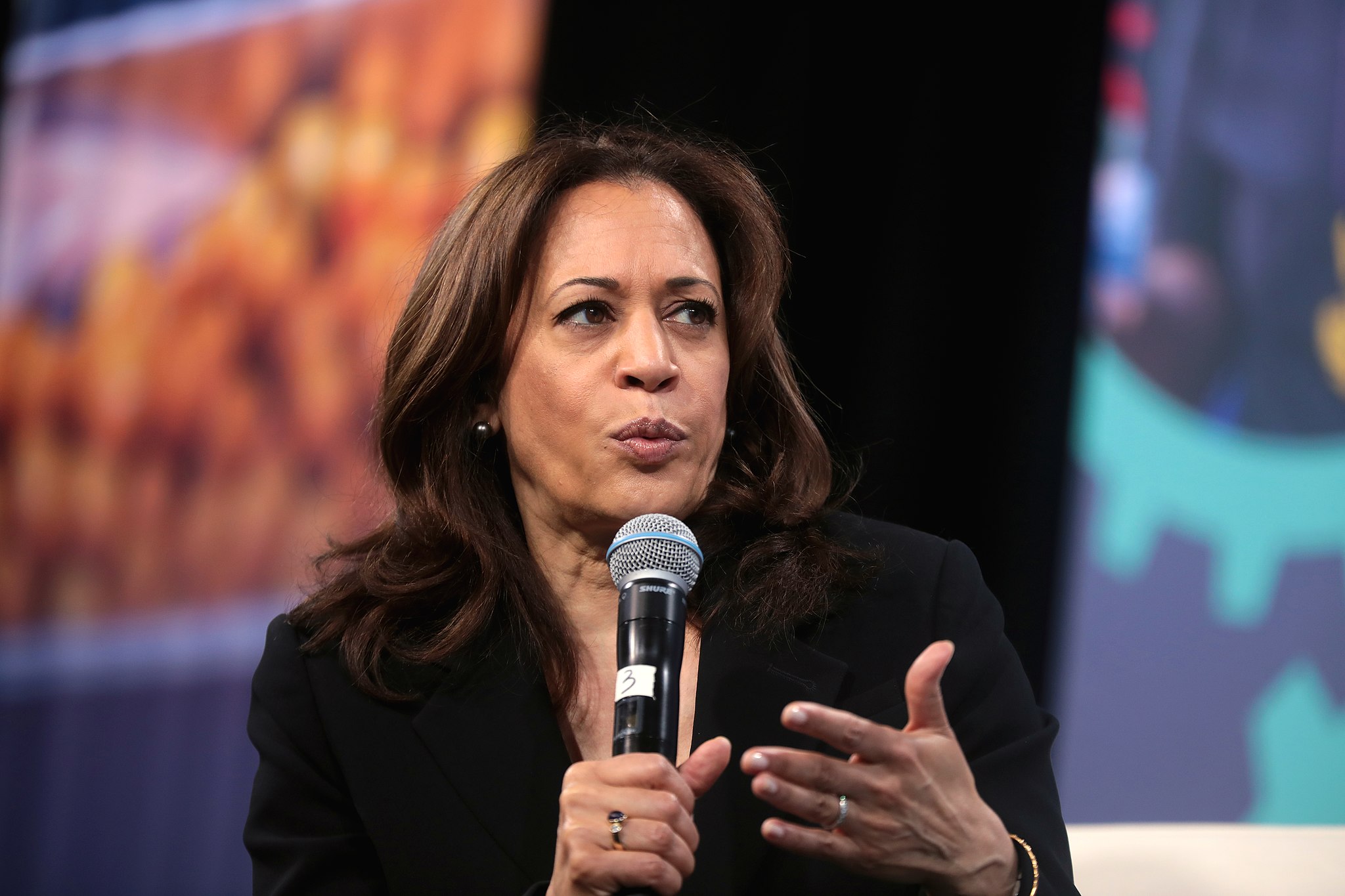
Biden and Kamala are playing a very sneaky game with U.S. voters.
In what critics are calling a last-ditch effort to shield the Biden-Harris administration from potential electoral fallout, the administration is reportedly utilizing taxpayer dollars to obscure looming increases in Medicare premiums.
The Inflation Reduction Act (IRA), which was originally aimed at capping out-of-pocket costs for Medicare beneficiaries, has inadvertently led to significant hikes in monthly premiums. Insurers are projected to substantially raise their bids for Medicare Part D plans, with estimates suggesting a potential threefold increase by 2025.
In a bid to mitigate voter dissatisfaction, the Centers for Medicare and Medicaid Services (CMS) has introduced a three-year “demonstration project” intended to subsidize these rising premiums and maintain artificially low rates. However, critics argue that this strategy merely shifts the financial burden rather than offering genuine relief. The cost of these subsidies is set to escalate dramatically, from $30 per recipient per month in 2024 to $142.70 by 2025. This surge has raised concerns about its impact on long-term government spending and national debt.
Joe Grogan, a former adviser to President Trump, has voiced strong disapproval of this maneuver. He contends that the administration’s actions amount to a costly and ineffective short-term fix. Grogan described the situation to Fox News Digital: “They’ve wrecked Part D premiums. This is a massive injection of $5 to $10 billion of taxpayer money just before an election. It’s outrageous.”
Grogan further warned that the program is on a path to failure. “This is only going to worsen in 2025 and 2026. The demonstration project is already broken and will likely collapse. Premiums will continue to rise,” he predicted.
The Paragon Health Institute has labeled the CMS demonstration plan a “deceptive and expensive showcase.” Their analysis highlights that instead of being a true experimental program, the initiative is a broad and costly attempt to mitigate the effects of the IRA’s changes, which are expected to either drive insurers out of the market or cause significant financial losses.
Research by Fidelity underscores the growing financial strain on retirees, revealing that a 65-year-old today can expect to spend $165,000 on healthcare in retirement—a 5% increase from the previous year and more than double the estimate from 2002. This figure, however, contrasts sharply with the average American’s expectation of around $75,000 in healthcare costs, according to the research.
The estimate assumes comprehensive Medicare coverage, including Parts A, B, and D, but does not account for out-of-pocket expenses like premiums, over-the-counter medications, and dental and vision care—costs retirees must manage independently.
As of April, roughly 67.3 million Americans were enrolled in Medicare, with half participating in Medicare Advantage plans and 80% covered by Medicare Part D. Grogan is concerned that the administration’s approach is a temporary solution aimed at election relief rather than addressing the root of the issue. He predicts a worsening situation that will need serious attention in the coming months.
Additionally, Americans are facing a sharp rise in prescription drug costs, which have surged nearly 40% over the past decade, significantly outpacing inflation. This trend further exacerbates the financial strain on Medicare beneficiaries and underscores the need for a more sustainable solution.