Things are escalating very fast.
The Pentagon has announced that the United States will deploy a limited number of additional troops to the Middle East amid rising tensions between Israel and Hezbollah, the militant group based in Lebanon. While the specific number and mission of these forces have not been disclosed, the move signals a proactive approach to potential threats in the region.
Air Force Major General Patrick Ryder emphasized the decision was made “out of an abundance of caution” to bolster existing U.S. military presence in the area. This comes as Israel redirects its attention northward following nearly a year of conflict with Hamas in Gaza. Hezbollah has been increasingly aggressive, launching rocket attacks into Israel, which has prompted a swift military response from Israeli forces targeting Hezbollah positions across southern Lebanon.
In a significant escalation, Israeli airstrikes recently focused on key Hezbollah figures and infrastructure, underlining the seriousness of the situation. President Biden’s administration has consistently advocated for a diplomatic resolution to these conflicts; however, the complexities on the ground, particularly with Iran’s influence, pose significant challenges.
Experts warn that if Hezbollah feels threatened, Iran could escalate its involvement, potentially putting U.S. forces at risk as tensions spiral into a broader regional conflict. The administration is keenly aware of these dynamics, with Defense Secretary Lloyd Austin reinforcing the need for restraint from external actors.
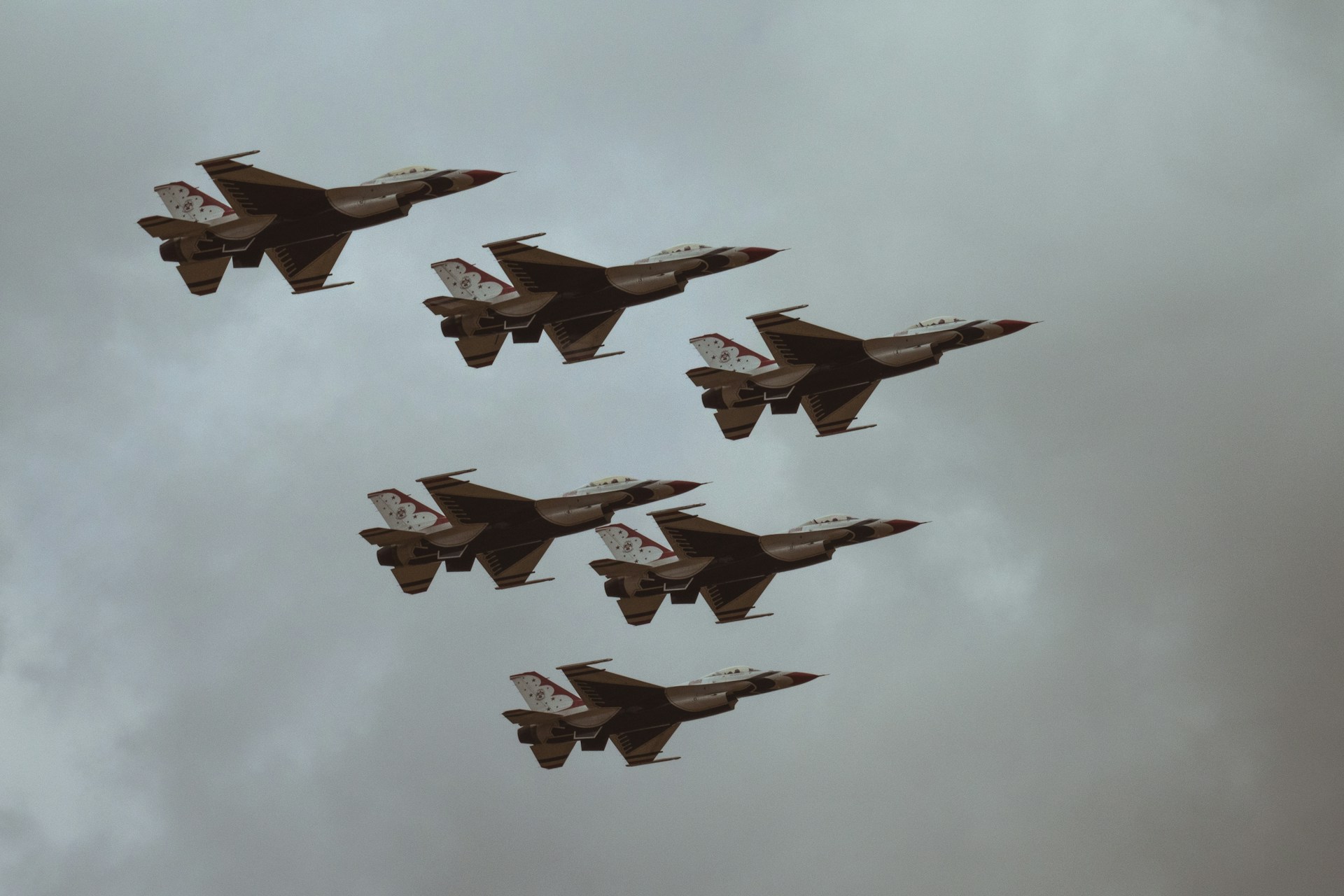
The U.S. has positioned substantial military resources in the region, including the Abraham Lincoln aircraft carrier strike group, fighter jets, and advanced air defense systems. These capabilities enhance America’s readiness to defend its interests and personnel should the situation worsen. As Ryder noted, the U.S. now has more military assets in the region than it did earlier in the year when Iran launched its unprecedented missile and drone attacks against Israel.
In these tumultuous times, the commitment to a strong U.S. presence is essential not only for safeguarding our allies but also for ensuring regional stability. We must remain vigilant and prepared to deter aggression, standing firm against threats that challenge our national security and that of our partners in the Middle East.