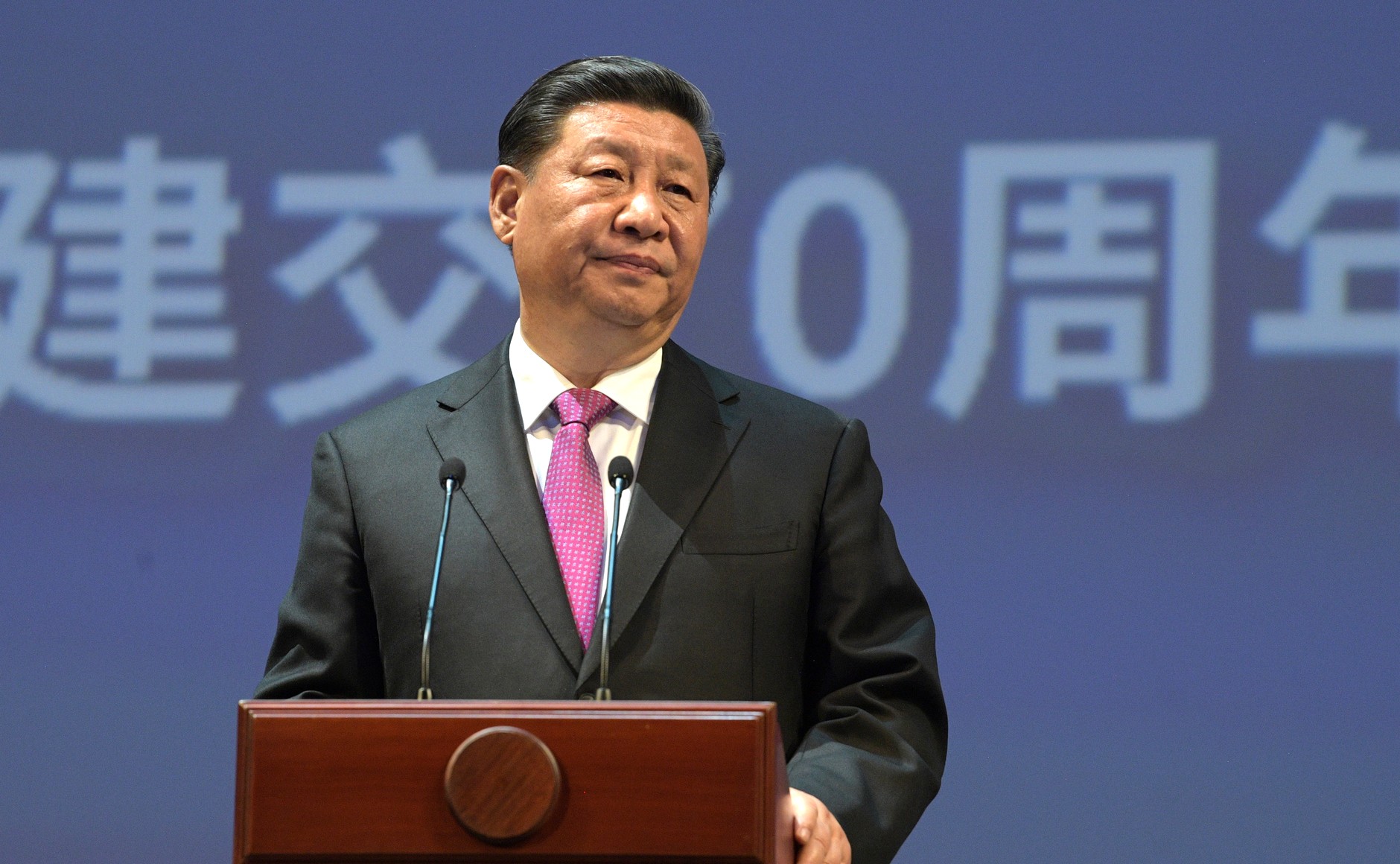
China is not happy with Trump’s latest move.
On Tuesday, new tariffs on Chinese goods went into effect as part of President Trump’s ongoing efforts to tackle the fentanyl crisis plaguing America. The move was designed to pressure China into stopping the flow of dangerous chemicals used to produce fentanyl, which has claimed the lives of over 281,000 Americans in the past four years alone. Beijing responded by announcing its own tariffs on U.S. imports, including coal, natural gas, and crude oil, further escalating trade tensions.
This 10% additional tariff on Chinese imports was imposed following Trump’s declaration that the fentanyl crisis constitutes a “national emergency.” Under the authority of the International Emergency Economic Powers Act (IEEPA), the President is using tariffs as a tool to force China to crack down on the export of fentanyl precursor chemicals to criminal cartels in the U.S. These cartels then produce and smuggle the deadly drug into America, fueling the opioid epidemic. The White House has made it clear that tariffs are an effective way to protect America’s interests and national security.
In response, China’s government has argued that it has already taken significant steps to combat the issue. They also claim that the U.S. approach, particularly through tariffs, violates World Trade Organization (WTO) rules. However, Republicans in Congress have been vocal in accusing China of deliberately allowing the export of fentanyl, which they believe undermines U.S. security and public health.
While China has promised more aggressive counternarcotics measures, President Trump has warned that additional tariffs on other Chinese products, including steel, aluminum, and pharmaceuticals, are on the table if China fails to cooperate. The President’s strategy is clear: If diplomacy and trade talks fail, the tariffs will only increase.
These actions are part of Trump’s broader economic strategy, which includes reducing the U.S. trade deficit with China and bringing more manufacturing back to American soil. China remains the largest source of U.S. imports, making up 16.5% of total imports in 2022, according to the U.S. Trade Representative’s office.
Meanwhile, Trump has also been negotiating with Mexico and Canada to address issues related to drug trafficking and border security. Both countries have agreed to tougher measures in exchange for a delay in the imposition of new tariffs. Mexican President Claudia Sheinbaum committed to deploying 10,000 national guard troops to tackle drug cartels, while Canadian Prime Minister Justin Trudeau pledged to implement a $1.3 billion border plan aimed at curbing fentanyl smuggling.
President Trump’s approach makes one thing clear: America’s safety and security are paramount. While critics may label these measures as extreme, the administration remains steadfast in its commitment to protecting American lives from the ravages of illegal drugs and foreign adversaries.