Washington insiders are growing uneasy — and it’s not hard to see why.
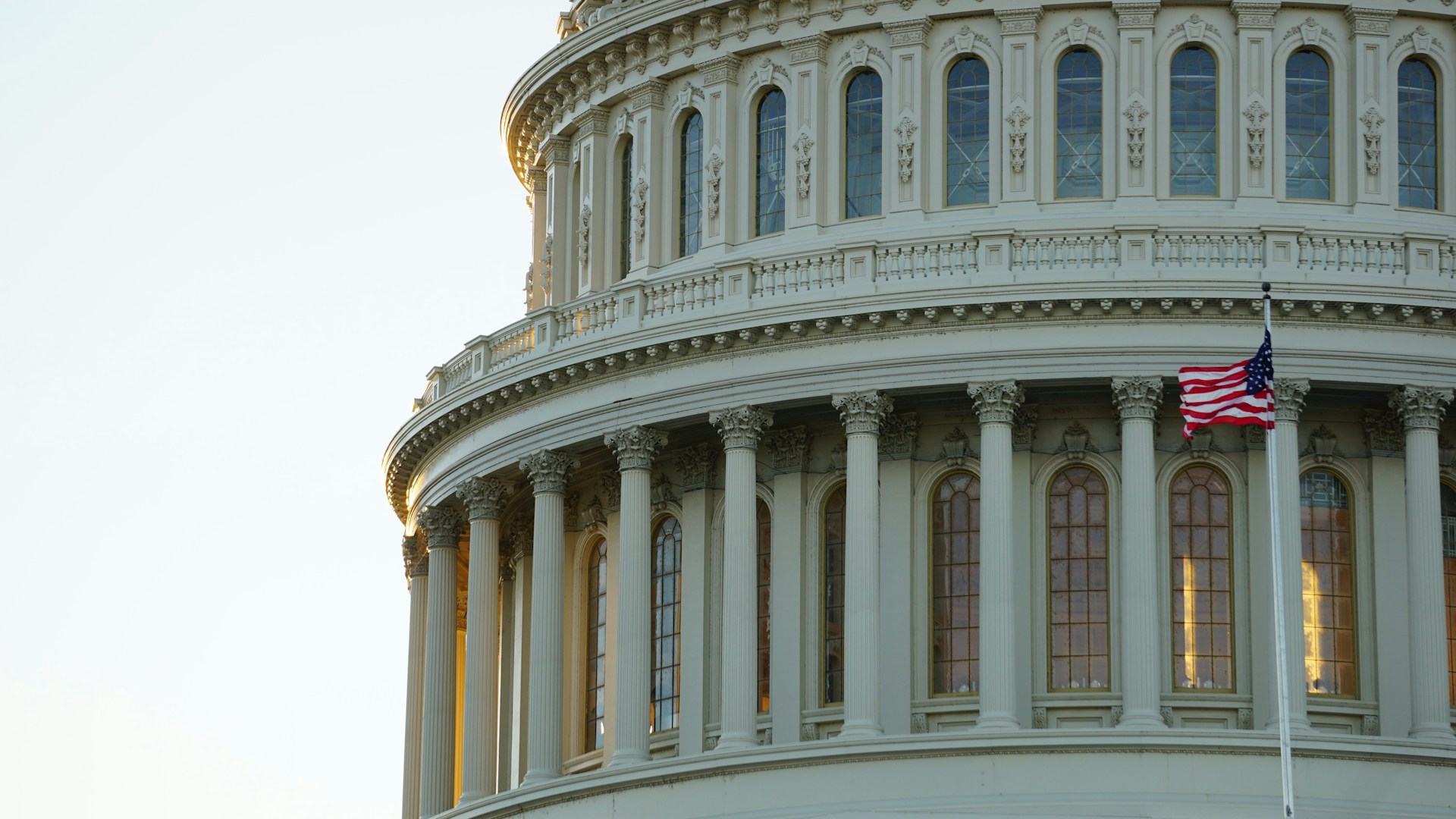
As the 2026 midterm elections approach, frustrated lawmakers from both parties are openly discussing how Congress can reclaim authority they believe has shifted decisively to the White House under Donald Trump.
Throughout 2025, President Trump moved aggressively to carry out the agenda voters sent him to Washington to deliver. Federal agencies were restructured or eliminated, tariffs were imposed to protect American workers, spending approved by Congress was reexamined, and U.S. military operations were conducted to disrupt criminal activity in the Caribbean.
Supporters see decisive leadership. Critics see Congress being sidelined.
Washington Pushback Grows
Democrats loudly accused Trump of overreach. But even some Republicans privately admitted discomfort with how little influence Congress seemed to have. By year’s end, a record number of lawmakers announced retirement plans — many citing frustration with dysfunction, gridlock, and lack of relevance.
Asked whether Congress can realistically restore its influence, Rand Paul was blunt.
“I’ve been concerned about this for years,” Paul said, warning that congressional authority continues to erode.
One Major Bill — And Few Other Wins
Republicans’ signature accomplishment in 2025 was Trump’s One Big Beautiful Bill, passed using a reconciliation process that bypassed the Senate filibuster.
The legislation:
- Extended tax cuts for working Americans
- Increased funding for defense and border enforcement
- Reduced spending on Medicaid and food assistance
Inside the GOP, many quietly admit it may have been their only chance to pass sweeping legislation this year. While talk of another reconciliation bill exists, expectations are low.
Divisions Inside Congress Stall Action
Trump’s strong grip on the Republican Party shaped much of the year — but internal divisions inside Congress also played a major role.
In the House, a narrow Republican majority split between conservatives and moderates made compromise difficult. In the Senate, Democrats remained unified in blocking most GOP initiatives.
One longtime Republican operative described the situation as “unworkable,” pointing to deep ideological differences that prevent Congress from acting decisively.
Shutdown Fallout and Leadership Frustration
The situation worsened during a 43-day government shutdown when Speaker Mike Johnson kept lawmakers out of Washington, limiting their role in negotiations.
“I’ve never seen Congress voluntarily shut itself down,” said Thomas Massie, criticizing the move as counterproductive.
Senate Resistance — With Limited Results
In the Senate, Democrats attempted to challenge Trump’s use of emergency powers. Tim Kaine led votes aimed at limiting actions related to tariffs and overseas operations.
Kaine argued that executive power has expanded for decades — and that Trump is simply pushing boundaries others allowed.
Some Republicans also raised alarms when the administration rescinded previously approved spending. Lisa Murkowski warned that bypassing Congress on funding decisions undermines constitutional authority.
Rare Rebellions Shake Washington
In rare moments, lawmakers forced action. A small group of Republicans joined Democrats to compel the release of files related to Jeffrey Epstein, despite strong resistance from leadership. The effort passed overwhelmingly once brought to a vote.
Another bipartisan maneuver forced a vote on extending Obamacare subsidies, though it remains unlikely to become law.
Voters Are Losing Patience
Public confidence in Congress continues to collapse. Approval ratings hover near historic lows, and retirements keep climbing.
At the midpoint of the 119th Congress:
- Over 40 House members have announced retirements
- Nine senators will not seek reelection
Some lawmakers hope upcoming budget fights will restore Congress’ role.
“It’s about the power of the purse,” said John Hoeven. “January is going to be critical.”
Still, optimism is scarce.
“This administration brought a lot of change — much of it good,” said Thom Tillis. “But it’s driven people into political corners.”
Bottom Line
As Washington heads into an election year, lawmakers may talk about reclaiming power from President Trump. But with voters demanding results — and Trump delivering decisive action — Congress faces a hard truth:
Americans didn’t elect gridlock. They elected leadership.