Fed Reveals Top Economic Concerns
The Federal Reserve System has issued a sobering new warning: the ongoing war with Iran and rapidly rising oil prices now rank among the biggest threats to the U.S. economy and the financial security of everyday Americans.
For retirees, conservative investors, and families already struggling with higher costs, the message is clear. If energy prices remain elevated and inflation continues to climb, Americans could face more pain at the gas pump, higher grocery bills, and prolonged high interest rates.
Federal Reserve Report Highlights Biggest Economic Risks
In its latest Financial Stability Report, the Federal Reserve surveyed economists, investors, and financial professionals about the greatest dangers facing the economy.
The results were striking:
- 75% cited geopolitical instability as the top financial threat
- 70% pointed to the oil shock caused by the Iran conflict
- 50% identified artificial intelligence as a growing risk
- 50% expressed concern about the rapid expansion of private credit markets
The sharp rise in oil prices was especially notable because it was barely mentioned in the Fed’s previous report.
Why the Iran Conflict Matters to Your Wallet
The conflict in the Middle East has pushed crude oil prices above $100 per barrel, fueling fears of renewed inflation.
When oil prices rise, Americans often feel the impact quickly through:
- Higher gasoline prices
- Increased food costs
- More expensive utilities
- Rising airfare
- Costlier consumer goods
For seniors on Social Security and retirees living on fixed incomes, these price increases can significantly strain household budgets.
Gas Prices Reach Multi-Year Highs
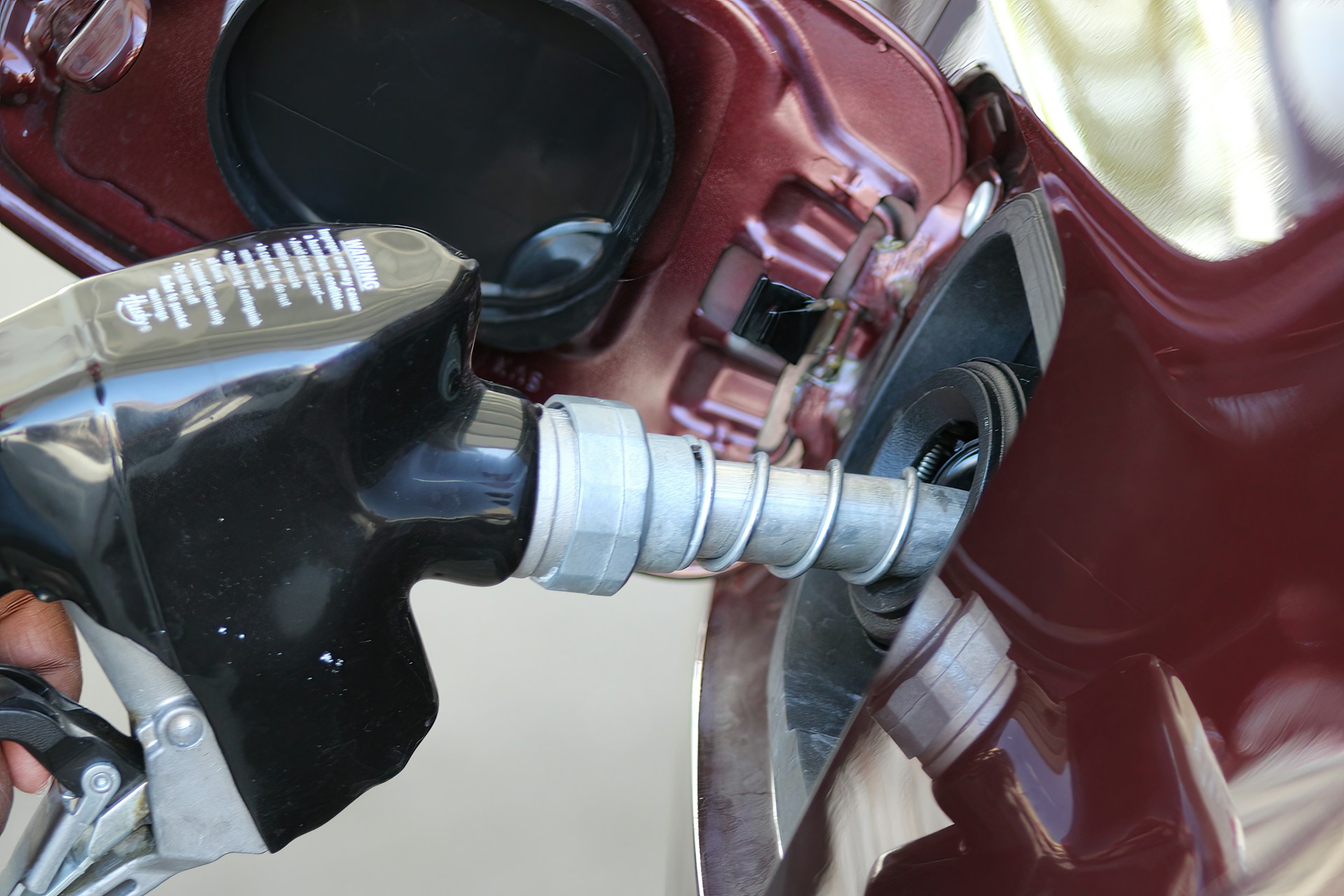
Gasoline prices have surged to their highest levels in years, reversing progress made against inflation.
If tensions in the Middle East continue, especially around critical shipping routes such as the Strait of Hormuz, fuel costs could remain elevated for months.
That means Americans may continue paying more to drive, travel, and heat their homes.
Inflation Could Force Higher Interest Rates
The Federal Reserve warned that energy-driven inflation could compel policymakers to keep interest rates elevated or raise them further.
Higher interest rates can affect nearly every part of the economy:
- Mortgage payments remain expensive
- Credit card interest increases
- Auto loans become more costly
- Small businesses face higher borrowing costs
- Stock and bond markets may experience volatility
The report noted that rising inflation and higher rates could lead to falling asset prices and greater financial stress.
Retirement Savings Could Face New Pressure
For Americans over 50, persistent inflation and elevated interest rates could put additional pressure on retirement plans.
Potential effects include:
- Increased market volatility
- Slower economic growth
- Pressure on stock valuations
- Reduced purchasing power
- Greater uncertainty for long-term planning
Protecting savings becomes more challenging when prices rise faster than investment returns.
Artificial Intelligence Raises New Questions
The Federal Reserve also highlighted concerns surrounding artificial intelligence.
Officials noted that many AI investments are being financed with debt, which could increase leverage and financial vulnerability.
Some respondents also warned that widespread automation could weaken the labor market and disrupt industries across the economy.
Private Credit Market Remains Under Watch
Another emerging concern is private credit, a rapidly growing lending sector outside traditional banks.
While the Fed said current risks appear manageable, it cautioned that continued investor withdrawals could reduce credit availability for businesses and higher-risk borrowers.
President Trump Faces Economic and Geopolitical Challenges
President Donald Trump is confronting a difficult balancing act as his administration addresses the conflict with Iran while working to protect the American economy.
Energy prices, inflation, and interest rates remain critical issues for millions of voters who want stability and relief from rising costs.
What Americans Should Watch Closely
In the months ahead, several factors could shape the economy:
- Developments in the Iran conflict
- Oil and gasoline price trends
- Inflation reports
- Federal Reserve interest rate decisions
- Stock market performance
These indicators will help determine whether inflation cools or intensifies.
Bottom Line
The Federal Reserve’s latest report confirms that the war with Iran and surging oil prices pose serious risks to economic stability.
For conservative Americans focused on protecting their retirement savings and maintaining their standard of living, the stakes are high.
If energy prices stay elevated, the country could face renewed inflation, prolonged high interest rates, and increased financial uncertainty.
Staying informed and financially prepared may be more important than ever.