This is downright ridiculous.
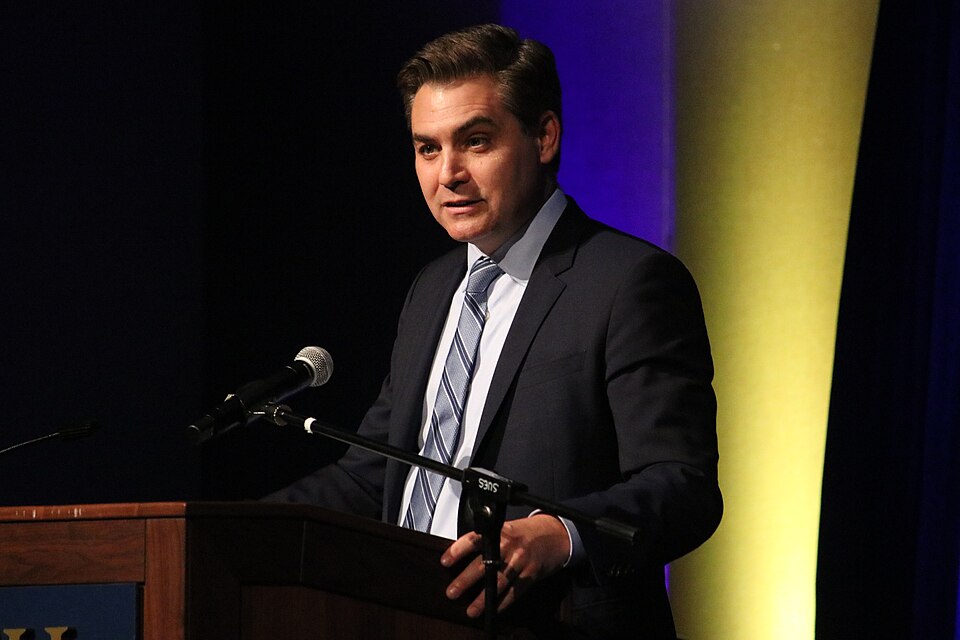
Former CNN journalist Jim Acosta has sparked fresh controversy after making a personal joke about President Donald Trump’s sexuality during an anti-Trump protest in Washington, D.C.
The remarks came Saturday, October 17, as Acosta addressed demonstrators participating in the nationwide “No Kings” protests against the Trump administration.
During his appearance, Acosta mocked comments the president recently made about Republican Senator Jon Husted of Ohio, suggesting that Trump’s remarks about the lawmaker’s physical appearance revealed something about his personal preferences.
The former CNN anchor also brought up White House aide Natalie Harp, adding another personal dimension to his criticism of the president.
The exchange comes as political tensions intensify ahead of the November 3 midterm elections, with both Republicans and Democrats fighting for control of Congress.
Jim Acosta Makes Personal Joke About President Trump
According to a report from Mediaite, Acosta took the stage during the Washington demonstration and delivered a series of jokes aimed at Trump.
Rather than concentrating entirely on the president’s political record, Acosta focused part of his speech on comments Trump had made earlier in the week while campaigning in Ohio.
During that event, Trump had discussed Senator Jon Husted’s athletic background and recalled examining the Republican lawmaker’s physical build after learning about his football experience.
Acosta seized on the president’s description, drawing laughter from members of the protest crowd.
He then made a joke involving Natalie Harp, a longtime Trump aide who works closely with the president.
“I don’t think Natalie Harp has anything to worry about. That’s just me,” Acosta said.
His remark appeared to suggest that Trump might be attracted to men while also alluding to unverified speculation about the president’s relationship with Harp.
However, Acosta offered no evidence supporting either insinuation.
The remarks were delivered as political humor, not as a factual disclosure about the president’s private life.
What Trump Said About Republican Senator Jon Husted
The controversy began at a Trump campaign rally in Ohio on October 12.
During the event, the president praised Husted and discussed his background as a college football player.
Trump explained that he had not initially realized Husted was an accomplished athlete.
After learning about the senator’s athletic history, the president recalled looking more closely at his physical build, including his hands and overall physique.
The president’s description included an unusual reference to Husted’s backside, which quickly attracted attention.
Trump’s larger point was that Husted possessed the physical characteristics of a former competitive athlete.
Nevertheless, the wording gave critics an opportunity to turn the president’s remarks into a political joke.
Acosta used that opportunity during his appearance at the Washington protest.
The episode demonstrates how even an offhand comment during a campaign speech can become a subject of national political debate.
Former CNN Anchor Continues Criticizing Trump
Acosta has a long history of confrontations with President Trump dating back to his years covering the White House for CNN.
During Trump’s first administration, Acosta became one of the network’s most recognizable political correspondents.
His sometimes heated exchanges with the president frequently generated headlines and attracted attention across cable television and social media.
The former CNN personality has remained an outspoken critic of Trump since departing the network.
At the October 17 protest, his criticism extended beyond the president’s recent comments about Husted.
Acosta also targeted the administration’s immigration enforcement policies and the president’s controversial White House ballroom project.
His remarks reflected broader opposition to several of Trump’s priorities during his second term.
However, his joke about the president’s sexuality became one of the most attention-grabbing moments of the appearance.
Acosta Brings Immigration and White House Changes Into Speech
During the demonstration, Acosta criticized Immigration and Customs Enforcement, commonly known as ICE.
Immigration enforcement remains one of the most contentious issues in Washington, with the Trump administration defending its efforts to strengthen border security and enforce federal immigration laws.
Supporters of stricter enforcement argue that immigration authorities have an important responsibility to uphold existing laws and protect public safety.
Opponents have raised concerns about enforcement tactics and the treatment of individuals caught up in immigration operations.
Acosta also criticized Trump’s White House ballroom project, which has generated debate about changes to the historic presidential property.
The former anchor’s comments illustrated the range of grievances expressed by demonstrators at the event.
But even as he addressed national policy issues, Acosta repeatedly returned to personal criticism of the president.
November Midterms Become Central Focus
Acosta’s appearance also included a message about the upcoming congressional elections.
The former CNN anchor encouraged those attending the protest to view November 3 as an opportunity to express their opposition to the administration.
“It’s not just Election Day — it’s Rejection Day,” Acosta declared.
The statement reflected the political atmosphere surrounding the 2026 midterms.
Republicans are seeking to preserve their congressional strength and continue advancing Trump’s legislative priorities.
Democrats, meanwhile, are attempting to gain seats and increase their ability to challenge the administration.
The election results will help determine the balance of power in Washington during the final two years of Trump’s presidency.
The nationwide “No Kings” demonstrations were organized in part to encourage political participation and early voting. Protesters gathered in cities across the country to express concerns about the administration and its policies.
Debate Over Personal Attacks in American Politics
Acosta’s remarks also highlight the increasingly personal tone of political commentary in the United States.
Public officials and journalists frequently clash over government spending, immigration, national security, and economic policy.
But political disagreements can also turn into attacks involving a person’s appearance, relationships, or private life.
In this instance, Acosta’s suggestion about Trump’s sexuality was based on a joke about the president’s remarks at a campaign rally.
There is no substantiated evidence establishing the personal implication Acosta appeared to make.
The exchange raises a larger question about whether such comments contribute meaningfully to political debate or distract from the issues facing voters.
With the midterms approaching, Americans will have an opportunity to evaluate candidates based on their records, proposals, and positions on major national issues.
Political Spotlight Remains on Trump Ahead of Election Day
President Trump remains at the center of the national political conversation as Republicans and Democrats make their final appeals to voters.
The administration continues defending its approach to immigration, federal spending, foreign affairs, and economic policy, while political opponents are working to challenge those decisions.
Acosta’s appearance at the Washington protest is another example of the confrontational atmosphere surrounding the president.
Although his remarks drew attention because of their personal nature, they did not establish any new facts about Trump’s sexuality or private relationships.
Instead, the incident reflected the broader political divide between the president and some of his most outspoken media critics.
With Election Day approaching, debates over the direction of the country are likely to remain intense.
Whether voters are influenced by personal political attacks or focus primarily on policy differences remains to be seen.