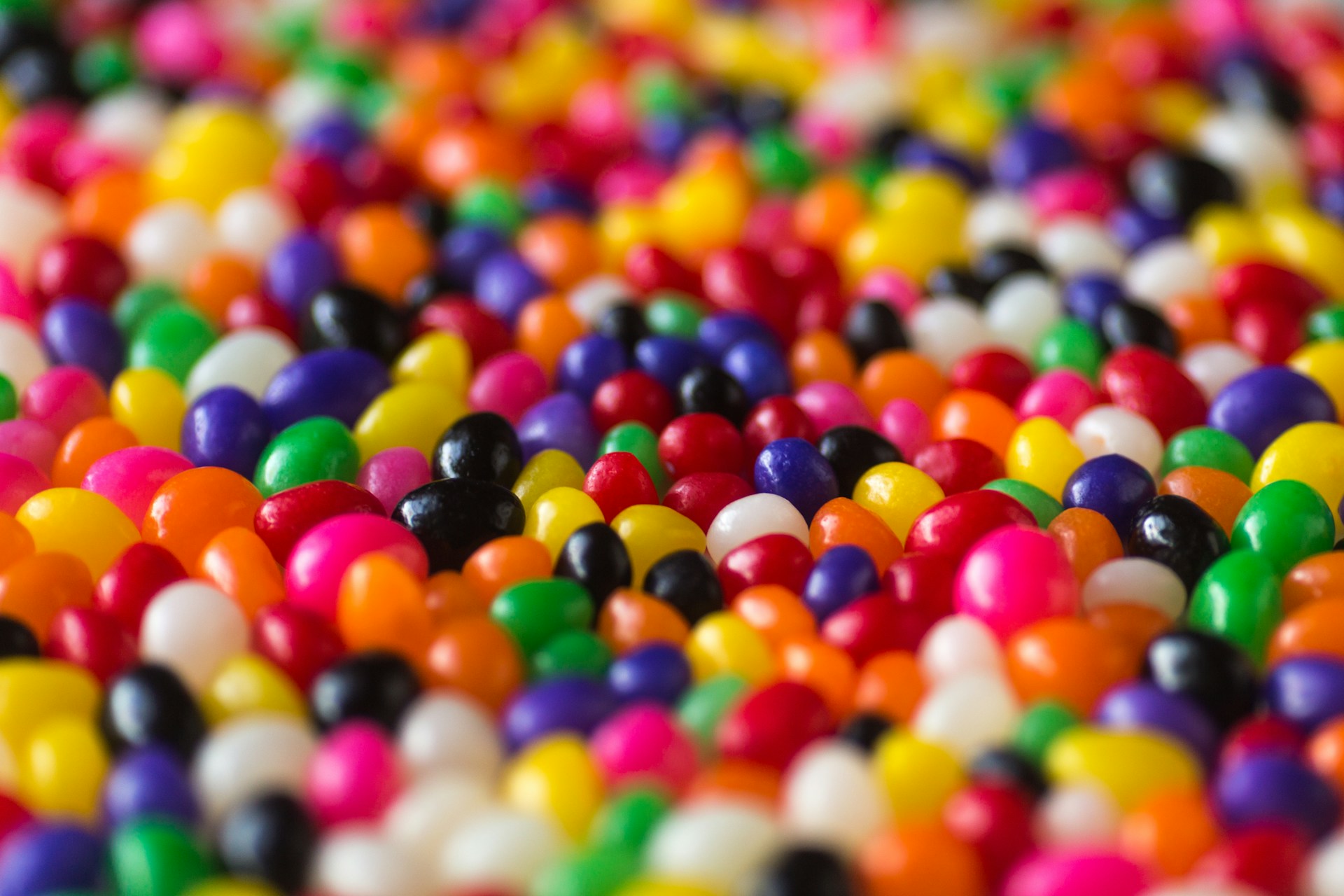
After all these years they finally decide to take action now? Trump was defiantly their reason behind this move.
The Food and Drug Administration (FDA) has made a significant move to protect American consumers by officially banning the use of Red No. 3, an artificial dye commonly found in food and beverages. This color additive, also known as erythrosine, is used to give products a vivid, cherry-red hue. The decision to eliminate this substance follows increasing concerns about its safety, particularly after studies linked it to potential health risks, including cancer and behavioral issues in children.
The FDA’s new ruling will require food manufacturers to remove Red No. 3 from their products by January 15, 2027. Companies using the dye in medications have until January 18, 2028, to comply with the new regulations. This change will also impact imported food products, ensuring that they adhere to the same safety standards.
So, what exactly is Red No. 3, and why is it such a concern? This artificial dye is derived from petroleum and is used in a variety of products, from candies and cakes to ice cream and certain medications. While it has been part of the American food landscape for decades, its history is marked by controversy. In 1990, the FDA banned Red No. 3 from cosmetics after studies showed it could cause cancer in lab rats. However, it remained approved for use in food products, even though the Environmental Working Group has pointed out that more than 3,000 products still contained the dye.
The push to ban Red No. 3 gained momentum in 2022 when advocates filed a petition with the FDA, citing studies that showed the dye’s cancer-causing effects in high doses in rats. While the FDA’s response was that these effects do not apply to humans at typical exposure levels, the growing body of research prompted the agency to reconsider its approval of the substance.
This move by the FDA aligns with similar actions taken by individual states. California, for instance, became the first state to ban the use of Red No. 3 in food products in 2023, followed by efforts to restrict other artificial dyes in public school food programs. As more states like Illinois and New York push forward with similar bans, the federal government has finally acted, taking steps to protect public health.
It’s important to note that other countries, including members of the European Union, as well as Australia and New Zealand, have already banned Red No. 3 due to its potential risks. With the FDA’s recent decision, the U.S. is now catching up with these international standards, prioritizing the safety of its citizens, especially children, who are often the most vulnerable to the effects of artificial additives.
As Americans continue to demand safer and healthier food options, this ban on Red No. 3 represents a positive step toward greater consumer protection and a cleaner, more transparent food supply. It also underscores the importance of being vigilant about the ingredients in the products we consume and ensuring that the government prioritizes public health over corporate interests.