A new international flashpoint may be emerging—and this time it’s happening just miles from America’s shores.
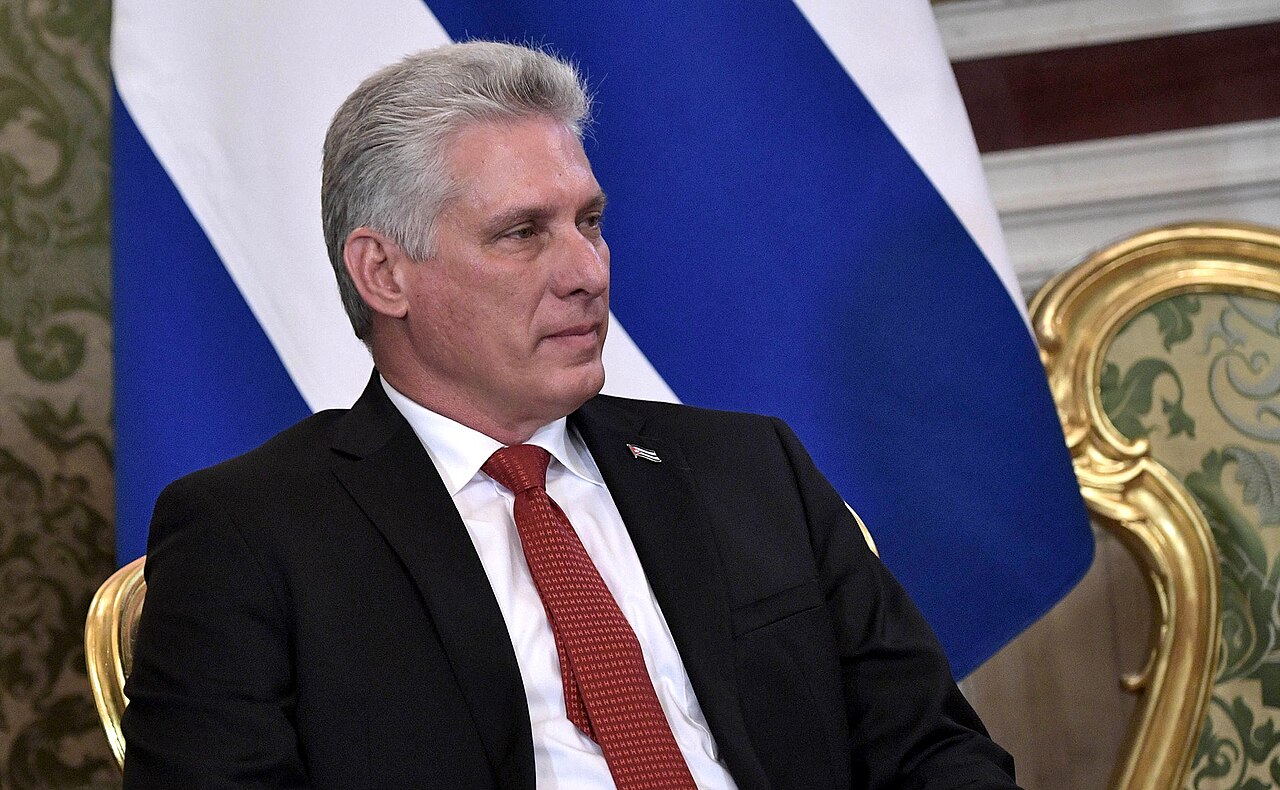
Cuban President Miguel Díaz-Canel is openly challenging Donald Trump, sending a blunt message as tensions between the United States and Cuba begin to rise again.
Cuban Leader Issues Stark Warning
In a high-profile interview, Díaz-Canel made it clear he is not intimidated by the United States—or President Trump.
“I have no fear,” he said, adding that he would be willing to give his life to defend Cuba’s communist system.
That kind of rhetoric is raising eyebrows, especially as the Trump administration signals a renewed focus on national security threats closer to home.
For many Americans, particularly those who remember the Cold War, this language sounds all too familiar.
Trump Signals Tough Action on Cuba
President Trump recently made headlines when he warned that “Cuba is next” while speaking in Miami.
The message was unmistakable: after confronting threats in the Middle East, the administration could shift attention to America’s own hemisphere.
This approach reflects Trump’s long-standing America First foreign policy, which prioritizes protecting U.S. interests and confronting hostile regimes—especially those operating near U.S. borders.
Cuba’s Crisis Deepens
While Cuba’s leadership continues to project strength, conditions inside the country tell a very different story.
The island nation is facing:
- Severe food shortages
- Limited access to medicine
- Failing infrastructure
- Widespread economic hardship
Díaz-Canel blamed U.S. sanctions for the crisis, claiming restrictions have made it difficult to secure basic supplies.
However, critics argue the real issue is decades of failed communist policies that have left the Cuban people struggling for survival.
Defiance… But Also Concern
Despite his bold tone, Díaz-Canel acknowledged that Cuba is under pressure.
He warned that any U.S. military action would result in “immense losses,” while insisting Cuba is preparing to defend itself—not attack.
Still, his comments suggest growing concern inside the regime as pressure from Washington increases.
Calls for Talks—But Trust Is Low
Interestingly, the Cuban leader did not completely shut the door on diplomacy.
He said negotiations with the United States are “possible,” but also accused U.S. officials of undermining past agreements.
According to Díaz-Canel, distrust remains high—especially as the U.S. continues to take strong action against adversarial nations.
What This Means for America
For many conservatives, this situation reinforces why strong leadership matters on the world stage.
President Trump’s firm stance sends a clear message:
👉 The United States will not tolerate threats in its own backyard
👉 Weakness is no longer an option
👉 America’s safety comes first
With Cuba just 90 miles from Florida, any escalation could have serious consequences—not just for foreign policy, but for national security.
Bottom Line
Another foreign leader is testing President Trump—but this is not unfamiliar territory.
As tensions rise, one thing is clear: the world is watching to see whether Cuba backs down… or whether this standoff becomes something much bigger.