Democrats are going to make things as difficult as possible for Trump.
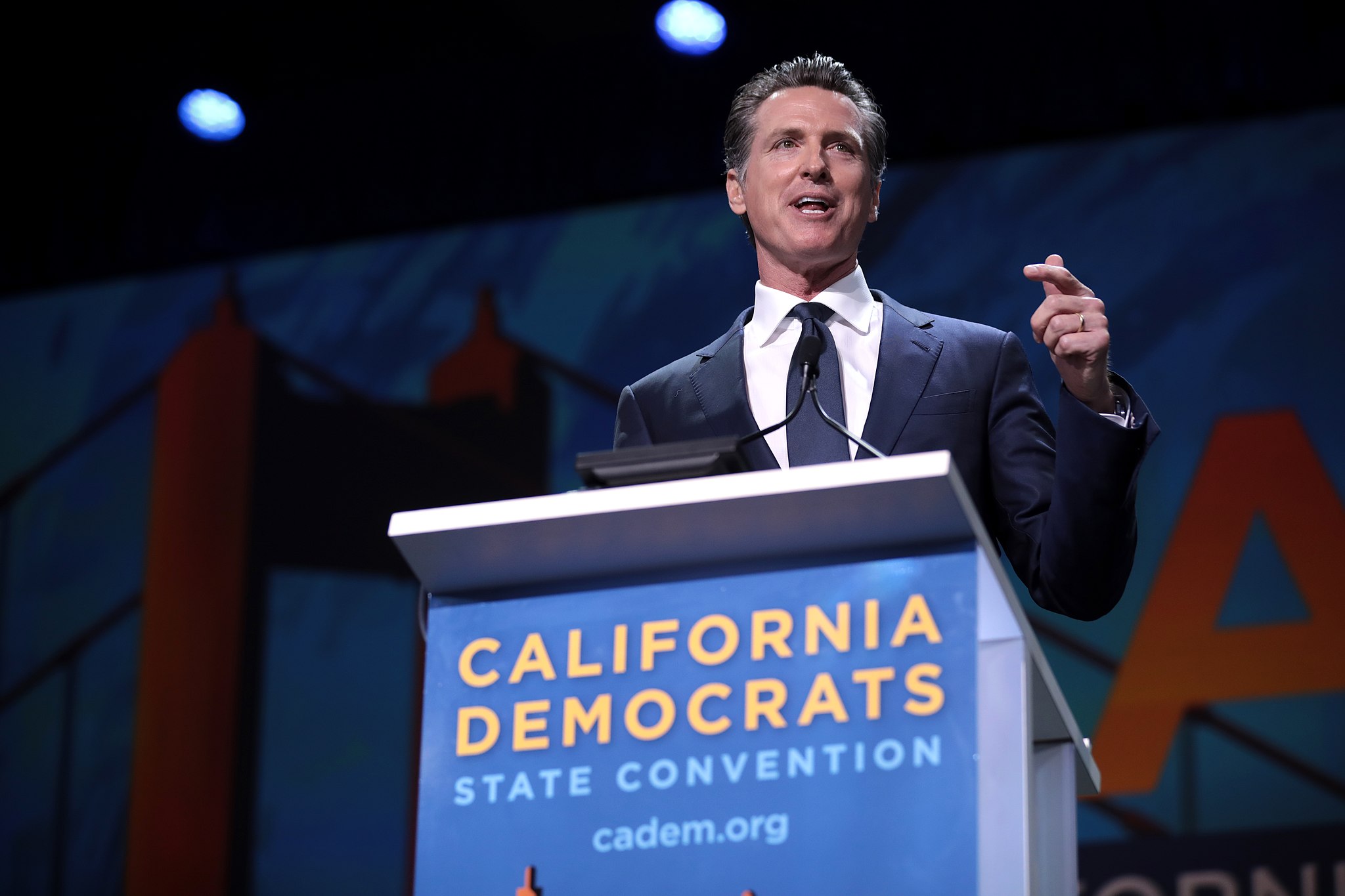
California’s Democratic Governor Gavin Newsom is proposing a bold new initiative to boost electric vehicle (EV) adoption in his state, potentially offering state-funded tax rebates to residents who purchase EVs. This move comes in response to the uncertainty surrounding the future of federal EV tax credits, particularly in light of President-elect Donald Trump’s campaign pledge to eliminate them. With these federal incentives at risk, Newsom aims to preserve California’s leadership in clean energy by reactivating and expanding the state’s Clean Vehicle Rebate Program, which wrapped up in 2023 after helping nearly 600,000 Californians purchase electric cars.
Under Newsom’s proposal, the funding for the new rebates could come from California’s Greenhouse Gas Reduction Fund, which is sustained by the state’s cap-and-trade program. While the exact details of the rebate structure remain to be seen, the plan would be a key part of Newsom’s broader effort to maintain California’s dominance in the electric vehicle market, which has already surpassed 2 million zero-emission vehicles on the road.
This initiative follows Trump’s campaign promises to eliminate the federal EV tax credit, which currently offers up to $7,500 for new EVs and $4,000 for used models. However, since Tesla CEO Elon Musk has emerged as a major supporter of Trump’s administration, it’s unclear whether Trump’s position on the issue will shift.
The original state rebate program, which ended in 2023, provided up to $2,500 for EV buyers. The revamped program could include new measures to foster innovation and competition in the rapidly growing electric vehicle market. In 2023, California set a new record, with nearly 450,000 electric vehicles sold—a 29 percent increase from the previous year.
Despite the state’s aggressive push for cleaner energy, Newsom’s administration is facing increasing pressure from the oil industry and rising gas prices, which remain the highest in the nation. As California moves forward with ambitious climate goals, including the planned phase-out of gas-powered cars by 2035, the state’s policies continue to be a focal point in the national debate over energy, emissions, and economic growth.
Republican critics of Newsom’s approach argue that these state-level policies could drive up costs for consumers and businesses, and may not be sustainable in the long run. With higher taxes, stricter regulations, and a heavy reliance on green energy initiatives, many conservatives view California’s environmental agenda as a costly experiment that could undermine the state’s economy. As the debate continues, Newsom’s proposal signals that the Golden State is doubling down on its environmental ambitions, regardless of the direction taken by the federal government.