Here’s what happened.
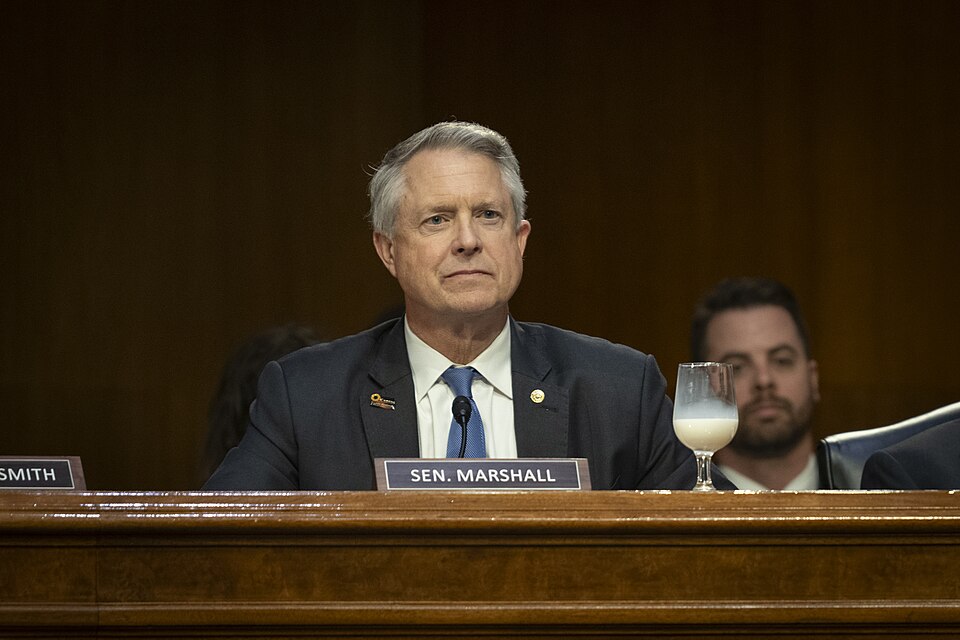
A Republican U.S. senator from Kansas is facing fresh political scrutiny after a local bakery owner revealed that his campaign allegedly left a nearly $700 bill unpaid for six years.
Sen. Roger Marshall, who is seeking reelection in November, has now paid $1,300 to settle the outstanding bill after the controversy spread across social media.
The dispute involves baked goods ordered for Marshall’s 2020 Republican primary election celebration. Although the original invoice was relatively small, the situation has raised questions about campaign accountability, financial responsibility, and the treatment of small businesses.
Marshall insists he was unaware of the unpaid bill and took immediate action once the problem came to his attention.
Kansas Bakery Owner Reveals Six-Year-Old Unpaid Bill
The controversy began when Holly Thomas, owner of Holly’s Sweet Treats in Hutchinson, Kansas, publicly described her experience with Marshall’s campaign.
According to Thomas, the campaign placed an order for cookies, cupcakes, and brownies for its 2020 primary election watch party.
The bakery completed the order, but Thomas said the campaign never paid the $678.75 invoice.
At the time, Thomas was operating a relatively new business during the COVID-19 pandemic, when many small businesses were struggling to remain open.
She explained that the unpaid bill created an additional financial burden during an already difficult period.
Thomas said she spent nearly a year attempting to collect the money, contacting the campaign through repeated phone calls and emails.
According to her account, those efforts failed to produce either a response or payment.
After waiting six years, Thomas decided to share her experience publicly on Facebook.
Her post quickly attracted widespread attention, turning a local business dispute into a political controversy involving a sitting United States senator.
Marshall Responds After Complaint Goes Public
As criticism spread online, Marshall addressed the situation in a public statement on Saturday, October 10.
The Kansas Republican said he had no knowledge of the outstanding invoice and could not explain how the payment had been overlooked.
Marshall maintained that his team attempted to contact the bakery and apologize as soon as the issue became known.
He also announced that the outstanding bill had been settled.
Rather than paying the original $678.75, Marshall shared a digital receipt showing a payment of $1,300 to Holly’s Sweet Treats.
The amount was approximately twice the original charge.
The senator characterized the payment as an effort to correct the oversight and compensate the business for the lengthy delay.
Thomas later confirmed that the money had arrived and that the six-year-old invoice could finally be marked as paid.
While the financial disagreement appears resolved, the circumstances surrounding the delayed payment have continued to attract political attention.
Small Business Accountability Becomes Central Issue
The incident has generated discussion about the importance of honoring financial commitments, particularly when dealing with small businesses.
Unlike major corporations, smaller establishments often operate with limited cash reserves and depend heavily on receiving timely payments from customers.
An unpaid invoice of several hundred dollars can have a meaningful impact on a new business, especially when employees, equipment, ingredients, and other operating expenses must still be covered.
For Thomas, the disagreement was about more than political differences.
She emphasized that her frustration stemmed from her experience as a business owner who had provided goods and expected to receive payment.
The situation has also highlighted the responsibilities of political campaigns when working with local companies.
Campaigns regularly purchase food, printing services, advertising, event supplies, and other products from businesses throughout their communities.
Ensuring those vendors receive timely payment is an important part of responsible financial management.
In Marshall’s case, his eventual payment brought the dispute to an end, but questions remain about how the original invoice went unpaid for so long.
Controversy Comes During Important Senate Election
The timing of the bakery dispute could create another political challenge for Marshall as he campaigns for a second term in the U.S. Senate.
The Kansas Republican faces Democratic challenger Adam Hamilton in the November 3, 2026, election.
Kansas has historically been a Republican stronghold, but the race has attracted increased attention as polling suggests a potentially competitive contest.
The bakery incident has provided another topic for discussion as voters evaluate Marshall’s record.
For some voters, his decision to pay approximately twice the original invoice may demonstrate a willingness to correct a mistake once it was discovered.
Others may remain concerned that the bakery owner had to publicly raise the issue after years of unsuccessful collection attempts.
The disagreement has also received attention because of earlier reporting concerning debt collection practices associated with Marshall’s former medical practice.
Those reports examined lawsuits involving patients with unpaid medical bills.
Marshall’s representatives have previously defended his work as a physician, emphasizing that he treated patients regardless of their financial circumstances.
The bakery situation is a separate matter, but both controversies have placed additional focus on financial responsibility and accountability.
Republican Senator Moves To Put Dispute Behind Him
With the bakery bill now paid, Marshall can focus on the final weeks of his reelection campaign.
The Kansas senator continues to face questions about economic issues, government spending, and the financial challenges affecting families and businesses across his state.
The bakery controversy illustrates how an unresolved financial obligation can become a much larger public issue when it involves an elected official.
It also demonstrates the influence social media can have in bringing attention to disputes that might otherwise remain private.
In this case, a business owner who said she had waited six years for payment received the outstanding money shortly after discussing the matter publicly.
Marshall has acknowledged the oversight, apologized, and provided compensation exceeding the original invoice.
Whether that response satisfies voters will ultimately be determined by their individual assessments of the senator’s leadership and accountability.
What This Means Going Forward
For many Americans, supporting small businesses and honoring financial obligations are fundamental expectations that apply to everyone, including elected officials.
The dispute involving Marshall and Holly’s Sweet Treats is a reminder that even relatively modest financial disagreements can carry significant consequences when left unresolved.
The Republican senator has now paid $1,300 to settle a bill that originally totaled $678.75.
The bakery owner has confirmed receiving the payment, bringing an end to a dispute that began during the 2020 election cycle.
Although the financial matter is closed, the political discussion surrounding it may continue as Kansas voters prepare to cast their ballots in November.
For Marshall, the question now is whether his explanation and subsequent payment will be enough to put the controversy behind him.