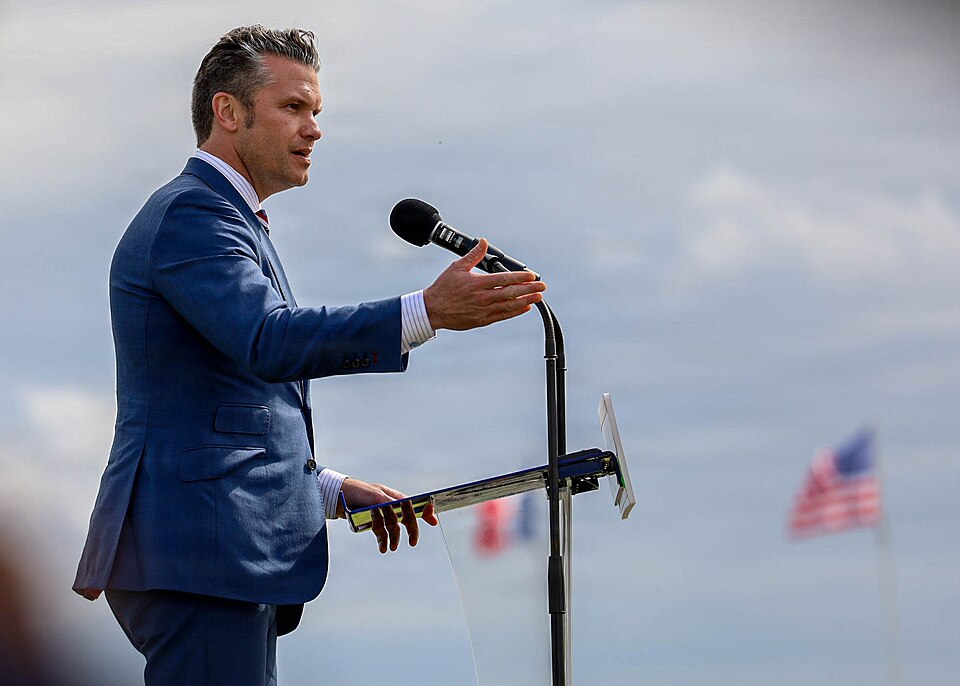
Defense Secretary Pete Hegseth is under intense scrutiny after defending the Trump administration’s interpretation of the War Powers Act—and critics say the stakes couldn’t be higher.
At the center of the controversy: whether a ceasefire with Iran can legally pause the 60-day limit on military action without congressional approval.
Hegseth says yes.
Democrats say absolutely not.
And with the deadline approaching fast, the clash is raising serious constitutional questions.
Democrats Push Back—But Is It Political?
During a heated exchange, Sen. Tim Kaine argued that the law does not allow any “pause” simply because fighting temporarily stops.
He warned the administration’s position could undermine Congress’s authority over war decisions.
But supporters of President Donald Trump say the criticism ignores reality on the ground—where ceasefires often shift the nature of military engagement.
Tense Hearing Reveals Deep Washington Divide
Appearing alongside Joint Chiefs Chairman Dan Caine, Hegseth faced hours of questioning before the Senate Armed Services Committee.
Democrats pressed hard on the cost of the Iran conflict and the administration’s strategy.
Republicans, on the other hand, focused on strengthening America’s military and ensuring the U.S. stays ahead of global threats.
The divide was clear—and growing.
Viral Video Controversy Adds Fuel to the Fire
The hearing took another turn when lawmakers brought up a controversial video encouraging U.S. troops to resist unlawful orders.
Sen. Mark Kelly, who appeared in the video, challenged the Pentagon’s attempt to discipline him—a move that has already been blocked by a federal judge.
Sen. Elissa Slotkin joined in, raising concerns about military messaging during wartime.
Kelly also pointed to a past comment from Hegseth about showing “no mercy” to enemies, suggesting it could conflict with military law.
Hegseth didn’t back down:
“We fight to win—and we follow the law.”
Elizabeth Warren Accuses—Hegseth Fires Back
Sen. Elizabeth Warren escalated tensions further, questioning whether Hegseth financially benefited from defense-related investments before the conflict intensified.
Hegseth shut it down immediately.
“Not even close,” he said, rejecting the claim outright.
He added that his independence is exactly why he can serve effectively:
“No one owns me.”
Did He Go Behind Trump’s Back?
Perhaps the most explosive claim came from Rep. Jason Crow, who accused Hegseth of acting without President Trump’s knowledge.
That accusation drew a firm denial.
Hegseth insisted he has never misled Donald Trump on military strategy.
Sen. Tom Cotton gave both Hegseth and Gen. Caine the chance to respond directly—and both rejected the claim.
$1.5 Trillion Defense Plan Signals Major Shift
Beyond the controversy, the hearing highlighted a massive proposal: a record $1.5 trillion defense budget.
Hegseth argued the investment is critical after years of what he described as declining military strength.
Key priorities include:
- Next-generation drone warfare
- Advanced missile defense systems
- Expanded naval power
Gen. Caine emphasized that military leaders must provide every possible option to civilian leadership during high-stakes conflicts.
GOP Raises Concerns Over Sudden Army Leadership Exit
Sen. Joni Ernst also raised eyebrows over the abrupt retirement of Randy George.
She praised his leadership, noting he helped guide the Army through one of its worst recruiting crises in decades.
His sudden departure, she suggested, deserves closer attention.
Final Takeaway
This isn’t just another Washington hearing.
It’s a high-stakes battle over who controls America’s war powers, how conflicts are managed, and whether political agendas are shaping national security decisions.
For supporters of President Trump, the administration is taking decisive action to protect American strength.
For critics, serious questions remain unanswered.
One thing is certain: This fight is far from over.