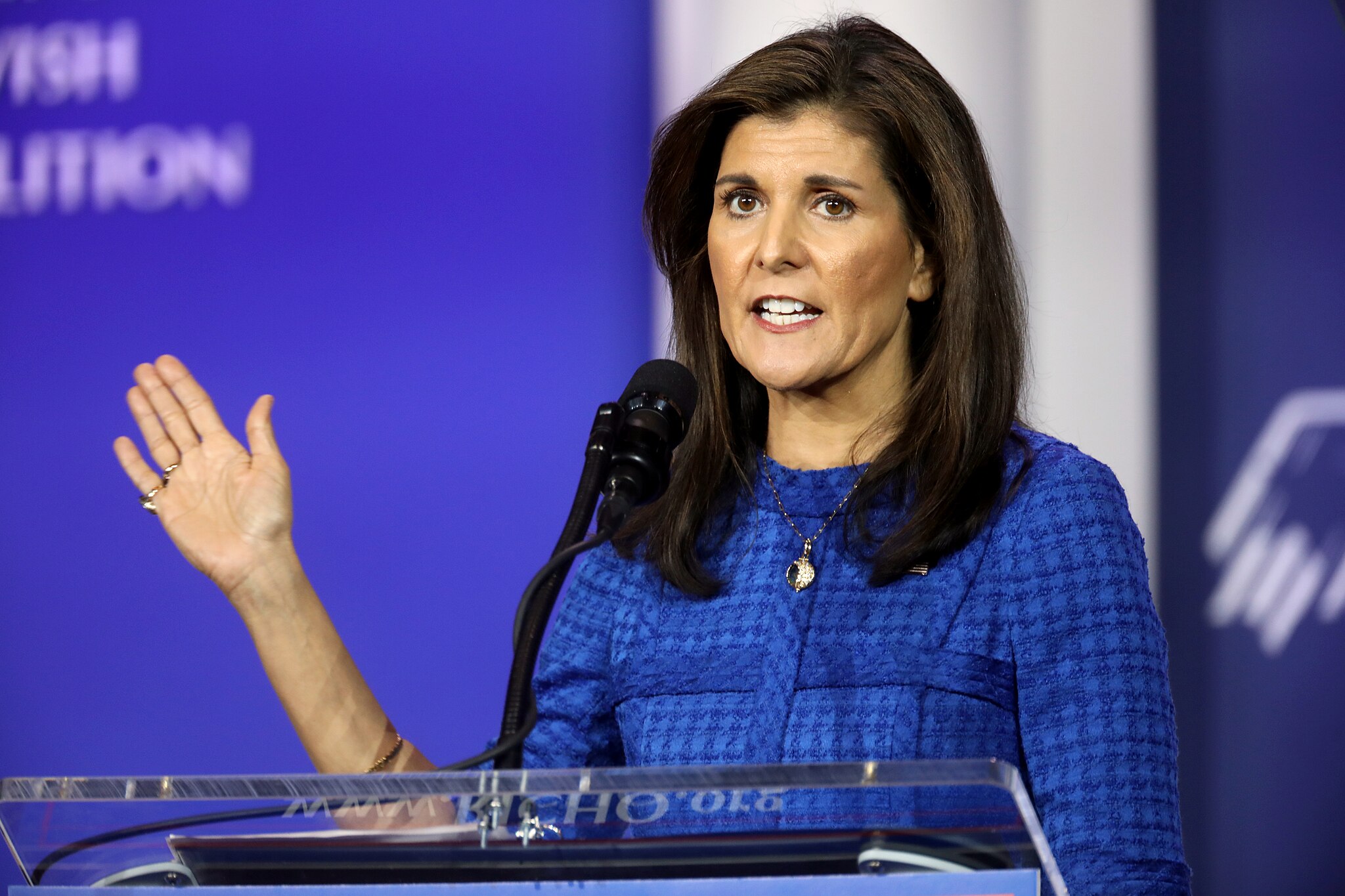
Haley is attacking Trump like never before.
WASHINGTON, D.C. – Former U.N. Ambassador Nikki Haley is sharply criticizing President Donald Trump’s recent claim that Russia’s President Putin could assist broker a nuclear agreement with Iran—calling the move “ludicrous” and a betrayal of America’s closest allies.
🔻 Haley Sounds the Alarm: “Russia and Iran Are Strategic Partners”
In a post on X, Haley didn’t hold back:
“Russia has been supplied with drones and ballistic missiles by Iran to fuel its assault on Ukraine,” she stated. “The idea that Putin could serve as a neutral negotiator is beyond absurd.”
Haley warned that allowing Putin to negotiate on America’s behalf “is a backhanded slap to all of our allies” and undermines U.S. strength on the world stage.
🔹 Sponsored content may appear below
📞 Trump-Putin Call Raises Eyebrows Among Foreign Policy Hawks
According to President Trump’s statement on Truth Social, he and Putin spoke for over an hour on Wednesday, discussing a range of issues including the Ukraine conflict and nuclear talks with Iran.
Trump revealed,
“President Putin suggested he could help bring Iran to the table for a faster resolution. It’s my view that Iran is deliberately stalling.”
This unexpected announcement drew immediate backlash from conservative foreign policy experts and longtime Iran skeptics.
❌ Haley’s Warning: Don’t Trust Tehran – Ever
Haley, who faced Trump in the 2024 GOP primary, has a long history of opposing Iran’s nuclear ambitions.
“Iran has violated every deal it has ever signed,” she said in April. “They cannot be trusted with any nuclear capability. Period.”
As U.N. Ambassador under Trump, Haley was instrumental in advocating for America’s withdrawal from the 2015 Obama-era Iran nuclear deal—a move cheered by conservative voters and America First supporters.
🇺🇸 America First or Appeasement?
For many conservative Americans, Haley’s words ring true: trusting Russia and Iran—two nations hostile to U.S. interests—is not only risky, it’s unacceptable.
With tensions rising globally and rogue regimes on the move, voters over 50 who remember the Cold War era are asking: Can we afford to let our enemies call the shots?