This was a surprising statement.
Former Vice President Mike Pence is raising serious questions about a top official in President Donald Trump’s administration, suggesting that a Cabinet secretary may need to lose his job over a growing controversy involving China and sensitive American technology.
The official in question is Commerce Secretary Howard Lutnick, who is facing increased scrutiny over his department’s handling of restrictions on advanced artificial intelligence chips.
Pence’s comments come as concerns grow over whether American technology has been reaching Chinese companies despite national security safeguards intended to prevent such transfers.
The controversy has also exposed disagreements within Trump’s administration over how aggressively the United States should confront China.
Pence Suggests Trump May Need To Make A Major Change
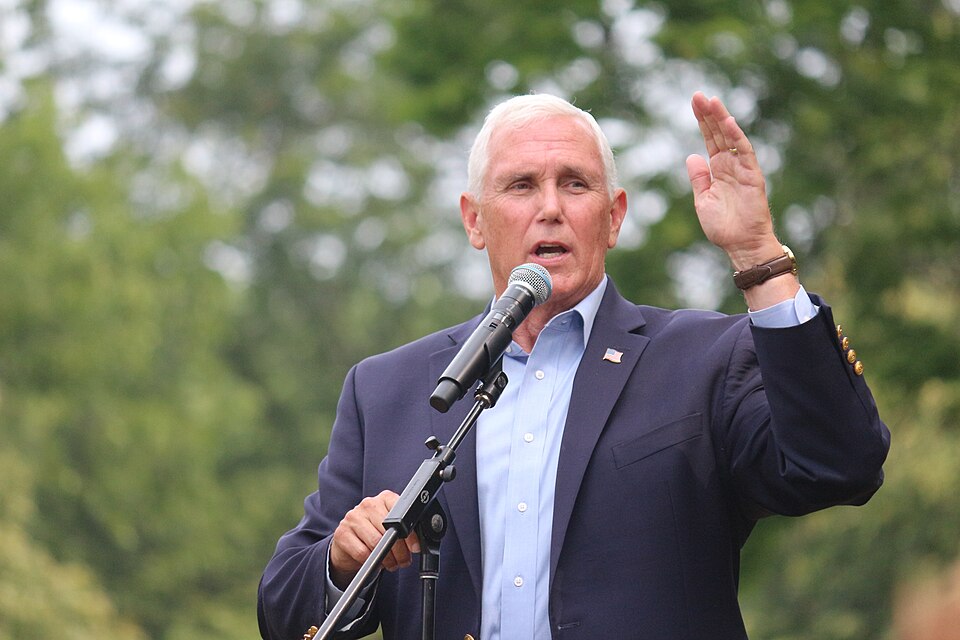
During a Tuesday interview with CNN host Kaitlan Collins, Pence was questioned about the ongoing controversy involving semiconductor manufacturer Nvidia and the Commerce Department.
The former vice president expressed frustration over reports that advanced American technology may have reached Chinese companies through overseas business arrangements.
Pence argued that the United States must take stronger precautions to prevent sensitive technology from benefiting potential foreign adversaries.
When Collins asked whether Lutnick should be removed from his position, Pence responded that investigators needed to establish what happened before any final decision.
However, he acknowledged that the commerce secretary “may need to go.”
The statement represents a significant public criticism from Trump’s former vice president, particularly because the controversy involves a senior official responsible for overseeing American trade and technology exports.
Pence also questioned why existing restrictions had been relaxed, suggesting that the administration should explain the decisions that allowed the situation to develop.
China Technology Controversy Sparks National Security Concerns
The controversy centers on Nvidia, a major American manufacturer of advanced computer chips used in artificial intelligence systems.
These powerful chips are essential for developing sophisticated technology, including systems that can have military and intelligence applications.
American officials have long expressed concerns about China obtaining advanced semiconductor technology that could strengthen its military capabilities.
Recent scrutiny has focused on Megaspeed, a Singapore-based technology company suspected of helping Chinese businesses gain access to advanced Nvidia technology through overseas facilities.
The company has faced questions about whether its operations allowed restrictions on sensitive American technology to be circumvented.
The situation became more controversial following reports involving Nvidia co-founder Jensen Huang, who recently resigned as the company’s chief executive.
Huang’s departure followed revelations about a personal relationship with a woman whom American intelligence officials reportedly suspected of having connections to Chinese espionage activities.
Those suspicions remain allegations, and the existence of an intelligence investigation does not establish that espionage occurred.
Nevertheless, the controversy has intensified demands for answers about how American technology is being monitored and protected.
Lutnick Faces Questions Over Delayed Restrictions
One of the central questions involves whether Lutnick delayed efforts to impose stronger restrictions on companies suspected of helping China obtain advanced American technology.
According to reporting from Axios, Trump supported tougher action against suspected chip diversions on multiple occasions.
However, Lutnick reportedly resisted some of those restrictions because he was concerned they could trigger a broader trade confrontation with Beijing.
Treasury Secretary Scott Bessent has also expressed frustration over the handling of the situation.
Bessent indicated that several senior administration officials supported placing additional restrictions on Megaspeed and similar businesses.
The Commerce Department is responsible for administering many of the export controls designed to prevent sensitive American technology from reaching restricted foreign entities.
Critics argue that delays in enforcing those restrictions could give Chinese companies opportunities to access powerful technology that American officials have sought to protect.
Lutnick’s position has been that trade restrictions must also account for the potential economic consequences of escalating tensions with China.
That disagreement has become a major issue within the administration.
Trump Defends His Commerce Secretary
Despite growing criticism, President Trump has publicly defended Lutnick.
When asked on Monday whether he was considering replacing the commerce secretary, Trump rejected the suggestion and praised his performance.
The president described the dispute between his senior advisers as a disagreement over how best to approach China.
Some administration officials favor aggressive restrictions intended to prevent American technology from strengthening Chinese competitors.
Others believe economic engagement and carefully negotiated trade policies can protect American interests without provoking an unnecessary confrontation.
Trump has acknowledged those competing approaches while continuing to express confidence in Lutnick.
The White House has also defended the commerce secretary’s work on the president’s broader trade agenda, including efforts to strengthen American manufacturing and negotiate economic agreements.
For now, Trump has given no indication that he intends to remove Lutnick from his Cabinet.
Pence Calls For A Tougher Approach To China
Pence’s criticism reflects his longstanding support for confronting China’s economic and national security practices.
During the first Trump administration, Pence supported policies aimed at countering Chinese influence, strengthening American defense capabilities, and challenging unfair trade practices.
He has continued advocating a firm approach toward Beijing since leaving office.
During his CNN appearance, Pence argued that China has spent decades attempting to obtain advanced American technology through espionage and intellectual property theft.
He emphasized that the United States currently holds an important advantage in artificial intelligence and must take steps to preserve it.
Pence also expressed concern about the administration’s broader approach to China, questioning whether Washington has maintained sufficiently strong safeguards.
His remarks highlight a developing disagreement among Republicans over how to balance economic competition, international trade, and national security.
Although Pence and Trump have differed on numerous political issues, the latest dispute centers on a question that has significant consequences for America’s future.
How far should the federal government go to prevent advanced American technology from benefiting China?
Congressional Scrutiny Continues To Grow
The controversy is drawing attention from lawmakers in both political parties.
Members of Congress have sought additional information about the Commerce Department’s decisions regarding Nvidia, Megaspeed, and restrictions on advanced technology exports.
Some lawmakers want to determine whether stronger enforcement could have prevented sensitive American chips from reaching Chinese businesses.
Others are examining possible financial conflicts involving business interests connected to Lutnick’s family.
Democratic lawmakers have requested information about Cantor Fitzgerald, the financial services company chaired by Lutnick’s son Brandon, as part of an inquiry into whether business interests may have influenced government decisions.
Those inquiries are ongoing, and the allegations have not established that Lutnick improperly used his position.
The Commerce Department is also facing pressure to explain how it evaluates the national security risks associated with foreign technology transactions.
The Trump administration has since introduced additional restrictions intended to prevent overseas data centers from providing unauthorized access to advanced American computing technology.
Those measures demonstrate the growing importance Washington is placing on closing potential gaps in export enforcement.
What This Means For America’s Future
The dispute extends beyond one Cabinet official or one technology company.
Artificial intelligence is becoming increasingly important to America’s economy, military preparedness, national defense, and international competitiveness.
Advanced computer chips are at the center of that development.
Companies that control the technology needed to build powerful AI systems could play an increasingly important role in determining which countries hold the greatest technological advantages.
That makes the protection of American innovation a major concern for policymakers.
For taxpayers and American families, the controversy also raises familiar questions about government accountability.
When senior officials make decisions involving national security, the public has a legitimate interest in understanding how those decisions were reached and whether appropriate safeguards were followed.
At the same time, policymakers must consider the economic consequences of restrictions that affect major American businesses.
Finding the right balance between protecting sensitive technology and maintaining a competitive economy will remain a central challenge for Washington.
Will Trump Make A Change?
Pence’s suggestion that Lutnick may need to leave the administration has added another layer of pressure to an already complicated controversy.
However, the former vice president stopped short of demanding an immediate dismissal, acknowledging that investigators must first determine the facts.
Trump, meanwhile, continues to stand behind his commerce secretary.
As congressional inquiries and questions about technology exports move forward, the administration will face continued pressure to explain how it plans to prevent sensitive American technology from reaching China.
The outcome could influence future decisions involving trade restrictions, artificial intelligence, and America’s economic relationship with Beijing.
For now, Lutnick remains in his position, and Trump retains the final say over whether a leadership change is necessary.
The larger question is whether the administration can resolve the controversy while demonstrating that protecting American technology and national security remains a top priority.