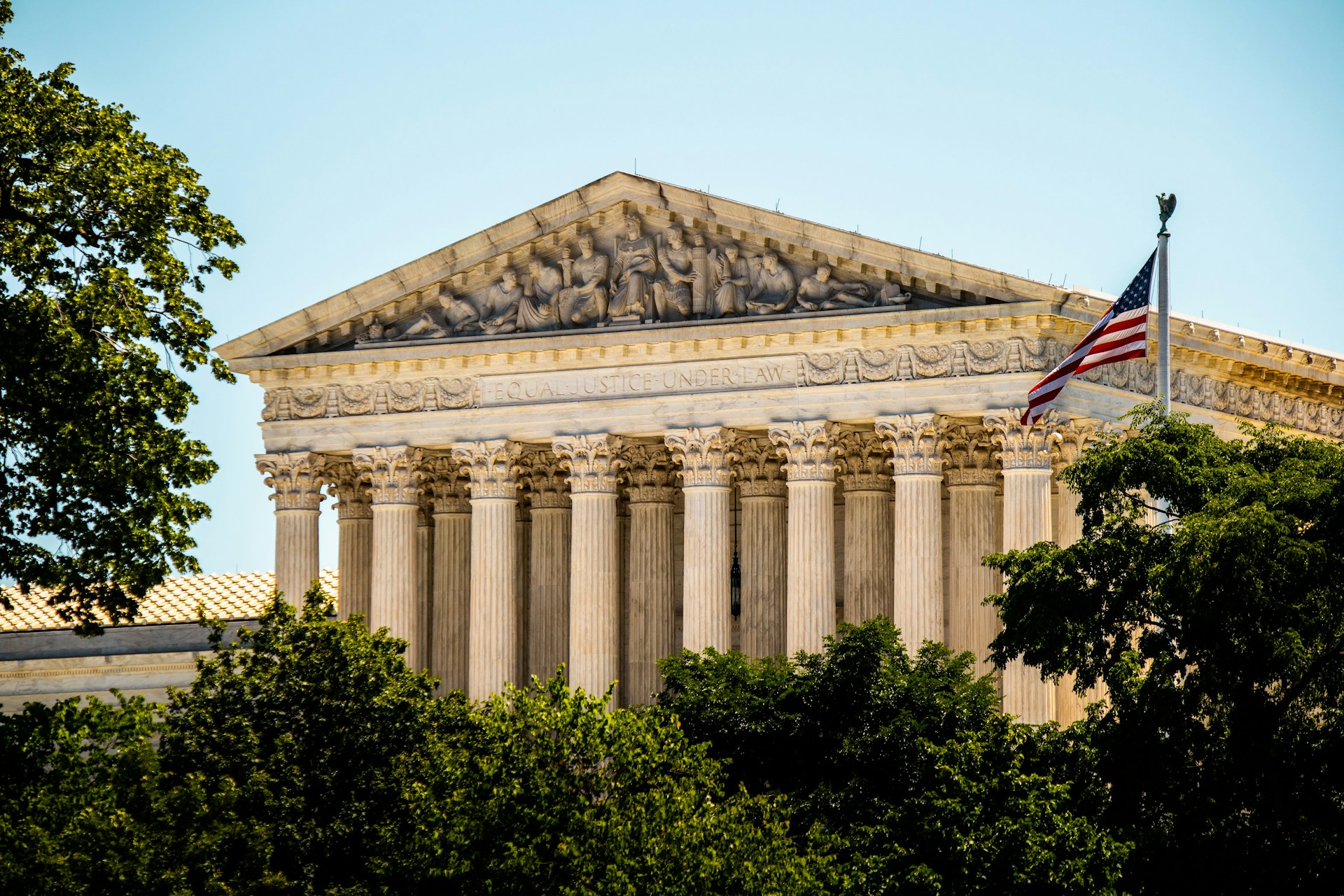
The U.S. Supreme Court is stepping into one of the most explosive constitutional battles in decades—and the outcome could reshape what it means to be an American citizen.
At the center of the case is former President Donald Trump’s push to end automatic birthright citizenship, a policy many conservatives have long questioned.
What the Supreme Court Is Actually Deciding
This week, the justices will hear arguments over whether Trump’s executive order—aimed at limiting birthright citizenship—fits within the Constitution.
The key issue is simple but powerful:
Should anyone born on U.S. soil automatically become a citizen, regardless of their parents’ legal status?
Lower courts have blocked Trump’s order so far, citing long-standing precedent. But now, the highest court in the land will have the final say.
Why This Case Could Change Everything
For more than 100 years, courts have broadly supported birthright citizenship. But today’s Supreme Court has shown it is willing to revisit major rulings.
Recent landmark decisions—like the overturning of Roe v. Wade and limits placed on federal agency power—prove that nothing is off the table.
That’s why many legal experts believe this case could result in a historic shift in immigration law and constitutional interpretation.
The 14th Amendment: One Phrase, Big Debate
The entire case hinges on just a few words in the Constitution:
“All persons born or naturalized in the United States, and subject to the jurisdiction thereof, are citizens…”
The debate comes down to the meaning of “subject to the jurisdiction thereof.”
Supporters of Trump’s position argue this phrase has been stretched too far—and was never meant to apply to everyone born in the country.
Some point to historical records showing that lawmakers originally excluded certain groups, including children of foreign officials.
The 1898 Case That Defined Birthright Citizenship
The modern interpretation comes from the Supreme Court’s 1898 ruling in United States v. Wong Kim Ark.
In that case, the Court ruled that a man born in the U.S. to non-citizen parents was still an American citizen.
The decision has shaped immigration law ever since—but critics argue it may not fully apply to today’s challenges, especially with illegal immigration and border security concerns.
Why Millions of Americans Are Watching Closely
For many Americans—especially those concerned about border security—this case goes far beyond legal theory.
It touches on questions like:
- National sovereignty
- Immigration enforcement
- The future of American citizenship
Supporters of reform argue that current policies may encourage illegal immigration and “birth tourism.”
Others warn that changing birthright citizenship could create legal uncertainty.
When Will the Supreme Court Decide?
The Court is expected to issue its ruling by late June, at the end of its term.
Until then, all eyes will be on the justices as they weigh one of the most consequential constitutional questions in modern history.
The Bottom Line
This isn’t just another legal case—it’s a defining moment.
The Supreme Court’s decision could either reaffirm more than a century of precedent—or open the door to a major shift in how citizenship is granted in the United States.
And for millions of Americans, the outcome could have lasting effects for generations to come.