This was surprising to see.
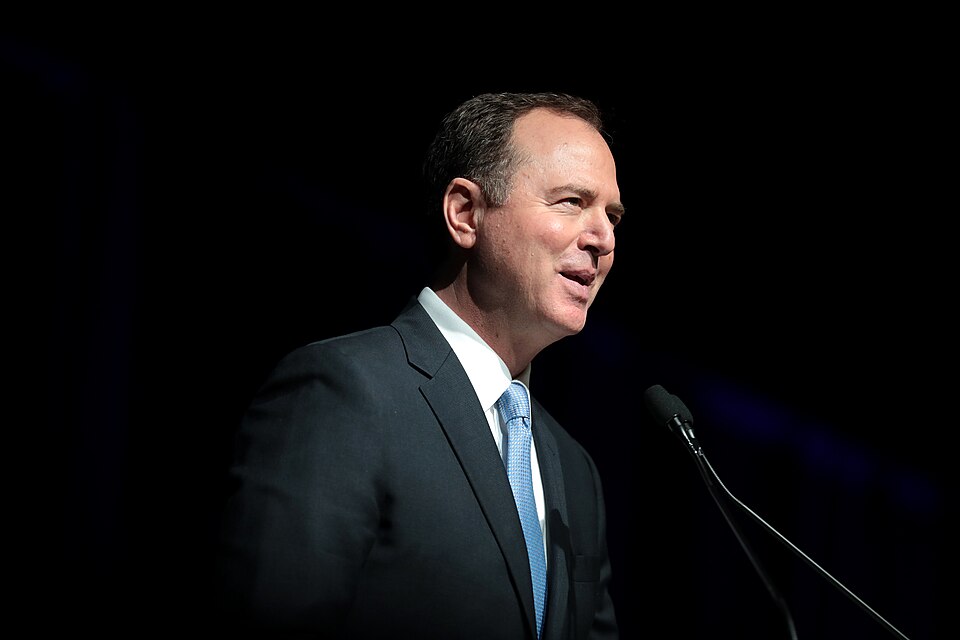
Former GOP L.A. mayoral candidate Spencer Pratt is offering some unexpected praise to Democratic Sen. Adam Schiff after the California senator helped advance bipartisan legislation designed to provide tax relief to victims of wildfires and other major disasters.
Pratt, whose home was destroyed in the devastating 2025 Palisades wildfire, applauded Schiff and Republican Sen. Rick Scott of Florida for working together on the Doug LaMalfa Federal Disaster Tax Relief Certainty Act.
“Major props” to both senators, Pratt wrote on social media, saying disaster recovery is difficult enough without additional financial pressure on families trying to rebuild.
The compliment immediately stood out because Schiff has spent years as one of President Donald Trump’s most prominent Democratic adversaries.
But for Pratt, helping wildfire victims apparently crossed political lines.
Senate Passes Major Disaster Tax Relief Bill
The Senate approved the Doug LaMalfa Federal Disaster Tax Relief Certainty Act on Aug. 7, sending the legislation to President Trump’s desk.
If signed into law, the measure would change how qualifying disaster losses and certain wildfire relief payments are treated under federal tax law.
That could have significant financial implications for homeowners and families who suffered catastrophic property losses.
Under existing federal rules, taxpayers generally face restrictions when attempting to deduct personal casualty losses associated with federally declared disasters.
One important limitation involves a threshold tied to adjusted gross income. For example, a taxpayer with $100,000 in adjusted gross income could face a $10,000 threshold before qualifying losses are taken into account under the applicable rules.
The new legislation would provide more favorable treatment for qualifying disasters occurring between Dec. 28, 2019, and July 4, 2025.
That period includes the California wildfires that destroyed Pratt’s home and thousands of other properties.
What the Disaster Tax Relief Could Mean for Homeowners
For families recovering from a wildfire, hurricane or other major disaster, the financial consequences can continue long after the immediate emergency ends.
Homeowners may face rebuilding expenses, insurance deductibles, temporary housing costs, lost personal property and other unexpected bills.
Tax relief cannot replace a destroyed home, but supporters of the legislation argue that Washington should avoid adding unnecessary financial burdens to people already dealing with enormous losses.
The legislation could make it easier for qualifying taxpayers to receive federal tax relief connected to their disaster losses.
That means affected families could potentially keep more of their own money available for rebuilding and recovery rather than losing additional funds through federal taxes.
For retirees and older homeowners living on fixed incomes, unexpected disaster expenses can be especially difficult to absorb.
Wildfire Relief Payments Could Be Protected From Federal Taxes
Another major provision involves wildfire relief payments.
The legislation would exclude qualifying wildfire relief payments from taxable income, helping prevent victims from receiving recovery assistance only to face a federal income tax bill connected to that money.
That provision could have substantial importance in California, where the economic toll of the 2025 wildfires was staggering.
Nearly 13,000 housing units were destroyed.
The Los Angeles County Economic Development Corporation estimated the overall damage at between $28 billion and $53.8 billion.
Behind those enormous figures are individual homeowners and families confronting difficult questions about insurance coverage, rebuilding costs, property values and their financial futures.
The legislation attempts to address at least part of that burden through the federal tax code.
Republican Rick Scott Explains Why He Worked With Schiff
Scott said his involvement became personal after he traveled to Los Angeles and met Pratt at the remains of his home.
The Florida Republican described seeing Pratt’s burned property as devastating.
Scott also sharply criticized California’s political leadership over its response to the fires. But when an opportunity emerged to provide federal tax relief to victims, he joined forces with Schiff to advance the legislation.
Scott credited Pratt with helping push the issue and thanked him for his efforts on behalf of wildfire victims.
The cooperation between Scott and Schiff offers a rare example of Republicans and Democrats putting aside major political differences to address a specific financial problem facing disaster victims.
How Much Will the Disaster Tax Relief Cost?
Tax relief also has consequences for federal revenue.
The nonpartisan Congressional Budget Office estimated that the Doug LaMalfa Federal Disaster Tax Relief Certainty Act would reduce federal revenues by approximately $408 million between 2026 and 2036.
That raises the broader question lawmakers frequently confront when considering tax legislation: how much relief should Washington provide, and how should the federal government account for the lost revenue?
Supporters see the measure as narrowly targeted assistance for Americans who experienced devastating losses through circumstances beyond their control.
Rather than creating a broad new federal spending program, the legislation primarily uses changes to the tax code to reduce the financial burden facing qualifying disaster victims.
For fiscal conservatives, the distinction between direct government spending and targeted tax relief could become an important part of the discussion surrounding the legislation.
California Republican Also Thanks Adam Schiff
Pratt was not the only Republican voice willing to recognize Schiff’s involvement.
James Johansson, a Republican farmer running for the California State Assembly, publicly thanked both Scott and Schiff for seeing the legislation through the Senate.
Johansson also highlighted the legacy of the late Republican Rep. Doug LaMalfa, for whom the bill is named.
LaMalfa represented Northern California in the House for 13 years and was particularly known for advocating for farmers, ranchers and agricultural communities.
He died in January following a heart-related medical emergency.
The disaster relief legislation now bearing his name could become a significant part of his congressional legacy, particularly for communities repeatedly threatened by wildfires and other natural disasters.
Why Spencer Pratt’s Praise Is Getting Attention
Pratt’s comments are notable precisely because Schiff is hardly a favorite among Trump supporters.
Schiff emerged as one of Trump’s most visible political opponents during the president’s battles with congressional Democrats, making praise from a Republican figure unusual enough to attract attention.
Yet Pratt’s response demonstrates something many voters—especially those frustrated with Washington’s constant partisan fighting—may appreciate.
When politicians produce a result that helps Americans facing genuine hardship, acknowledging that result does not necessarily require abandoning political differences.
Pratt can disagree with Schiff on major political issues while still believing the Democratic senator deserves credit for working with Scott on disaster tax relief.
The Bigger Question for Washington
The legislation now puts the focus on President Trump as wildfire victims and other qualifying disaster survivors wait to see what happens next.
For homeowners affected by catastrophic fires, the debate is about more than partisan politics.
It is about taxes, insurance, rebuilding expenses and whether families recovering from a disaster should face additional financial obstacles from Washington.
Republicans and Democrats will continue battling over taxes, spending and the size of government.
But the cooperation between Scott and Schiff shows that there are still occasions when lawmakers from opposing parties can find common ground.
And for Spencer Pratt, who knows firsthand what it means to watch a home disappear in a wildfire, that was apparently enough to give one of Trump’s longtime Democratic rivals some unexpected credit.