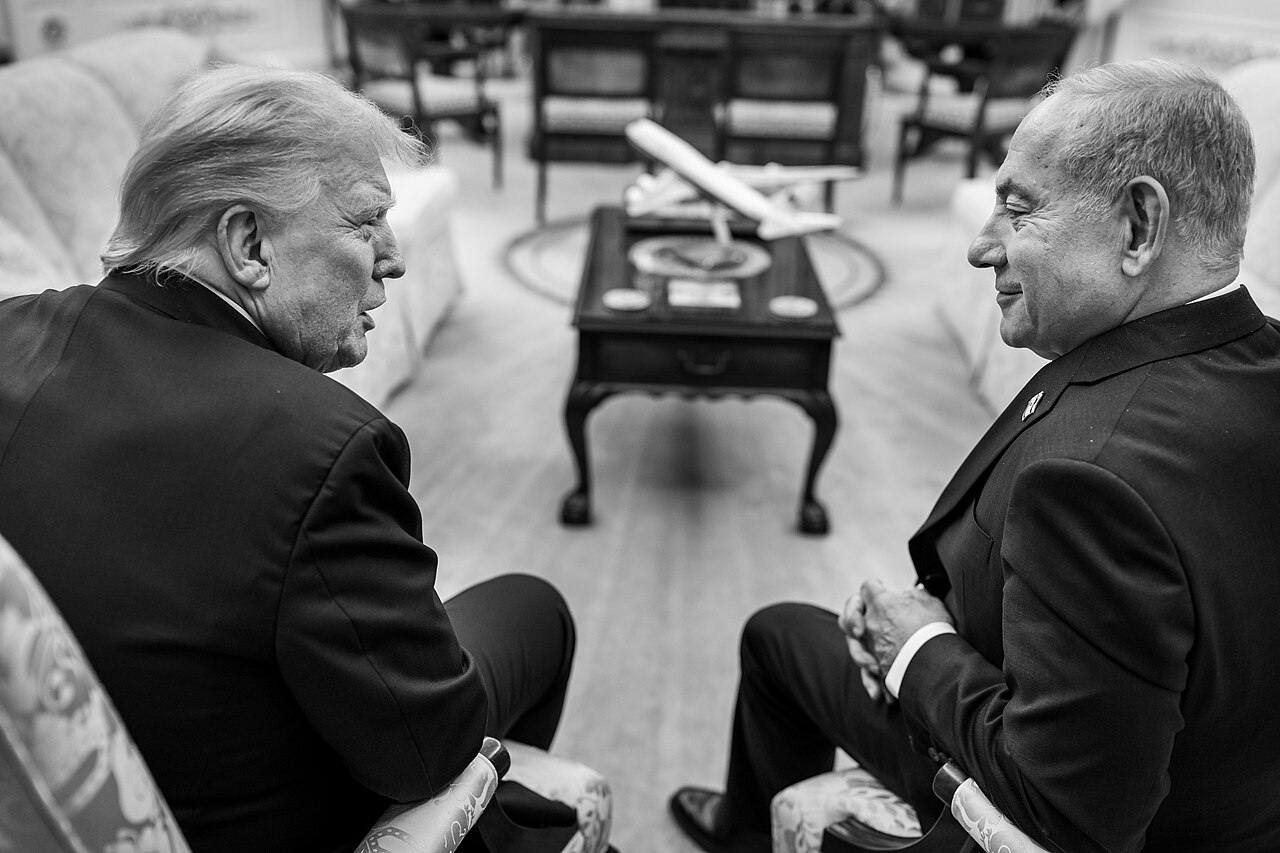
A major rift may be forming between President Donald Trump and one of America’s closest allies — and it’s raising serious concerns about the direction of the escalating Middle East conflict.
While President Trump is working behind the scenes to cool tensions with Iran, Israel is sending a very different message: the fight is far from over.
Netanyahu Signals No Slowdown
Israeli Prime Minister Benjamin Netanyahu announced that his country will continue its aggressive military campaign against Iran — even as the United States explores a possible diplomatic solution.
In a video statement released Monday, Netanyahu confirmed he had spoken with President Trump and acknowledged there may be an opportunity for a deal. However, he made it clear that Israel will keep pushing forward militarily in the meantime.
According to Netanyahu, Israeli forces are actively targeting Iran’s missile systems and nuclear program while also delivering heavy blows to Hezbollah in Lebanon.
In other words — negotiations or not — Israel is staying on offense.
Trump Pushes Diplomacy — For Now
Earlier in the day, President Trump revealed that the United States had engaged in what he described as “productive conversations” with Iran aimed at ending hostilities.
In a significant move, Trump also paused a planned round of strikes on Iranian power facilities — attacks that were set to begin if Iran refused to reopen the critical Strait of Hormuz.
That decision signaled a possible shift toward negotiation rather than immediate escalation.
But Israel’s continued military action could complicate that strategy.
A High-Stakes Ultimatum
Just days before the latest developments, President Trump issued a strong warning to Iran: reopen the Strait of Hormuz within 48 hours or face devastating consequences.
The ultimatum came after Iran launched a major missile strike on the Israeli city of Arad, injuring approximately 180 people and intensifying fears of a broader war.
The situation is rapidly evolving — and the risks are growing by the hour.
Oil Prices Surge — Then Pull Back
As tensions escalated, global oil markets reacted immediately.
Prices skyrocketed from roughly $67 per barrel before the conflict began to nearly $98 at their peak last week — hitting American consumers hard at the gas pump.
After Trump’s announcement about possible talks, prices eased slightly, falling back under $90 per barrel. Still, uncertainty remains high, and energy costs could spike again at any moment.
Iran Denies Talks Ever Happened
Adding to the confusion, Iranian state-linked media quickly denied that any negotiations with the Trump administration had taken place at all.
That contradiction raises serious questions about what’s really happening behind closed doors — and whether a peaceful resolution is even possible.
What This Means For America
For many Americans — especially those watching rising gas prices and growing global instability — this situation is more than just foreign policy.
It’s about national security, economic pressure, and the risk of being pulled deeper into another major conflict.
President Trump appears to be walking a careful line: applying pressure while keeping the door open for a deal.
But with Israel continuing its military campaign at full force, that path forward is becoming more complicated by the day.
Bottom Line
The gap between U.S. strategy and Israeli action is becoming harder to ignore.
And if both sides continue moving in different directions, the consequences could be felt far beyond the Middle East — including right here at home.