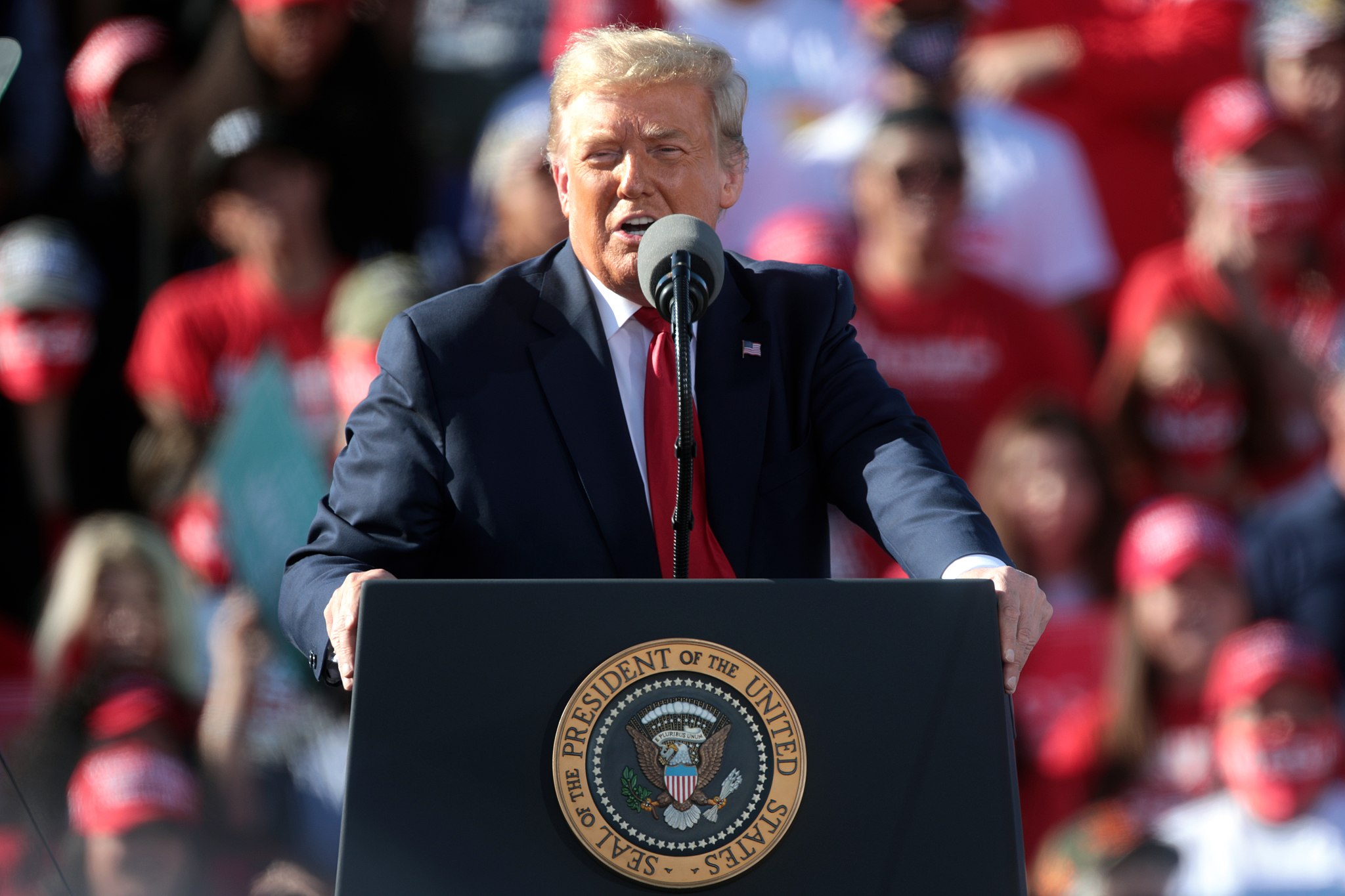
How will President Trump navigate this?
President Donald Trump is now confronting what may be the biggest test of his second term: whether to take decisive action against Iran as tensions skyrocket in the Middle East.
After Israel launched targeted strikes on Iranian nuclear and military sites, the region has edged dangerously close to all-out war. Intelligence warnings have made it clear — Iran is accelerating its nuclear program, and both Israel and the United States believe Tehran may soon reach full nuclear capability.
The big question: Will President Trump act before it’s too late?
The Biden-era appeasement strategy has clearly failed. Trump is now tasked with defending American interests, standing by our ally Israel, and preventing the rise of a nuclear Iran — all while avoiding the kind of endless war many Americans have come to resent.
Middle America Wary, but Watching Closely
New data shared exclusively with Newsweek from Impact Social — a firm that analyzes real-time online sentiment — shows swing voters are deeply divided over possible U.S. involvement.
Among 40,000 swing voters studied since 2016, including disillusioned Trump supporters and former Obama voters:
- Just 9% supported war with Iran.
- 28% strongly opposed intervention.
- A clear majority — 63% — remained undecided but highly engaged.
Top concerns among the anti-war crowd:
- “Reckless” military involvement without a clear exit plan.
- Fear of manipulation by foreign leaders like Israeli PM Netanyahu.
- Frustration over past wars in Iraq and Afghanistan being repeated.
Some critics even blamed Trump for ending Obama’s Iran nuclear deal — despite its proven failure to prevent Iran’s nuclear ambitions.
But Many Still Trust Trump to Get It Right
There is still a strong bloc of voters who believe Trump is the only leader with the strength and courage to face down Iran:
- 35% of pro-military voters say it’s time to “finish the job.”
- 30% praised Trump’s national security leadership.
- 19% expressed deep distrust toward Iran and support action to stop its regime.
They see Trump as the commander-in-chief America needs — someone who doesn’t back down from rogue regimes, and who has the backbone to protect American lives, values, and global stability.
Many point to Iran’s history of sponsoring terror groups and launching proxy attacks on U.S. troops as justification for strong action.
Trump’s Tough Words, Iran’s Harsh Threats
President Trump made it clear on Wednesday:
“I’m not eager for conflict, and I’d prefer to avoid it. But if the choice is between taking action or allowing them to develop a nuclear weapon, then action may be necessary — though hopefully, it won’t come to that.”
Iran quickly responded with aggression. Supreme Leader Ayatollah Ali Khamenei warned the U.S. would suffer “irreparable damage” if it intervened. He called any American involvement a “grave mistake” that would harm the U.S. more than Iran.
Meanwhile, Democrats are already trying to block Trump’s hand. Senator Tim Kaine (D-VA) filed a resolution demanding Congress vote before any military action. Once again, the Left is putting politics over national security.
Diplomacy Fails, Allies Watch Trump’s Next Move
While European leaders met with Iran’s Foreign Minister Abbas Araghchi in Geneva, Tehran flatly refused any diplomatic engagement while Israel continues its airstrikes. Iran wants sanctions lifted without conditions — a repeat of the weak deals made under the Obama-Biden years.
Trump is now the only leader showing strength in a world that grows more dangerous by the day.
The Stakes: Peace Through Strength vs. War Through Weakness
Swing voters are right to be cautious — but history has shown that appeasement emboldens tyrants. Trump’s America First foreign policy is rooted in peace through strength, not endless conflict. But when the threat of a nuclear Iran looms, doing nothing could be far more dangerous.
The choice is simple:
- Stand with Trump and protect American safety and sovereignty
- Or trust globalists and weak politicians who failed us in the past
This decision could define not only Trump’s presidency but the future of global security.