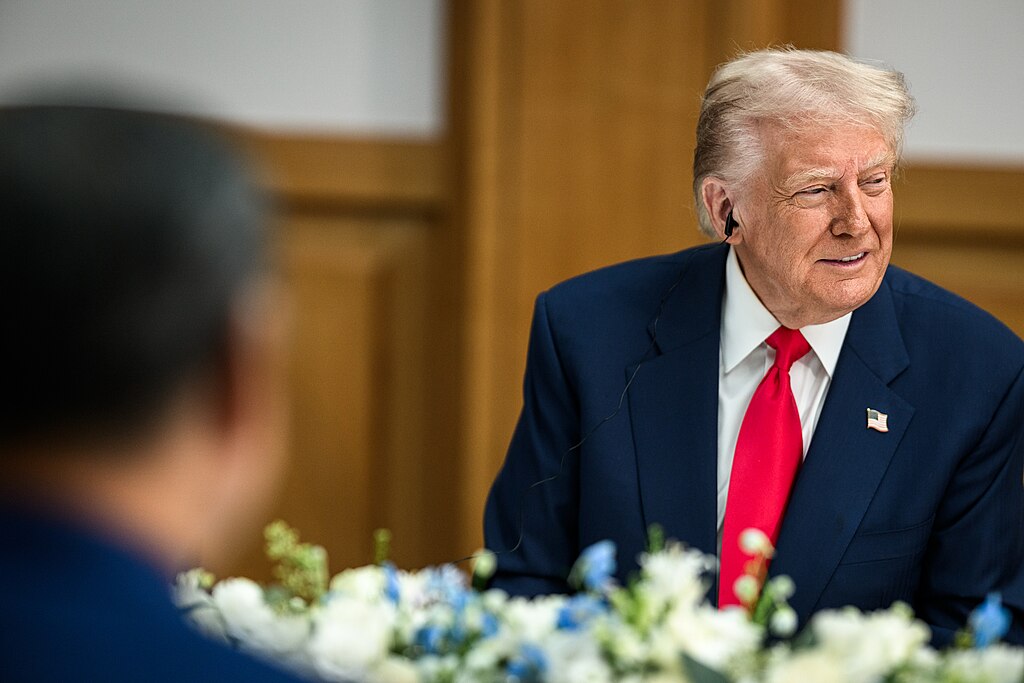
Here are the details before the mainstream media twists the facts.
The Trump administration’s newly expanded travel restrictions officially took effect this week, prompting renewed debate after the State Department confirmed that several visa programs tied to international adoption have been temporarily suspended.
Under a December 16 presidential proclamation signed by Donald Trump, four adoption-related visa categories were paused for countries now covered by the updated travel policy. According to the U.S. State Department, the affected visas include IR-3, IR-4, IH-3, and IH-4 — commonly used in intercountry adoptions.
Countries impacted by the suspension include Nigeria, Haiti, Venezuela, and several others already subject to heightened immigration scrutiny.
Why the Trump Administration Made the Change
Travel restrictions were a defining feature of President Trump’s first term and were formally reinstated in 2025. The administration has consistently argued that limiting entry from high-risk countries is essential to protecting U.S. national security and preventing immigration fraud.
What’s new in this latest update is the removal of automatic exemptions for adoption visas. As of Thursday morning, adoption-specific visas cannot be issued for nationals of affected countries, regardless of whether those nations face a full or partial travel ban.
In addition, several immediate-family immigrant visa categories — including spousal, child, and parent visas — were also suspended under the updated rules.
National Security Takes Priority
While the State Department has historically described intercountry adoption as an important humanitarian effort, Trump administration officials say the overriding priority is now security, vetting standards, and enforcement of immigration law.
In his December proclamation, President Trump emphasized the need for “extreme vigilance” during the visa process, warning that the U.S. must prevent the entry of individuals who could threaten Americans, undermine national institutions, or exploit weak foreign screening systems.
Supporters of the policy argue that adoption programs, like all immigration pathways, must be safeguarded against fraud, document abuse, and insufficient background checks — especially in countries with limited cooperation or unstable governments.
Broader Travel Restrictions Expanded
Earlier this year, President Trump announced new travel limits affecting visitors and immigration applicants from more than a dozen countries, including Afghanistan, Iran, Libya, Somalia, Sudan, Yemen, and Haiti. Additional nations were added later, along with expanded restrictions on certain green-card and immigration benefit applicants beginning in 2026.
Importantly, the administration has clarified that individuals who already hold lawful permanent residency are not affected by the new rules.
Exemptions Still Possible
The State Department has confirmed that exemptions may still be granted on a case-by-case basis when officials determine a visa serves the national interest. Decisions would be made jointly by Secretary of State Marco Rubio and Homeland Security Secretary Kristi Noem.
Political Reaction
Critics on the left have accused the administration of targeting specific regions, while Trump allies counter that the policy is race-neutral and based strictly on security data, cooperation levels, and vetting capabilities — not ideology.
For supporters, the move reflects a broader effort to restore border control, strengthen immigration integrity, and ensure that humanitarian pathways are not exploited at the expense of American safety.