Here’s what happened.
President Donald Trump is facing new questions about his promise to send thousands of dollars to American citizens ahead of the 2026 midterm elections. But when confronted about whether the payments were designed to help Republicans win votes, the president chose to focus on his administration’s economic achievements instead.
The exchange comes as Trump continues promoting a proposed $5,000 dividend for American adults, along with separate payments aimed at helping seniors and families struggling with healthcare expenses.
With Republicans fighting to maintain control of Congress, the president’s financial promises are attracting significant attention in Washington.
While supporters believe Trump’s proposals could provide much-needed relief to hardworking Americans, some Republican lawmakers are raising serious concerns about the cost and the nation’s growing debt.
Trump Avoids Direct Answer About Election Payments
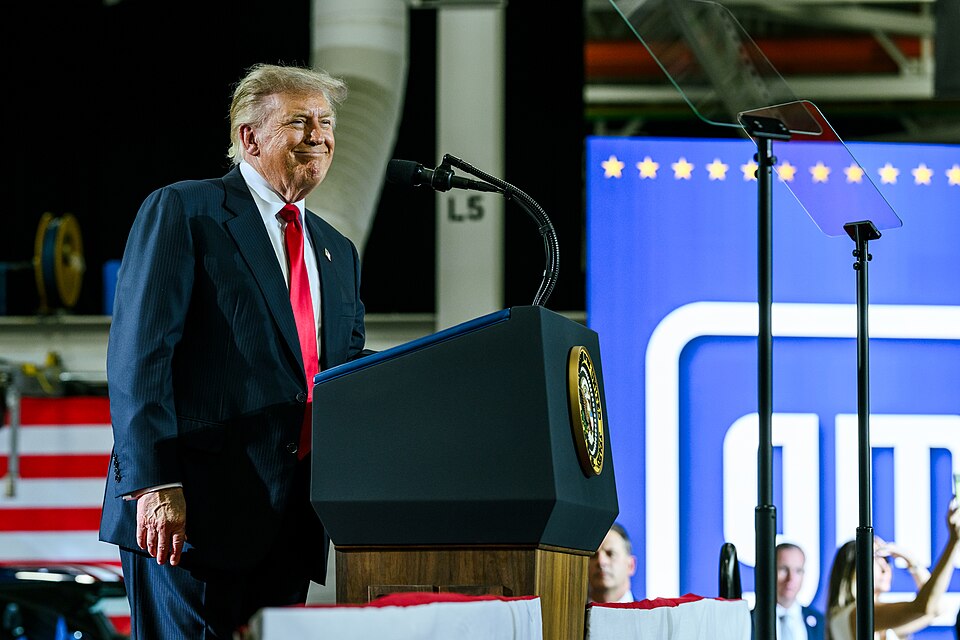
During an Oval Office appearance Wednesday, Trump was questioned about the timing of his administration’s financial assistance programs.
Andrew Feinberg, a reporter for The Independent, asked whether the president was sending money to Americans in hopes of encouraging them to vote for Republican candidates in November.
Trump did not directly address the suggestion.
Instead, he defended his economic policies and praised the growth he believes his administration has helped deliver.
“What we’re doing is we have tremendous growth. We have the greatest growth of any country, maybe ever in history,” Trump said.
The president then pointed to his administration’s tariffs, arguing that Republicans had successfully used international trade policies to strengthen the American economy.
Trump suggested Democrats would have been unable to achieve similar results because they would not have approached tariffs as effectively.
His remarks reflected a familiar theme of his presidency: that American workers and taxpayers should benefit from policies designed to strengthen domestic industries and improve the country’s financial position.
However, the reporter’s underlying question about the political timing of the payments remained unanswered.
Trump’s $5,000 Dividend Promise Takes Center Stage
The biggest financial proposal involves a potential $5,000 payment to every adult American citizen.
Trump announced the plan during a Republican National Committee gathering in Dallas in September, tying its future to Republican victories in the upcoming congressional elections.
Under the proposal, Americans could receive what the president has described as a dividend resulting from his administration’s economic success.
Trump has argued that revenue generated through tariffs and stronger economic performance could help make the payments possible.
For many American households, receiving $5,000 would represent a substantial financial benefit.
Retirees living on Social Security, families dealing with higher grocery prices, and homeowners facing rising insurance and utility bills could potentially use the money to offset everyday expenses.
The promise has understandably generated interest among Americans looking for financial relief.
However, there is an important distinction between a presidential proposal and an approved federal payment.
The $5,000 checks have not been authorized by Congress, and there is currently no guarantee that Americans will receive them.
Despite those uncertainties, Trump has continued expressing confidence that his administration can deliver the money.
Republican Lawmakers Raise Concerns About Spending
Although the dividend proposal could be popular with Americans seeking economic relief, not every Republican supports the idea.
Sen. Rand Paul of Kentucky and Rep. Chip Roy of Texas have questioned whether the federal government can responsibly afford such an expensive program.
Their concerns center on the national debt, which has surpassed $40 trillion.
Sending $5,000 to approximately 270 million adults would cost roughly $1.35 trillion.
That figure has raised questions about whether the government could fund the program without additional borrowing or other financial consequences.
For fiscal conservatives who have spent years calling for reduced federal spending, the size of the proposal presents a difficult challenge.
Supporters of the president’s approach argue that Americans deserve to benefit when government policies generate additional revenue.
Opponents worry that adding another enormous financial commitment could undermine efforts to bring federal spending under control.
The disagreement highlights a broader debate within the Republican Party over how to balance direct financial relief with long-term fiscal responsibility.
White House Says Taxpayers Would Not Fund The Dividends
Trump administration officials have attempted to address concerns about the proposed payments.
Commerce Secretary Howard Lutnick has said the administration does not intend to finance the dividends using ordinary taxpayer dollars.
Instead, officials have pointed toward tariff revenue and other economic gains as possible funding sources.
However, tariff revenue is collected by the federal government from importers, and those costs can be passed along to American businesses and consumers.
Whether tariff collections could generate enough money to cover a nationwide $5,000 dividend remains a major unanswered question.
National Economic Council Director Kevin Hassett has also suggested that Congress could potentially approve the payments through budget reconciliation.
That process allows certain budget-related legislation to advance through the Senate with a simple majority rather than the 60 votes normally required to overcome a filibuster.
For Republicans holding narrow congressional majorities, reconciliation could provide a possible path forward.
Still, the proposal would need sufficient congressional support, and its funding structure would have to satisfy applicable legislative requirements.
More Than 20 Million Medicare Recipients Receiving Relief
Alongside the proposed dividend, the Trump administration has moved forward with a separate financial relief initiative for certain Medicare recipients.
The White House announced a one-time $90 rebate intended to help more than 20 million eligible beneficiaries offset Medicare Part B premiums.
Medicare Part B generally covers physician visits, outpatient services, and other medically necessary care.
The money comes from the Medicare Improvement Fund, which Congress previously established to support improvements to the program.
Many eligible beneficiaries are expected to receive direct deposits around October 8, while others will receive paper checks later in the month.
However, the rebate is not available to everyone enrolled in Medicare.
Certain beneficiaries, including those whose Part B premiums are paid through Medicaid and individuals subject to higher-income premium adjustments, are excluded. Medicare Advantage enrollees also do not qualify under the announced criteria.
For older Americans watching healthcare expenses closely, the payment offers limited but immediate financial assistance.
The administration has presented the initiative as part of its broader effort to put more money directly into Americans’ hands.
Additional $500 Healthcare Refunds Announced
Trump has also directed attention toward another financial relief program involving Affordable Care Act insurance.
The administration announced $500 refunds for nearly one million eligible Americans in approximately 30 states.
According to the White House, the refunds are intended to return money associated with excessive healthcare exchange fees collected under previous policies.
Administration officials argue that the funds should benefit affected consumers rather than remain with the federal government.
The payments are separate from both the proposed $5,000 dividends and the Medicare rebates.
Together, the announcements have placed healthcare affordability and government financial assistance at the center of the national political conversation.
That could prove especially important for older voters, many of whom closely follow Medicare policy, retirement security, and the cost of living.
November Midterms Put Republicans Under Pressure
The timing of Trump’s financial announcements has become a major political issue because the November 3 midterm elections are approaching.
Republicans currently control the House and Senate, but their margins remain narrow.
Democrats are attempting to regain control of Congress, which could substantially complicate Trump’s legislative agenda during the remainder of his presidency.
Recent election forecasts have suggested that Democrats have a realistic opportunity to win congressional majorities.
That makes the upcoming election especially important for the president.
If Republicans maintain control, Trump could have a stronger opportunity to pursue his proposed dividend program and other major economic priorities.
If Democrats gain control of either chamber, the administration could face additional resistance to its spending proposals and legislative initiatives.
The stakes extend beyond the proposed payments.
Major questions involving taxes, border security, government spending, Medicare, and economic policy will also be influenced by the election results.
Are Trump’s Financial Promises Helping Republicans?
The administration’s announcements have created competing political interpretations.
Supporters argue that Trump is attempting to return money to Americans at a time when household budgets remain under pressure.
They believe the president’s emphasis on economic growth, tariffs, and financial relief could resonate with voters concerned about affordability.
Critics, meanwhile, have questioned whether announcing substantial payments shortly before a national election creates the appearance of political motivation.
The disagreement became particularly visible when Trump was asked whether the payments were intended to encourage Republican votes.
Rather than discussing their possible electoral impact, the president returned to his argument that his administration’s economic policies have produced exceptional results.
There is no established evidence from that exchange alone that the payments were unlawfully designed to influence voters.
Nevertheless, questions about their timing, cost, and legislative feasibility remain legitimate subjects of public debate.
What Happens Next For American Taxpayers?
For Americans hoping to receive a $5,000 dividend, the most important issue is whether the proposal can move beyond a campaign promise.
Congress has not approved the payments, and the administration has not established a finalized funding plan that guarantees their distribution.
Meanwhile, the smaller Medicare rebates and announced healthcare refunds represent separate initiatives already moving forward.
As election season continues, Americans will be watching closely to see whether the president offers additional details about his dividend proposal.
The debate also raises an important question about Washington’s spending priorities.
Should the federal government return additional revenue directly to American households, or should those resources be used to reduce the national debt?
For many conservative voters, both goals carry considerable importance.
Trump has made clear that he believes his economic policies can deliver financial benefits to ordinary citizens. Republican lawmakers must now determine whether those promises can be fulfilled while maintaining fiscal discipline.
With control of Congress at stake, the president’s proposed $5,000 checks could become one of the most closely watched economic issues of the 2026 midterm elections.
But until Congress approves the necessary legislation, Americans will have to distinguish between payments already authorized and financial promises that remain uncertain.