About time!
CNN anchor Wolf Blitzer has corrected a significant claim about President Donald Trump’s mail-in voting policies after suggesting that new restrictions could interfere with the ability of U.S. military personnel overseas to cast their ballots.
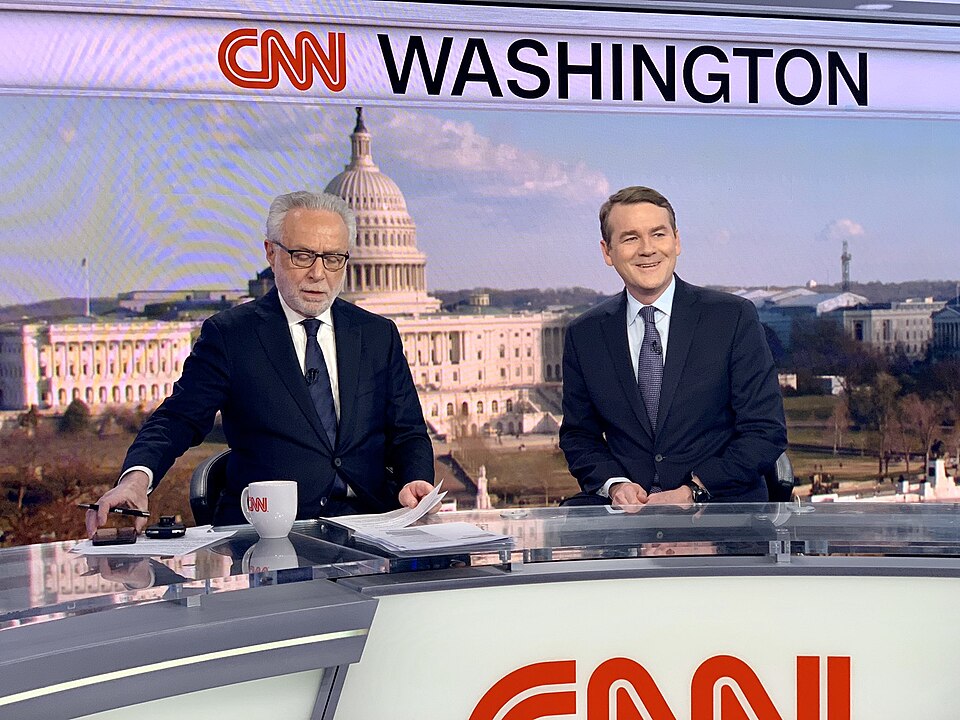
Blitzer addressed the mistake Monday on The Situation Room, offering viewers what he called a “note of clarification” about comments he made days earlier while interviewing Virginia Gov. Abigail Spanberger.
The correction centered on an important detail: military and overseas voters are exempt from the Postal Service rules Blitzer had been discussing.
That distinction became especially significant as the national battle over mail-in voting continues ahead of the midterm elections.
Wolf Blitzer Corrects His Trump Mail-In Voting Claim
The controversy began during Blitzer’s interview with Spanberger, who criticized the Trump administration’s efforts to impose new requirements involving mail-in ballots.
Spanberger argued that the president was targeting what she considers a legitimate and secure voting option used by Americans across Virginia and the rest of the country.
Blitzer then brought military voters into the discussion.
Blitzer noted that Virginia is home to many military service members who depend heavily on mail-in ballots to participate in elections.
There was one major problem with that suggestion.
The Postal Service rules being discussed do not apply in the same way to ballots covered by federal protections for military and overseas voters.
Blitzer returned to the subject Monday and corrected the record.
“We discussed legal challenges to the Trump administration’s directives to the Postal Service on mail-in voting,” Blitzer told viewers.
The longtime CNN anchor acknowledged that his earlier statement had suggested ballots belonging to U.S. military personnel and overseas voters would be affected.
Blitzer then clarified that those ballots are exempt from the new Postal Service requirements associated with Trump’s March executive order.
Federal Law Protects Military And Overseas Voters
Military personnel and eligible Americans living overseas receive special absentee-voting protections under federal law.
The Uniformed and Overseas Citizens Absentee Voting Act, commonly known as UOCAVA, establishes voting protections for eligible members of the armed forces, their families and U.S. citizens living outside the country.
Those protections are particularly important for service members stationed thousands of miles from their home states who cannot simply visit their local polling place on Election Day.
Blitzer specifically referenced those federal protections when explaining why his earlier characterization needed to be corrected.
The clarification changes an important part of the original discussion because viewers could have been left with the impression that Trump’s directives threatened the ability of deployed American troops to vote by mail.
That was not an accurate description of the rules at issue.
Spanberger Agreed With Blitzer During Original Interview
Blitzer was not the only person involved in the exchange.
Spanberger did not challenge his statement about military voters during the original interview. Instead, she agreed before expanding on her concerns about the potential consequences of restrictions on mail voting.
The Virginia governor argued that voting by mail can be particularly important for people with disabilities, Americans who have difficulty leaving their homes and citizens serving the country overseas.
Her broader criticism of the Trump administration’s policies remains part of an ongoing political and legal debate.
However, Blitzer’s correction established a key factual distinction concerning military and overseas ballots.
Those voters are protected separately under federal law and are exempt from the particular Postal Service rules at the center of his clarification.
Trump’s Mail-In Voting Battle Continues
The episode comes as Trump continues pushing for major changes to the way mail-in voting operates in the United States.
Trump and his allies have argued for years that election laws should include stronger safeguards designed to protect ballot integrity and increase public confidence in election results.
Opponents argue that tougher mail-ballot requirements could make voting more difficult for eligible Americans who cannot easily vote in person.
Those competing arguments have fueled court challenges and political battles over how much authority the federal government has to influence election procedures traditionally administered by the states.
The issue has become particularly important ahead of the midterm elections, when millions of Americans are expected to cast ballots through early, absentee or mail-in voting systems.
CNN Correction Draws Attention
Blitzer’s clarification is noteworthy because the original statement involved members of the U.S. military — a group whose ability to participate in elections while serving overseas has long received special protection under federal law.
It also illustrates how complicated the rapidly changing legal battle surrounding mail-in voting has become.
Court rulings, federal directives, state election laws and Postal Service requirements can overlap, making precise reporting especially important.
In this case, CNN’s veteran anchor ultimately returned to the air and made the distinction clear.
Whatever Americans think about Trump’s broader campaign to change mail-in voting rules, one point is no longer in dispute following Blitzer’s correction: the military and overseas ballots discussed during the original CNN exchange are exempt from the Postal Service rules at issue.
For viewers who heard the original claim, CNN has now corrected the record.